
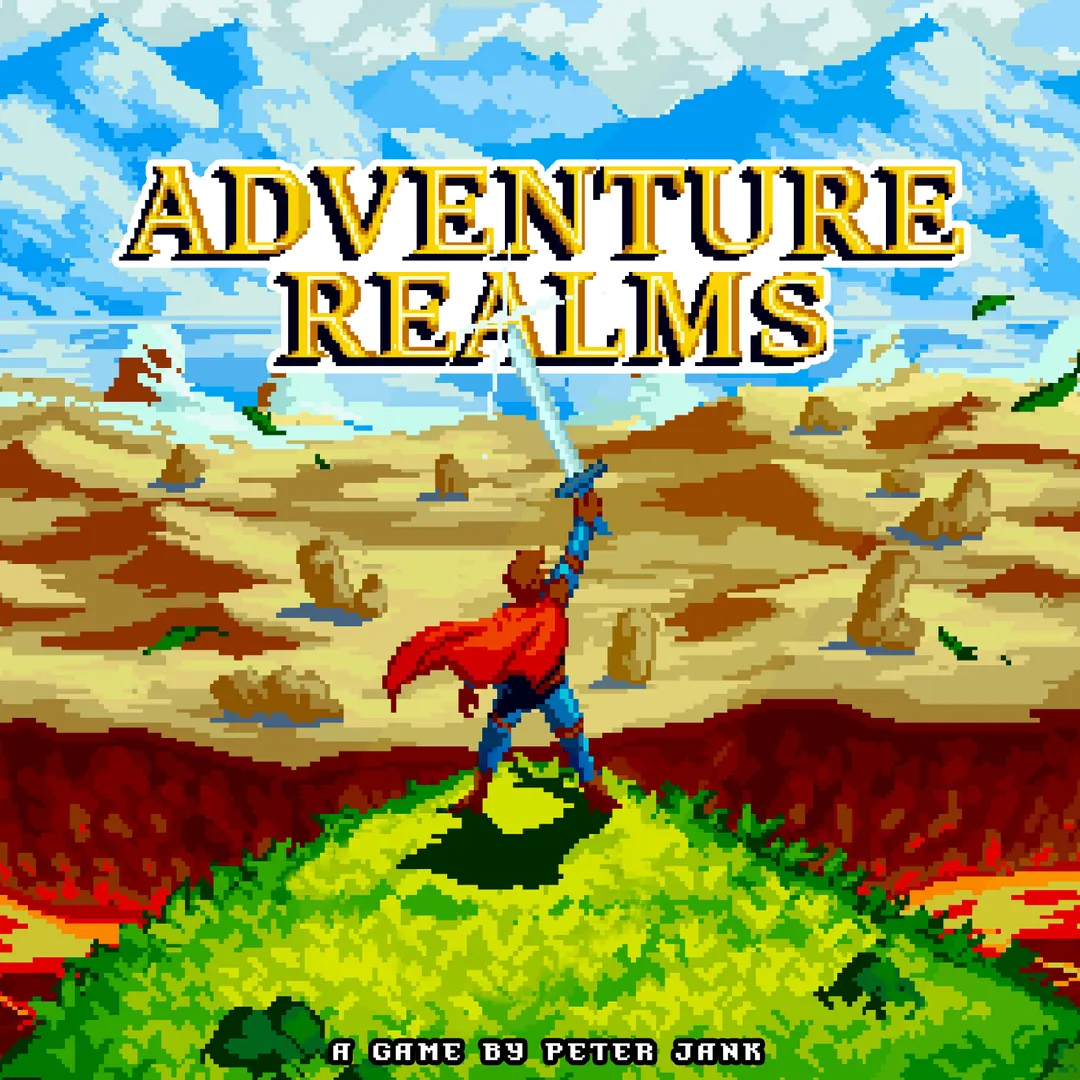
- Puesto en BGG
- BGG #8036
- Puntuación BGG
- 7,6
Adventure Realms
- 2–4 jugadores
- 40–90 min
- Complejidad 2,9/5
- 2021

Ayuda con las reglas de Quest for the Lost Pixel: Risk and Reward
Explicaciones claras de turnos, efectos de cartas y situaciones dudosas, con referencias a fuentes oficiales e historial de preguntas guardado.
¿Qué quieres saber?
Las respuestas salen del reglamento oficial, con la página para comprobarlo.
Quest for the Lost Pixel: Risk and Reward es una expansión de Quest for the Lost Pixel publicada en 2016 para 1–4 jugadores, con partidas de 120 minutos y a partir de 12 años. Fue diseñado por Peter Jank y sus mecánicas principales son Hand Management y Dice Rolling.




En inglés
In Risk and Reward, you are given brand new choices to push your luck for great rewards. Everything in this expansion leaves you with difficult choices. Plus this expansion offers a reinforcement set of monsters, treasures, spells, events and more. Lastly, it has a few treasure fixes that replace old cards. Risk and Rewards offers new Dungeon Areas for your heroes to explore. But why risk the time into exploring these new areas? BRAND NEW SET TREASURES. These get better the more of the same set that you have. Unfortunately, each new area can be very dangerous as well. Also, you will receive PETS that will give you a permanent buff until you decide on discarding your pet for their one time great ability. Lastly, there are 5 new heroes to choose from. NEW HEROES: Blood Mage, Psionic, Spell Blade, Time Bender, and the Duelist. Lastly, almost all decks receives tons of new cards from monsters and events to treasures and artifacts. Plus so much more. —description from the publisher
Según el catálogo, Quest for the Lost Pixel: Risk and Reward admite de 1 a 4 jugadores. Este intervalo corresponde al número de jugadores indicado por la editorial, así que el juego puede prepararse para cualquier grupo dentro de ese margen. La preparación, algunas reglas y la puntuación pueden variar según el número de jugadores; consulta la configuración exacta en el reglamento de tu edición.
La duración indicada para Quest for the Lost Pixel: Risk and Reward es de 120 minutos, la estimación de la editorial para una partida completa. El tiempo real depende del grupo, del número de jugadores y del conocimiento de las reglas: las primeras partidas suelen alargarse y los grupos con experiencia terminan antes. La preparación y la explicación de las reglas no están incluidas.
El catálogo indica Quest for the Lost Pixel: Risk and Reward a partir de 12 años. Es la recomendación de la editorial y refleja la lectura necesaria, la complejidad de las reglas y las piezas pequeñas, no solo el tema. Los más pequeños a menudo pueden jugar con ayuda de un adulto: comprueba la edad recomendada en tu edición y la experiencia de tu grupo.
Quest for the Lost Pixel: Risk and Reward pertenece a estas categorías: Card Game, Fantasy y Expansion for Base-game. Sus mecánicas principales son Hand Management y Dice Rolling. Las categorías describen el tema y la ambientación de un juego, mientras que las mecánicas describen lo que los jugadores hacen realmente en su turno. Cada mecánica lleva a una página del catálogo con juegos similares.
Los autores acreditados de Quest for the Lost Pixel: Risk and Reward son: Peter Jank. Estos créditos proceden de los datos publicados del juego y nombran a las personas responsables de su diseño, no a ilustradores ni editoriales. Las páginas de autor de MeepleRules reúnen otros títulos de los mismos autores, algo útil cuando un juego te gusta y buscas otros parecidos.
El catálogo clasifica Quest for the Lost Pixel: Risk and Reward como expansión de Quest for the Lost Pixel. Las expansiones añaden contenido, reglas o escenarios al juego base y normalmente no se pueden jugar solas, así que necesitas Quest for the Lost Pixel para usarla. Comprueba que tu edición de Quest for the Lost Pixel sea compatible, porque algunas expansiones se revisaron entre ediciones.