
- Puesto en BGG
- BGG #3170
- Puntuación BGG
- 6,7
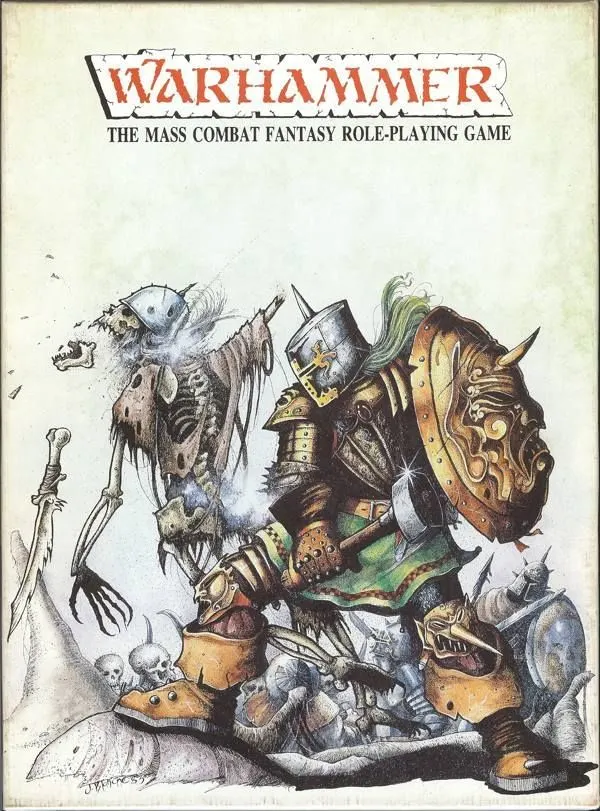
Warhammer: The Mass Combat Fantasy Roleplaying Game (1st Edition)
- 2–4 jugadores
- 240 min
- Complejidad 3,7/5
- 1983
Ayuda con las reglas de Realm of Chaos: The Lost and the Damned
Explicaciones claras de turnos, efectos de cartas y situaciones dudosas, con referencias a fuentes oficiales e historial de preguntas guardado.
¿Qué quieres saber?
Las respuestas salen del reglamento oficial, con la página para comprobarlo.
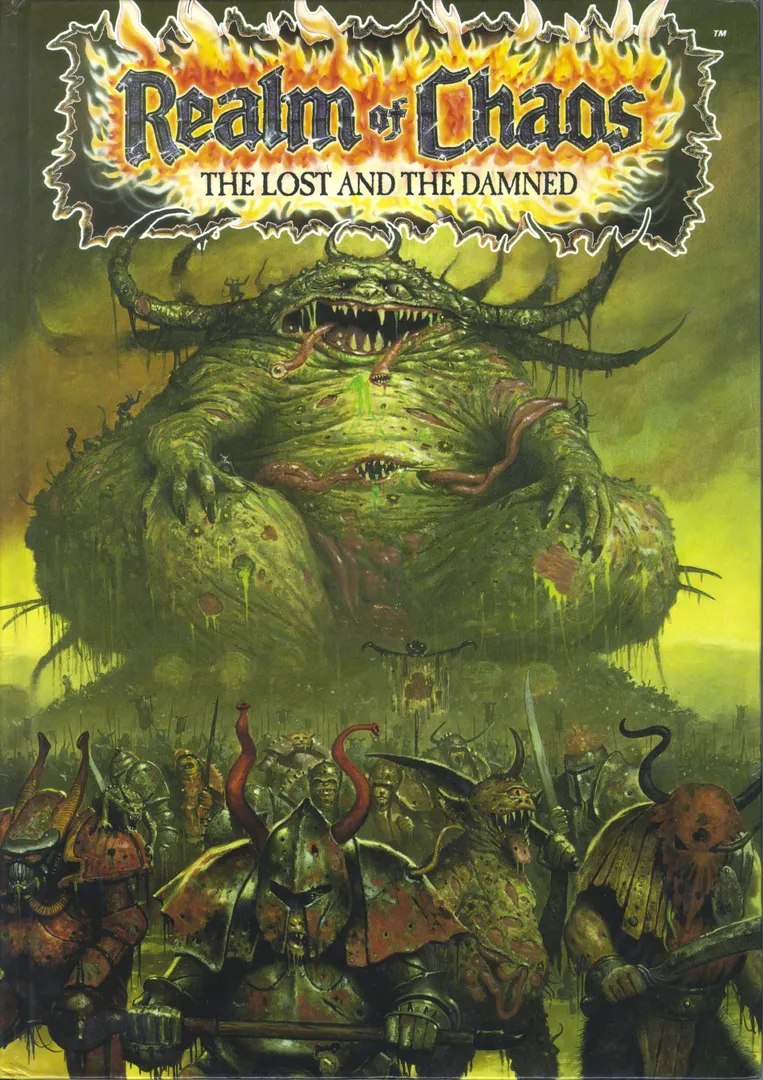
Realm of Chaos: The Lost and the Damned es una expansión de Warhammer 40,000: Rogue Trader publicada en 1990. Fue diseñado por Rick Priestley y Bryan Ansell.

En inglés
From the Book's Introduction: The Lost and the Damned and its companion volume Slaves to Darkness describe the fantastic and otherwordly Realm of Chaos. This book is concerned with the two great Chaos Powers Tzeentch and Nurgle, their Daemons, and their mortal Champions. The other two major Chaos Powers, Khorne and Slaanesh, have already been described in Slaves to Darkness, volume one of Realm of Chaos. Warhammer Fantasy Battle players can use this book to create their own Champions of Chaos - mortal heroes whose mighty deeds have won them the deserving patronage of the Chaos Powers. As a Champion of Chaos, your hero will earn special rewards from his patron, including super-human abilities, magical gifts, and daemonic followers. In return for his Patron's favour, your Champion must undertake to fight rival Champions and further the divine aims of his Chaos Power in the mortal world. Warhammer Fantasy Battle players can also use this book to create Daemonic Armies of the Chaos Powers Nurgle and Tzeentch. Daemonic Armies are so tremendously powerful and highly magical that they are only suitable for fighting each other. This they do more or less continuously as their masters pitch them against each other to test their relative strengths. Champions of Chaos who have grown sufficiently powerful may be summoned to the daemonic battlefield to fight on behalf of their patron. Warhammer 40,000 players can also create their own Champions to fight each other or any of the other forces of the Imperium. Players can also use this book to design armies of Chaos Renegades and Traitor Marines which confront the Imperium for control of the galaxy. Warhammer Fantasy Roleplay players can use this book either to create an unusual character type in the Chaos Champion, or to generate endless adversaries for more conventional characters. The narrative generators can also be used as the basis for adventures against or on behalf of the Chaos Powers, and also provide many ideas which you can develop into game plots yourself. User Summary: The second part of Realm of Chaos detailing the gods of chaos in Games Workshop's various universes. Weighed in at 300 pages. Originally written for Warhammer Fantasy Roleplay, Games Workshop had lost some of the IP rights to that world and so promptly quit officially supporting it. Officially listed as only a supplement for Warhammer Fantasy Battles and Warhammer 40,000, the background material was only useful for Warhammer Fantasy Roleplay. Also, there were Warhammer Fantasy Roleplay stats provided for all the creature included herein. Focused on the gods Nurgle and Tzeentch, The Lost and the Damned included extensive rules on "narrative campaigns". However, the one bad thing about this book was the binding was exceedingly brittle, and the pages very easily separated from it with just minimal use of the book. Plus, unlike Slaves to Darkness, it was never reprinted.
Realm of Chaos: The Lost and the Damned tiene una puntuación de complejidad de 4,0 sobre 5 según los jugadores de BoardGameGeek, lo que lo convierte en un juego exigente. La puntuación refleja cuánto conocimiento de reglas, planificación y toma de decisiones exige una partida típica. Los juegos exigentes requieren una explicación inicial más larga, así que conviene usar una guía de preparación.
Realm of Chaos: The Lost and the Damned pertenece a estas categorías: Fantasy, Miniatures y Science Fiction. Las categorías describen el tema, la ambientación y el estilo de un juego, no sus reglas. Filtra el catálogo por la misma categoría para encontrar juegos similares si te gustó Realm of Chaos: The Lost and the Damned y buscas algo parecido para tu próxima noche de juegos.
Los autores acreditados de Realm of Chaos: The Lost and the Damned son: Rick Priestley y Bryan Ansell. Estos créditos proceden de los datos publicados del juego y nombran a las personas responsables de su diseño, no a ilustradores ni editoriales. Las páginas de autor de MeepleRules reúnen otros títulos de los mismos autores, algo útil cuando un juego te gusta y buscas otros parecidos.
El catálogo clasifica Realm of Chaos: The Lost and the Damned como expansión de Warhammer 40,000: Rogue Trader. Las expansiones añaden contenido, reglas o escenarios al juego base y normalmente no se pueden jugar solas, así que necesitas Warhammer 40,000: Rogue Trader para usarla. Comprueba que tu edición de Warhammer 40,000: Rogue Trader sea compatible, porque algunas expansiones se revisaron entre ediciones.