
- Puntuación BGG
- 6,9
Saboteur 2 (expansion-only editions)
- 2–12 jugadores
- 45 min
- Complejidad 1,5/5
- 2011
2004
Ayuda con las reglas de Saboteur
Explicaciones claras de turnos, efectos de cartas y situaciones dudosas, con referencias a fuentes oficiales e historial de preguntas guardado.
Para 3 jugadores
¿Qué quieres saber?
Las respuestas salen del reglamento oficial, con la página para comprobarlo.
Saboteur es un juego de mesa publicado en 2004 para 3–10 jugadores, con partidas de 30 minutos y a partir de 8 años. Fue diseñado por Fréderic Moyersoen y sus mecánicas principales son Hand Management, Take That y Network and Route Building.

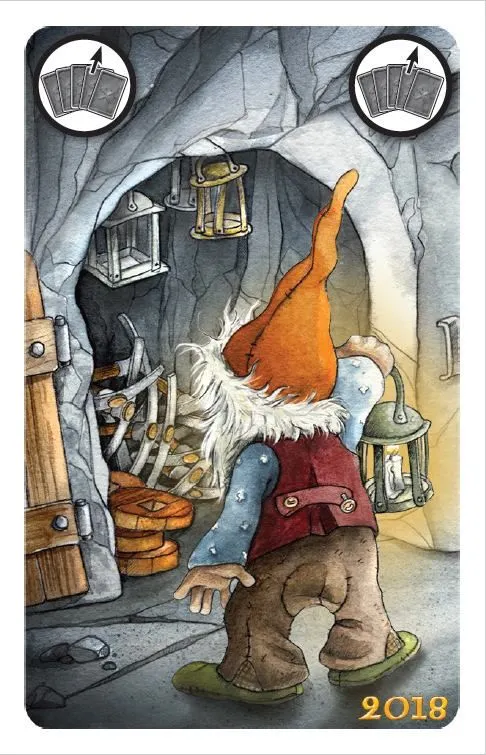
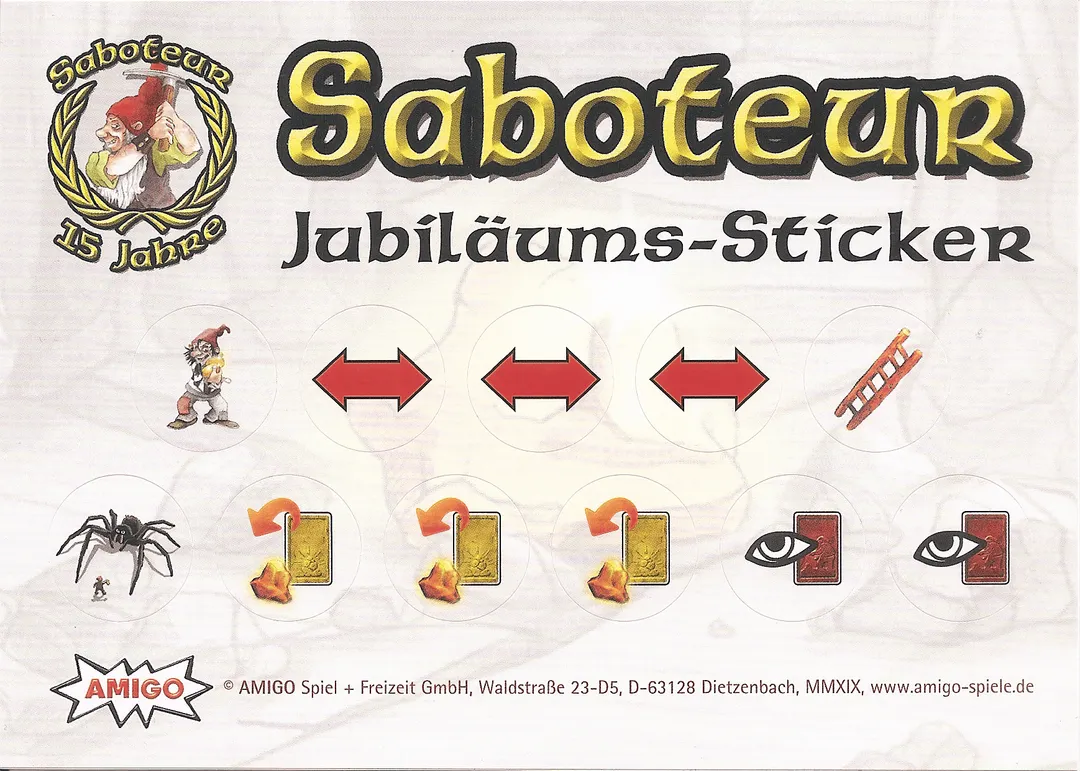
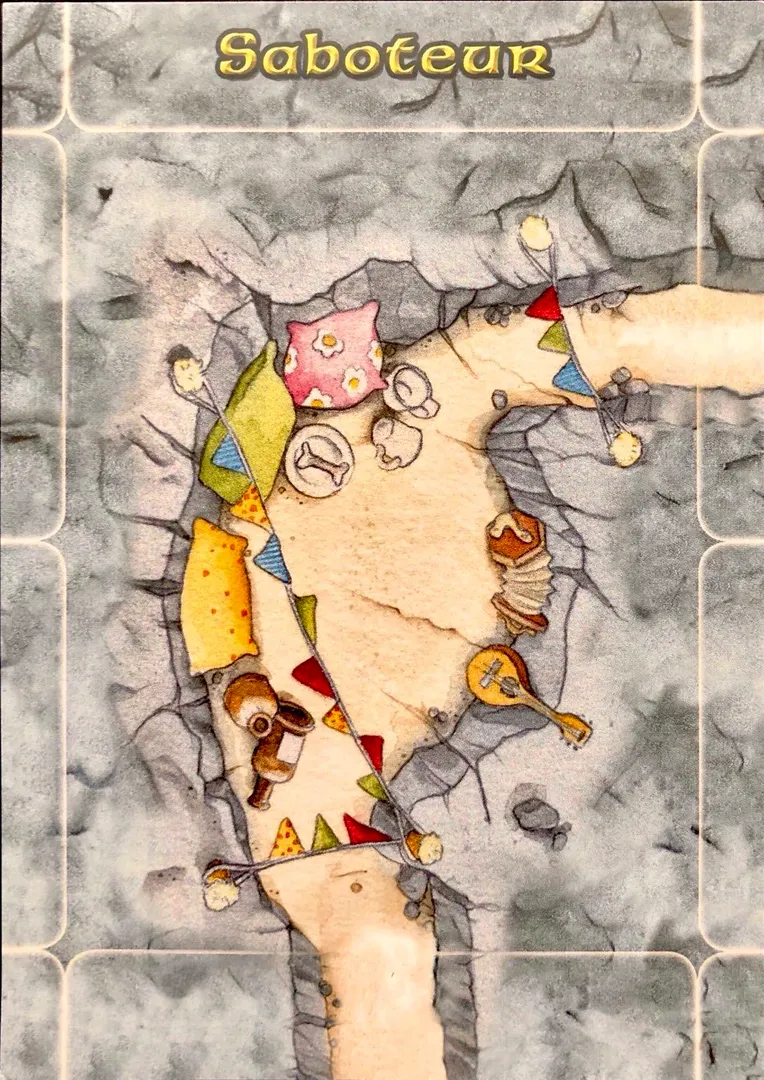
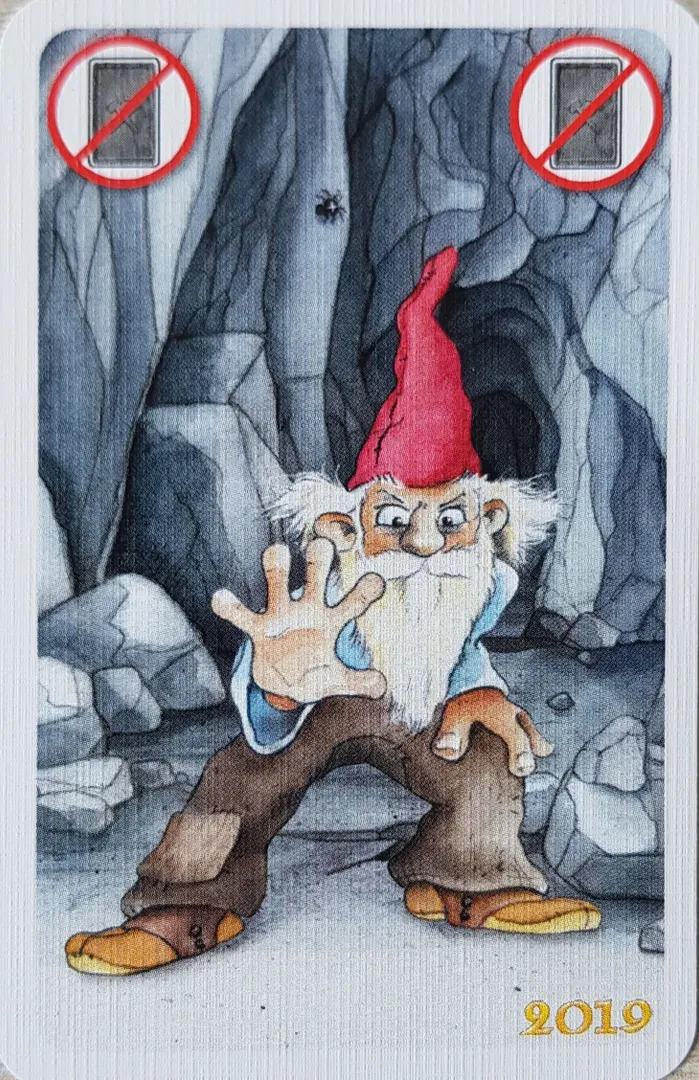
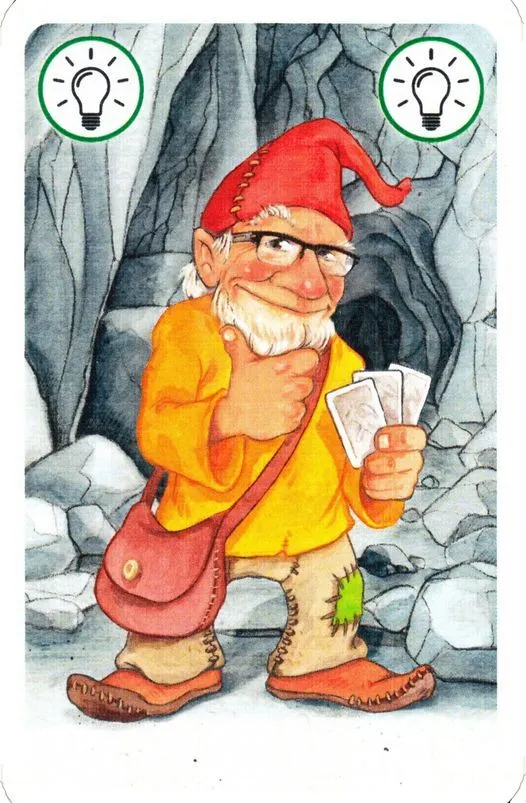
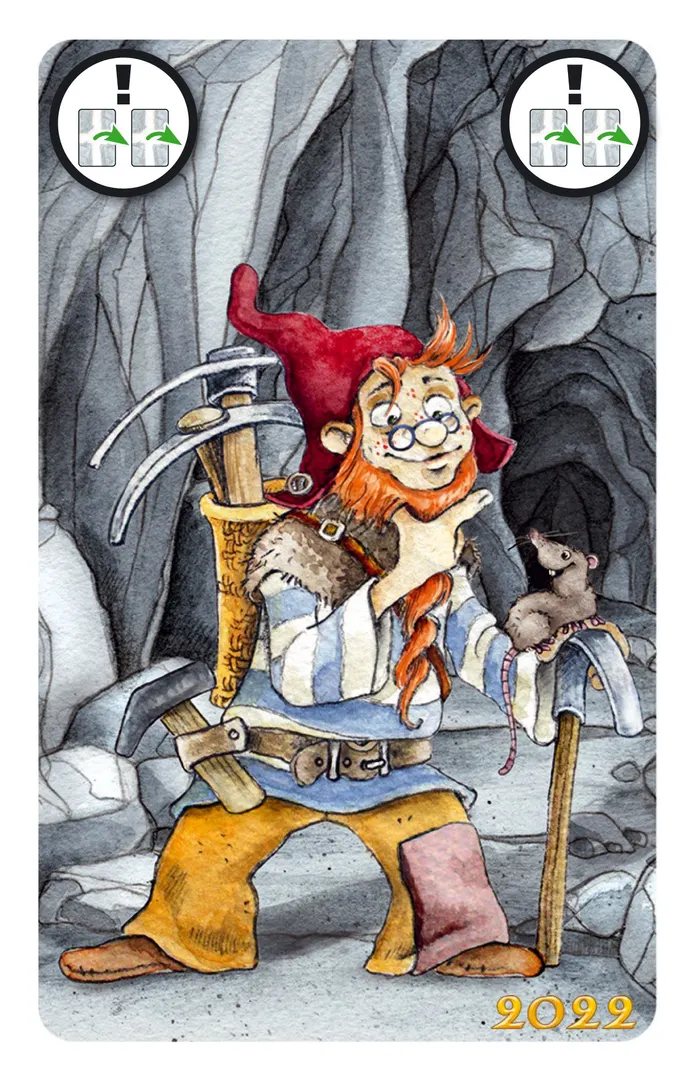
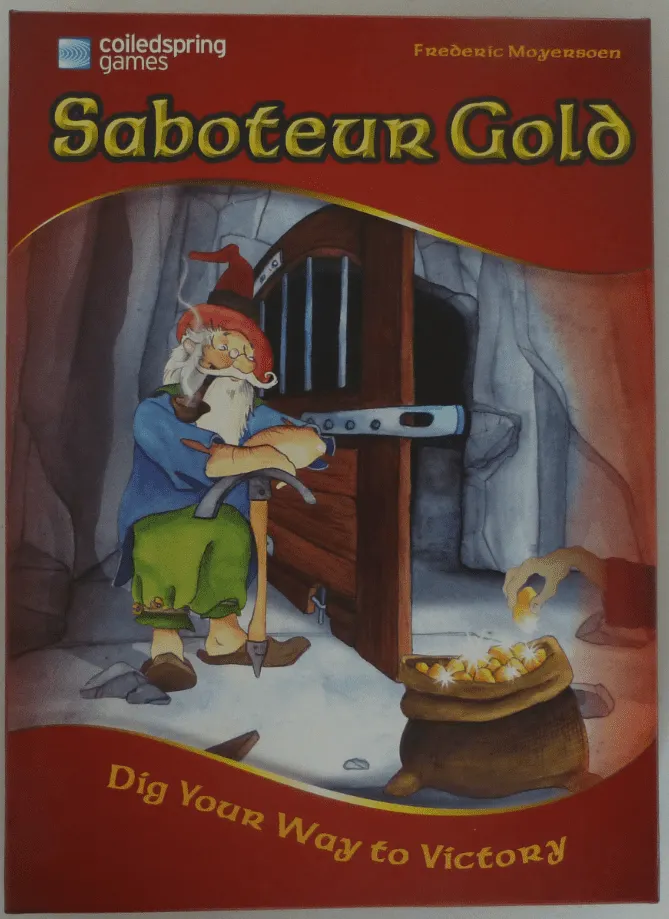
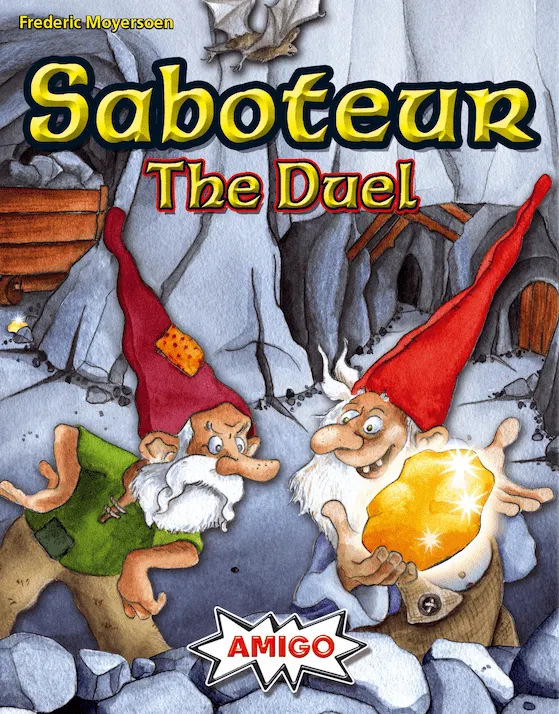



En inglés
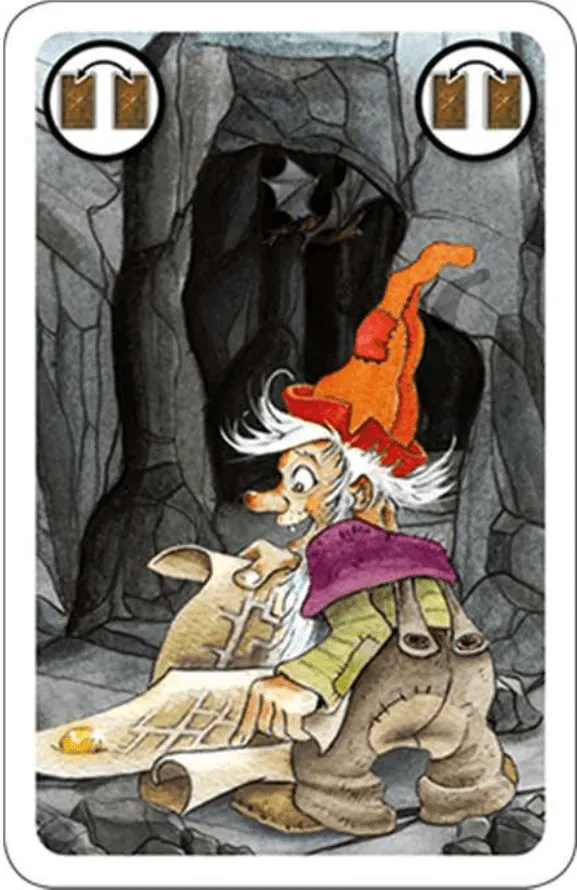
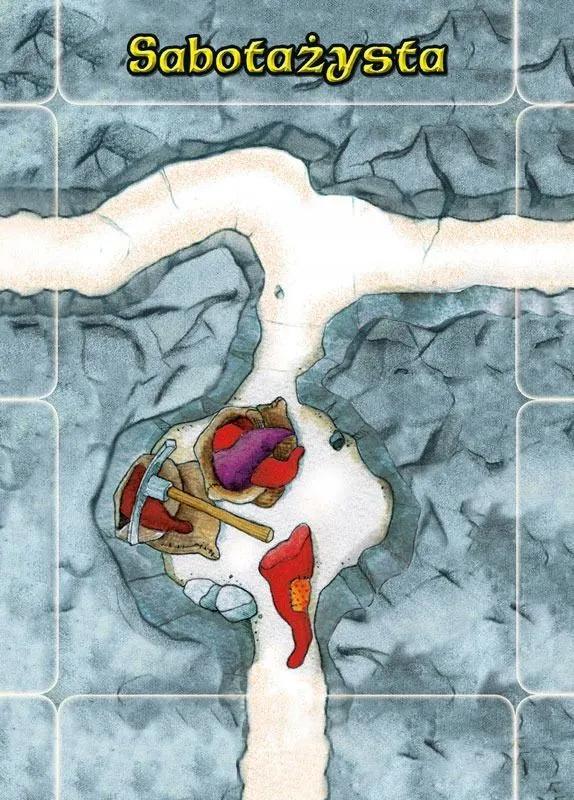
Players take on the role of dwarves. As miners, they are in a mine, hunting for gold. Suddenly, a pick axe swings down and shatters the mine lamp. The saboteur has struck. But which of the players are saboteurs? Will you find the gold, or will the fiendish actions of the saboteurs lead them to it first? After three rounds, the player with the most gold is the winner. With the help of Dwarf Cards, the players are assigned their role: either miner or saboteur. The roles are kept secret- they are only revealed at the end of the round. The Start Card and the three Goal Cards are placed onto the table, each seven cards away from the start and one card between each Goal Card. The Goal Cards are placed face-down. The gold is on one of the Goal Cards, but nobody knows which. Players have cards in hand. On a player's turn, he must do one of three things: place a Path Card into the mine, play an Action Card in front of a player, or pass. The Path Cards form paths leading to the Goal Cards. Path Cards must be played next to a already-played Path Card. All paths on the Path Card must match those on the already-played cards, and Path Cards may not be played sideways. The miners are trying to build an uninterrupted path from the Start Card to a Goal Card, while the saboteurs are trying to prevent this. They shouldn't try and be too obvious about it, however, lest they be immediately discovered. Action Cards can be placed in front of any player, including oneself. Action Cards let the players help or hinder one another, as well as obtain information about the Goal Cards. Once a player places a Path Card that reaches the gold, the round is over. The miners have won and receive cards with gold pieces as their reward. The round is also over if the gold could not be reached. In that case, the saboteurs have won and receive the gold pieces. Once the Gold Cards have been distributed, the next round begins. The game is over at the end of the third round, with the player with the most gold pieces being the winner.
Según el catálogo, Saboteur admite de 3 a 10 jugadores. Este intervalo corresponde al número de jugadores indicado por la editorial, así que el juego puede prepararse para cualquier grupo dentro de ese margen. La preparación, algunas reglas y la puntuación pueden variar según el número de jugadores; consulta la configuración exacta en el reglamento de tu edición.
La duración indicada para Saboteur es de 30 minutos, la estimación de la editorial para una partida completa. El tiempo real depende del grupo, del número de jugadores y del conocimiento de las reglas: las primeras partidas suelen alargarse y los grupos con experiencia terminan antes. La preparación y la explicación de las reglas no están incluidas.
El catálogo indica Saboteur a partir de 8 años. Es la recomendación de la editorial y refleja la lectura necesaria, la complejidad de las reglas y las piezas pequeñas, no solo el tema. Los más pequeños a menudo pueden jugar con ayuda de un adulto: comprueba la edad recomendada en tu edición y la experiencia de tu grupo.
Saboteur tiene una puntuación de complejidad de 1,3 sobre 5 según los jugadores de BoardGameGeek, lo que lo convierte en un juego ligero. La puntuación refleja cuánto conocimiento de reglas, planificación y toma de decisiones exige una partida típica. Los juegos exigentes requieren una explicación inicial más larga, así que conviene usar una guía de preparación.
Saboteur pertenece a estas categorías: Card Game, Fantasy y Party Game. Sus mecánicas principales son Hand Management, Take That y Network and Route Building. Las categorías describen el tema y la ambientación de un juego, mientras que las mecánicas describen lo que los jugadores hacen realmente en su turno. Cada mecánica lleva a una página del catálogo con juegos similares.
Los autores acreditados de Saboteur son: Fréderic Moyersoen. Estos créditos proceden de los datos publicados del juego y nombran a las personas responsables de su diseño, no a ilustradores ni editoriales. Las páginas de autor de MeepleRules reúnen otros títulos de los mismos autores, algo útil cuando un juego te gusta y buscas otros parecidos.
El catálogo clasifica Saboteur como juego base. Se juega por sí solo con los componentes de la caja y no requiere ningún otro título. Las expansiones, si existen, añaden contenido o reglas nuevas y aparecen por separado en el catálogo con un enlace a este juego base.