
- Puntuación BGG
- 6,8
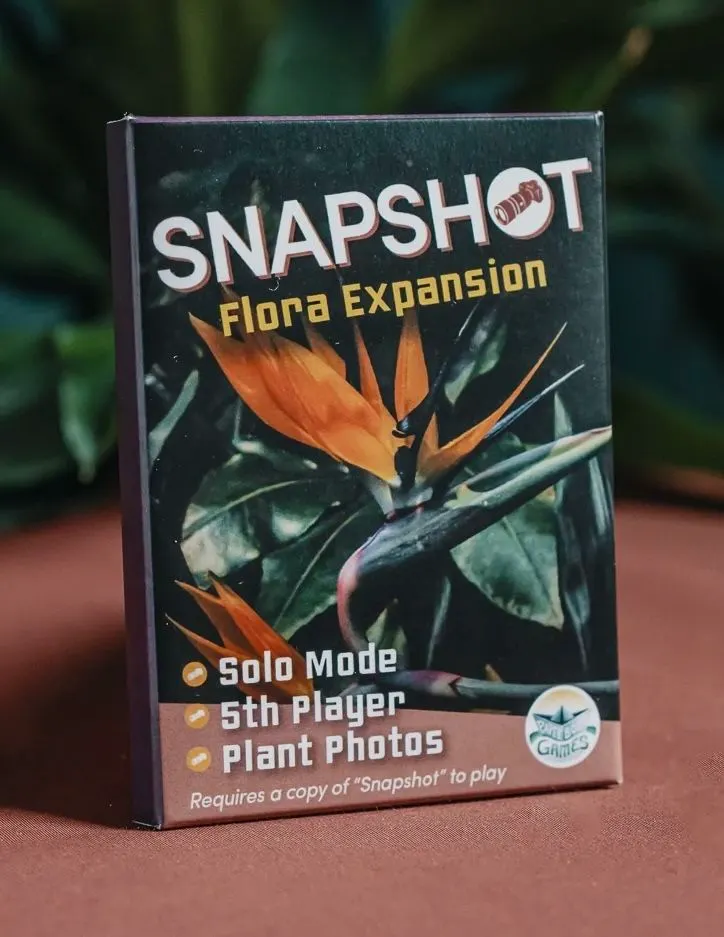
Snapshot: Flora Expansion
- 1–5 jugadores
- 15–45 min
- Complejidad 2,0/5
- 2021
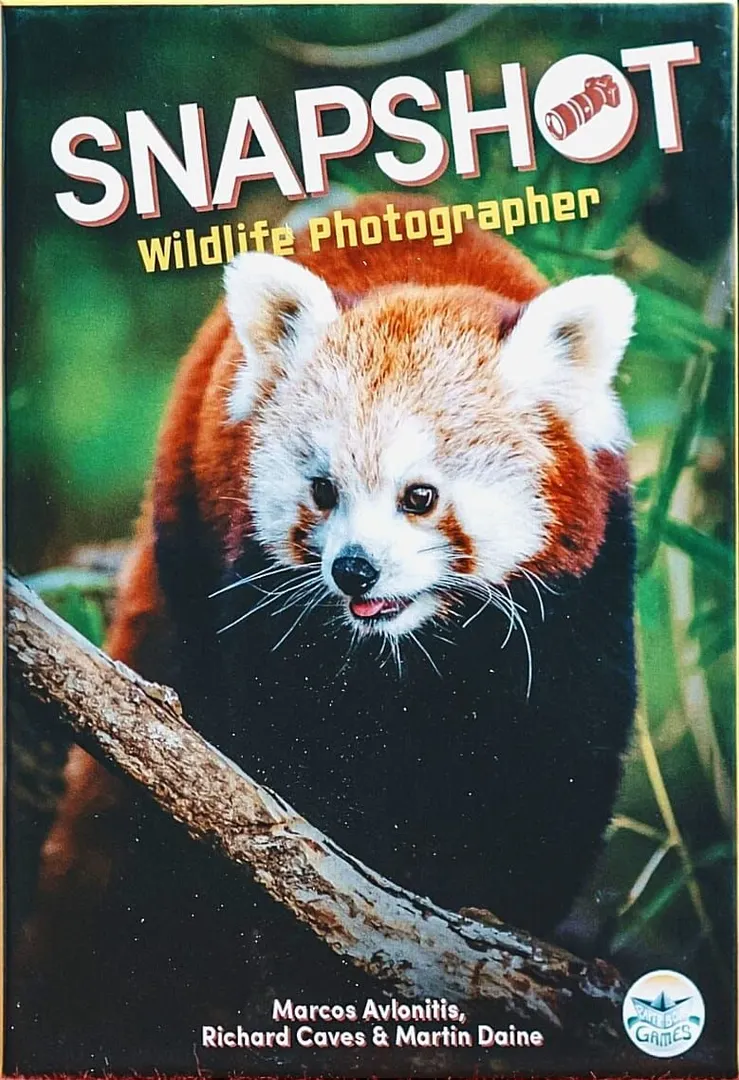
2021
Ayuda con las reglas de Snapshot: Wildlife Photographer
Explicaciones claras de turnos, efectos de cartas y situaciones dudosas, con referencias a fuentes oficiales e historial de preguntas guardado.
Para 2 jugadores
¿Qué quieres saber?
Las respuestas salen del reglamento oficial, con la página para comprobarlo.
Snapshot: Wildlife Photographer es un juego de mesa publicado en 2021 para 2–4 jugadores, con partidas de 15 a 45 minutos y a partir de 14 años. Fue diseñado por Martin Daine, Marcos Avlonitis y Richard Caves y sus mecánicas principales son Hand Management, Set Collection y Push Your Luck.





En inglés
Snapshot: a wildlife photography board game Explore habitats and photograph animals in this beautiful, tactical dice management game of wildlife photography! So you want to be a wildlife photographer? Travel to exotic locations and brave difficult terrain to take that perfect shot; win prestigious awards, and complete secret assignments for Snapshot Magazine to become Wildlife Photographer of the Year. Crammed with beautiful wildlife photography, Snapshot is easy to learn but filled with exciting tactical decisions and difficult choices. Gameplay Snapshot combines dice-management with set collection and a touch of push-your-luck. Each turn, players attempt to find and then photograph the most prestigious animals by following these 3 stages: Stage 1: Research So, you thought you could just rock up with your camera and take a photo, eh? Well, first you need to do your homework! Turn over new animal cards to increase your options and gain tracking tokens to boost your rolls... but be careful - if you draw too many cards, the animals will get spooked, ending your turn. To avoid spooking animals, you can reserve animal cards and roll for them later. However, you have a hand limit of two reserved cards at a time so be careful not to clog up your hand with animals you don't want. Other players can also reserve animals on your turn so they will be keeping their eyes peeled for the animals they need! Stage 2: Prepare Now that you know which animals are available this turn, you must choose your destinations and subjects, represented by placing dice on the animals you plan to photograph and their habitats. The rarer the animals, and the more difficult its habitat, the higher the prestige for photographing it. You can photograph as many animals in as many habitats as you have dice for... Be careful, though – go for too many difficult animals and you could end up with none, so allocate your dice wisely. You only have six dice to roll so you’ll need to decide how best to allocate them; do you go cautious and allocate them all to one animal or spread them out and roll for more? You’re in control of the odds so, do you feel lucky? Don’t forget that you also need to use dice to explore the habitat. You only need to roll for each habitat once, so going for more than one animal in the same location can be a great tactic. You can also spend tracking tokens to increase your chances: do you use them now or save them for that crucial roll later on? Stage 3: Photograph At last! It's time to get out into nature, click the shutter and hope for the best... First, roll the dice on each habitat to explore it. (Tokens can be used to re-roll habitat dice.) If you fail, your chosen animals are spooked and run away! Then, if you explored the habitat successfully, you may roll to photograph your chosen animals! If you manage to photograph 3 animals from the same habitat, or one from each habitat, you can collect the corresponding photography award. The earlier you get them, the more they are worth! If you failed to get any photographs, don't worry - you learn from the experience and gain 3 tracking tokens to improve your chances next turn… Game End The game ends when one player has taken a set amount of photographs and everyone then gets to tally up their score. Each player also has a secret Assignment card which bestows bonus prestige for photographing specific animals and characteristics. Simply total the prestige on all your animal photographs, Photography Awards and Assignment card to see who becomes Photographer of the Year! Snapshot is fun, fast and simple to learn and is well-suited for families while also offering enough depth and tactical opportunities to keep advanced players engaged.
Según el catálogo, Snapshot: Wildlife Photographer admite de 2 a 4 jugadores. Este intervalo corresponde al número de jugadores indicado por la editorial, así que el juego puede prepararse para cualquier grupo dentro de ese margen. La preparación, algunas reglas y la puntuación pueden variar según el número de jugadores; consulta la configuración exacta en el reglamento de tu edición.
La duración indicada para Snapshot: Wildlife Photographer es de 15 a 45 minutos, la estimación de la editorial para una partida completa. El tiempo real depende del grupo, del número de jugadores y del conocimiento de las reglas: las primeras partidas suelen alargarse y los grupos con experiencia terminan antes. La preparación y la explicación de las reglas no están incluidas.
El catálogo indica Snapshot: Wildlife Photographer a partir de 14 años. Es la recomendación de la editorial y refleja la lectura necesaria, la complejidad de las reglas y las piezas pequeñas, no solo el tema. Los más pequeños a menudo pueden jugar con ayuda de un adulto: comprueba la edad recomendada en tu edición y la experiencia de tu grupo.
Snapshot: Wildlife Photographer tiene una puntuación de complejidad de 2,0 sobre 5 según los jugadores de BoardGameGeek, lo que lo convierte en un juego algo ligero. La puntuación refleja cuánto conocimiento de reglas, planificación y toma de decisiones exige una partida típica. Los juegos exigentes requieren una explicación inicial más larga, así que conviene usar una guía de preparación.
Snapshot: Wildlife Photographer pertenece a estas categorías: Card Game, Animals y Dice. Sus mecánicas principales son Hand Management, Set Collection y Push Your Luck. Las categorías describen el tema y la ambientación de un juego, mientras que las mecánicas describen lo que los jugadores hacen realmente en su turno. Cada mecánica lleva a una página del catálogo con juegos similares.
Los autores acreditados de Snapshot: Wildlife Photographer son: Martin Daine, Marcos Avlonitis y Richard Caves. Estos créditos proceden de los datos publicados del juego y nombran a las personas responsables de su diseño, no a ilustradores ni editoriales. Las páginas de autor de MeepleRules reúnen otros títulos de los mismos autores, algo útil cuando un juego te gusta y buscas otros parecidos.
El catálogo clasifica Snapshot: Wildlife Photographer como juego base. Se juega por sí solo con los componentes de la caja y no requiere ningún otro título. Las expansiones, si existen, añaden contenido o reglas nuevas y aparecen por separado en el catálogo con un enlace a este juego base.