
- Puesto en BGG
- BGG #3518
- Puntuación BGG
- 7,7
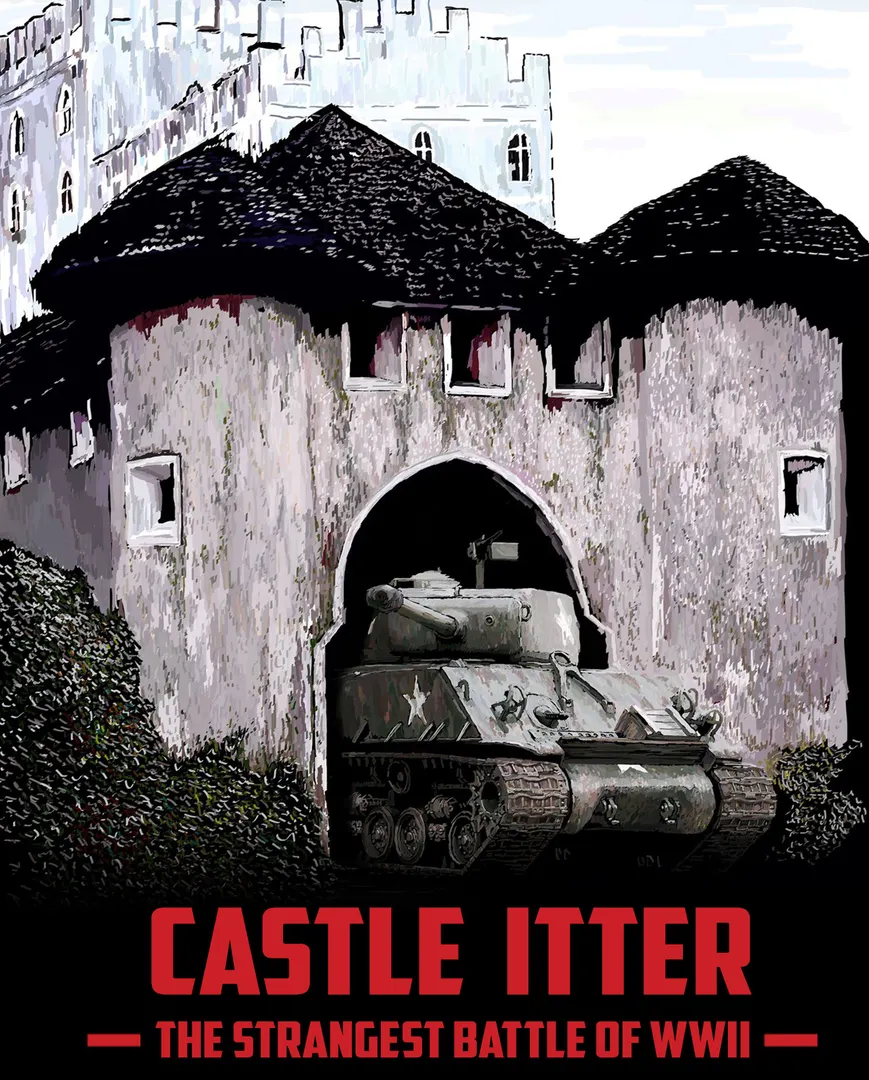
Castle Itter: The Strangest Battle of WWII
- 1 jugador
- 45–60 min
- Complejidad 2,3/5
- 2019
2021
Ayuda con las reglas de Soldiers in Postmen's Uniforms
Explicaciones claras de turnos, efectos de cartas y situaciones dudosas, con referencias a fuentes oficiales e historial de preguntas guardado.
Para 1 jugador
¿Qué quieres saber?
Las respuestas salen del reglamento oficial, con la página para comprobarlo.
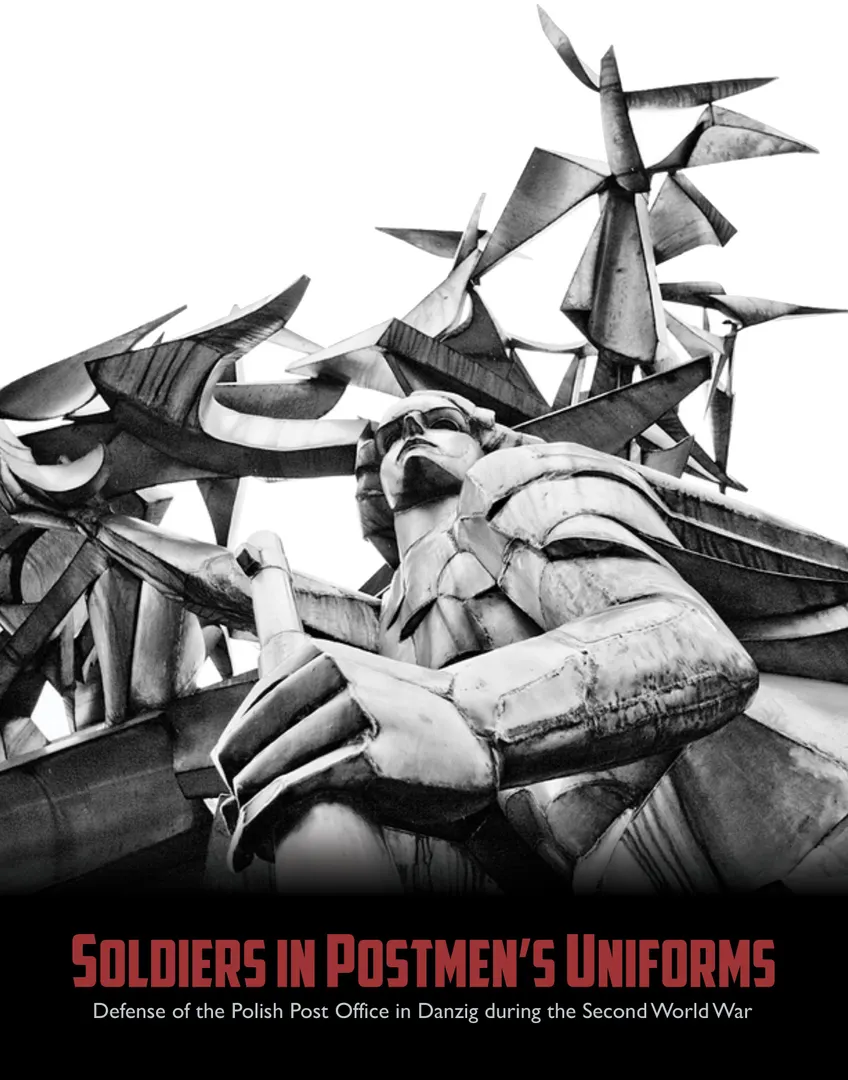
Soldiers in Postmen's Uniforms es un juego de mesa publicado en 2021 para 1 jugador, con partidas de 60 a 75 minutos y a partir de 10 años. Fue diseñado por David Thompson (I) y sus mecánicas principales son Dice Rolling, Point to Point Movement y Simulation.


En inglés
"Soldiers in Postmen's Uniforms" is a skirmish-level solitaire wargame that takes place in the Free City of Danzig on the first day of the Second World War. Danzig (present-day Gdańsk) came into being in 1920, in accordance with the 1919 Treaty of Versailles. Over the next two decades the city became a flash-point in Polish-German relations, which culminated in the Danzig Crisis of 1939. On the first day of the Second World War, German forces moved in to seize Polish installations in Danzig. Two of the installations were on alert and under orders to hold out: the Military Transit Depot on the peninsula of Westerplatte and the Polish Postal Office No. 1. The personnel of the post office repulsed repeated assaults, and were forced to surrender only after a day-long siege, when the post office was doused with gasoline and set alight. Though German propaganda cast these acts of defiance as futile and a failure, they were viewed by the Polish people as symbolic of their stand against a materially superior aggressor. In Soldiers in Postmen’s Uniforms you take control of the valiant defenders of Polish Postal Office No. 1 in the Free City of Danzig on the first day of WW2. Under your command, the defenders must fend off relentless attacks from the Danzig Schutzpolizei and two German SS units. Object of the Game The goal of Soldiers in Postmen’s Uniforms is to recreate the incredible historic accomplishment of the Polish postal workers by defending the post office during the day-long siege. You must last until the three enemy card decks are depleted, while protecting the postal workers and non-combatants. You score points for defenders that survive the assault — the higher your score, the better. Gameplay Soldiers in Postmen’s Uniforms is divided into three attack periods, each of which is represented by a deck of enemy cards. Attack 1 took place during the morning hours. This was the Danzig Schutzpolizei’s initial assault, which targeted the rear of the post office. Attack 2 took place during midday. In this assault, the Schutzpolizei attacked the front of the post office and were supported by armored vehicles as well as infantry guns and a howitzer from SS units. Attack 3 took place in the evening. This final assault was conducted by elements of two SS units against the front of the post office. It ended when the attackers brought up a fire engine filled with gasoline, pumped it into the building, and ignited it with a hand grenade. Each attack period is divided into turns, and each turn consists of three or four phases (depending on the attack period): Enemy Phase: Resolve five enemy cards. Defense Phase: Perform four moves and four actions with defenders. Clearing Phase: Assault counters inside the building remove defenders. Escape Phase (Attack 3 only): Defenders escape from the building. The game ends at the end of the turn when you draw the enemy fire engine card during Attack 3. At the end of the game, your score is based on the number of noncombatants and postal workers that survived the attacks. —description from the publisher
Según el catálogo, Soldiers in Postmen's Uniforms admite 1 jugador. Es el número de jugadores indicado por la editorial, así que el juego está diseñado exactamente para esa cantidad de participantes. Las variantes para otros tamaños de grupo, si existen, se describen en el reglamento de tu edición; consúltalo antes de preparar otra configuración.
La duración indicada para Soldiers in Postmen's Uniforms es de 60 a 75 minutos, la estimación de la editorial para una partida completa. El tiempo real depende del grupo, del número de jugadores y del conocimiento de las reglas: las primeras partidas suelen alargarse y los grupos con experiencia terminan antes. La preparación y la explicación de las reglas no están incluidas.
El catálogo indica Soldiers in Postmen's Uniforms a partir de 10 años. Es la recomendación de la editorial y refleja la lectura necesaria, la complejidad de las reglas y las piezas pequeñas, no solo el tema. Los más pequeños a menudo pueden jugar con ayuda de un adulto: comprueba la edad recomendada en tu edición y la experiencia de tu grupo.
Soldiers in Postmen's Uniforms tiene una puntuación de complejidad de 2,7 sobre 5 según los jugadores de BoardGameGeek, lo que lo convierte en un juego algo ligero. La puntuación refleja cuánto conocimiento de reglas, planificación y toma de decisiones exige una partida típica. Los juegos exigentes requieren una explicación inicial más larga, así que conviene usar una guía de preparación.
Soldiers in Postmen's Uniforms pertenece a estas categorías: Wargame y World War II. Sus mecánicas principales son Dice Rolling, Point to Point Movement y Simulation. Las categorías describen el tema y la ambientación de un juego, mientras que las mecánicas describen lo que los jugadores hacen realmente en su turno. Cada mecánica lleva a una página del catálogo con juegos similares.
Los autores acreditados de Soldiers in Postmen's Uniforms son: David Thompson (I). Estos créditos proceden de los datos publicados del juego y nombran a las personas responsables de su diseño, no a ilustradores ni editoriales. Las páginas de autor de MeepleRules reúnen otros títulos de los mismos autores, algo útil cuando un juego te gusta y buscas otros parecidos.
El catálogo clasifica Soldiers in Postmen's Uniforms como juego base. Se juega por sí solo con los componentes de la caja y no requiere ningún otro título. Las expansiones, si existen, añaden contenido o reglas nuevas y aparecen por separado en el catálogo con un enlace a este juego base.