
- Puesto en BGG
- BGG #23
- Puntuación BGG
- 8,4
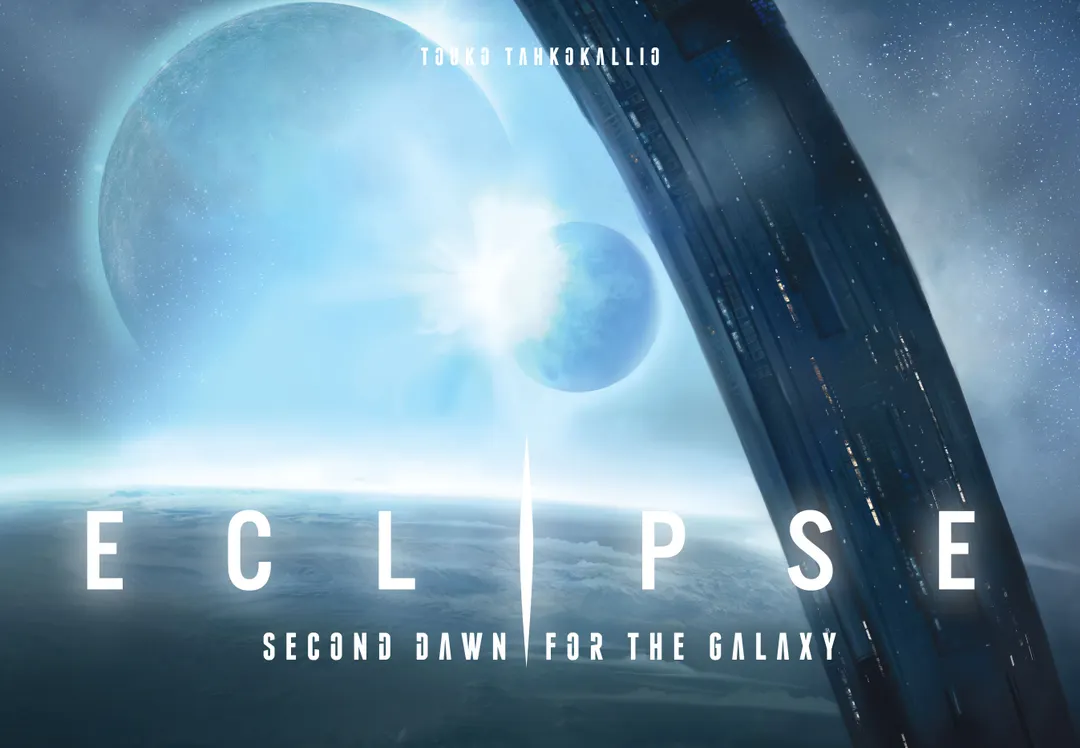
Eclipse: Second Dawn for the Galaxy
- 2–6 jugadores
- 60–200 min
- Complejidad 3,7/5
- 2020
2023
Ayuda con las reglas de Storm Over Jerusalem: The Roman Siege
Explicaciones claras de turnos, efectos de cartas y situaciones dudosas, con referencias a fuentes oficiales e historial de preguntas guardado.
Para 2 jugadores
¿Qué quieres saber?
Las respuestas salen del reglamento oficial, con la página para comprobarlo.
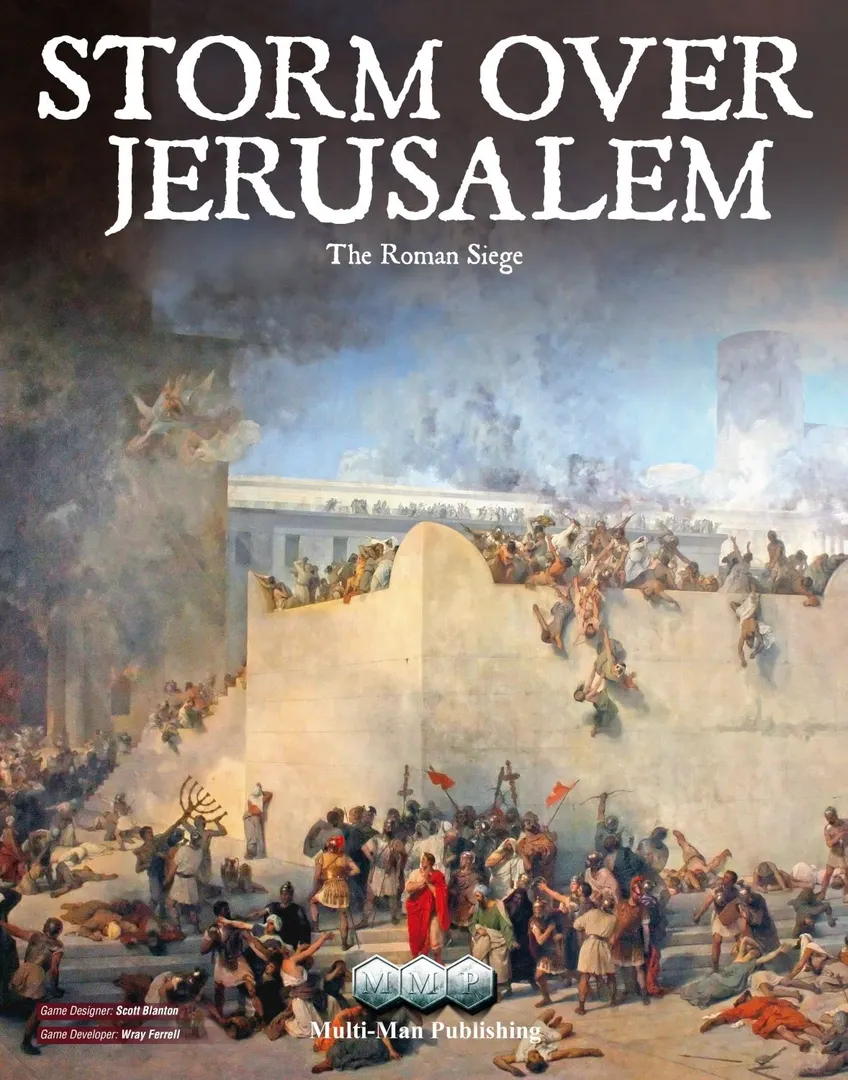
Storm Over Jerusalem: The Roman Siege es un juego de mesa publicado en 2023 para 2 jugadores, con partidas de 120 a 180 minutos y a partir de 12 años. Fue diseñado por Scott Blanton y sus mecánicas principales son Area-Impulse.



En inglés
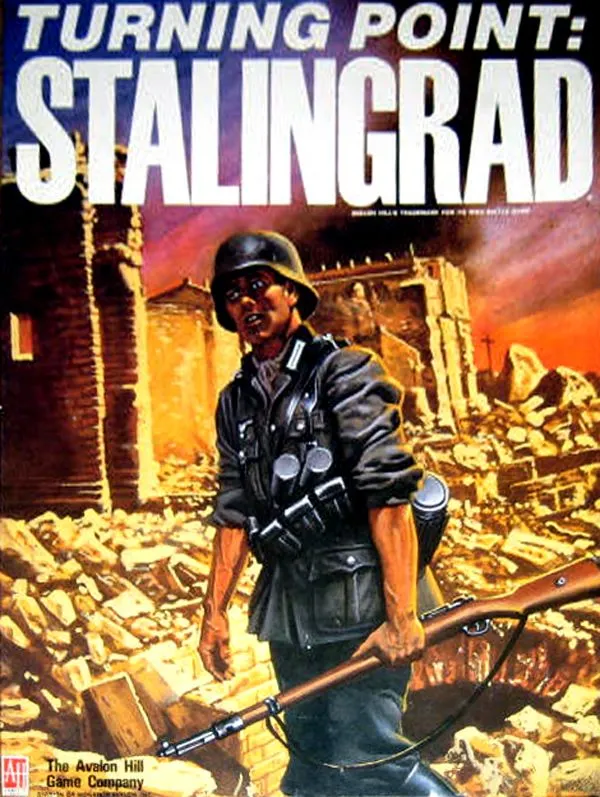
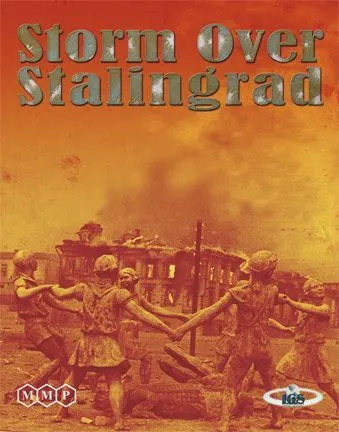
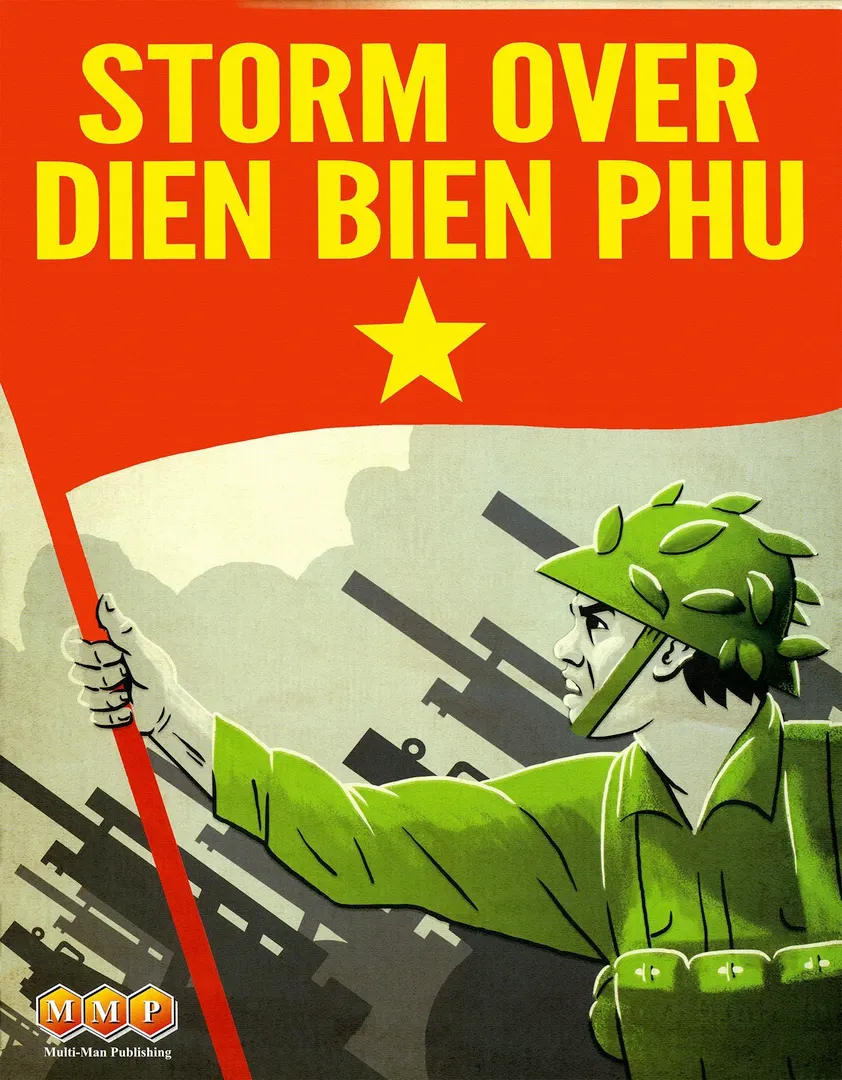
By the year 70 of the Common Era (CE), the province of Judea had been in revolt against Rome for nearly 4 years. The protests and riots that began in 66 CE had quickly turned into open rebellion. The standard Roman punitive force under Syrian legate Cestius Gallus, having failed to capture Jerusalem, was wiped out at Beth Horon. General Vespasian was given command of the Roman army in the region and ordered to crush the rebellion and restore order. Turmoil in Rome, however, saw Vespasian recalled to become Emperor. In early 70 CE, Emperor Vespasian dispatched his son Titus (a future Emperor) along with four legions to end the rebellion in this important province. Titus arrived in Jerusalem in April to find the city still at war with itself. Throughout the rebellion, differing Judean factions had fought a bitter internecine war among themselves. The primary factions fighting each other in Jerusalem at this time were controlled by Simon bar Giora and John of Gischala. With the arrival of Titus and his legions, however, they were now faced with a common threat to their immediate survival. The brutal siege of Jerusalem lasted nearly five months. During the siege, city walls were breached one-by-one, much of the city devastated, and the Temple—central to both the Jewish religion and the defense of the city—destroyed and burned. With the capture of Jerusalem, Titus had effectively ended the Judean revolt, with the last of the rebels finally cornered and eliminated in the legendary siege of Masada in 73 CE. Storm Over Jerusalem: The Roman Siege is a 2-player wargame simulating the Siege of Jerusalem in 70AD. One player controls the Roman forces, and the other player controls the Judean forces. Using the Area Move system redefined in Storm Over Stalingrad and Storm Over Dien Bien Phu, the game features the use of tactical cards to augment game play, adding to the tension experienced by both sides. The rules are similar in length to those seen in previous Storm Over games, and are of the same level of complexity, with additions made for the situations encountered in this battle. Additional rules added to the game include Siege Towers, the Walls of Jerusalem, and Judean leaders. In addition to these new rules, new cards have been created in order to represent events encountered during the battle. These include “Battering Rams”, “Famine”, “Rigging the Colonnades”, and “Escape the Siege”. Game Scale: Game Turn: approximately 10 - 14 days Area: approximately 1" = 300ft / 91 meters Units: Legions Game Inventory: One 22 x 34" full color mapsheet One dual-side printed countersheet (108 3/4" counters w/ 1 blank) One dual-side printed countersheet (54 3/4" & 88 5/8" counters w/ 17 blanks) One 12-page full color rulebook Two dual-side printed player aid cards One deck of 55 tactical playing cards Four 6 sided dice (2 red & 2 blue) Solitaire Playability: Low Complexity Level: Low Players: 2 (or more) Playing Time: 2-3 hours
Según el catálogo, Storm Over Jerusalem: The Roman Siege admite 2 jugadores. Es el número de jugadores indicado por la editorial, así que el juego está diseñado exactamente para esa cantidad de participantes. Las variantes para otros tamaños de grupo, si existen, se describen en el reglamento de tu edición; consúltalo antes de preparar otra configuración.
La duración indicada para Storm Over Jerusalem: The Roman Siege es de 120 a 180 minutos, la estimación de la editorial para una partida completa. El tiempo real depende del grupo, del número de jugadores y del conocimiento de las reglas: las primeras partidas suelen alargarse y los grupos con experiencia terminan antes. La preparación y la explicación de las reglas no están incluidas.
El catálogo indica Storm Over Jerusalem: The Roman Siege a partir de 12 años. Es la recomendación de la editorial y refleja la lectura necesaria, la complejidad de las reglas y las piezas pequeñas, no solo el tema. Los más pequeños a menudo pueden jugar con ayuda de un adulto: comprueba la edad recomendada en tu edición y la experiencia de tu grupo.
Storm Over Jerusalem: The Roman Siege tiene una puntuación de complejidad de 2,6 sobre 5 según los jugadores de BoardGameGeek, lo que lo convierte en un juego algo ligero. La puntuación refleja cuánto conocimiento de reglas, planificación y toma de decisiones exige una partida típica. Los juegos exigentes requieren una explicación inicial más larga, así que conviene usar una guía de preparación.
Storm Over Jerusalem: The Roman Siege pertenece a estas categorías: Wargame y Ancient. Sus mecánicas principales son Area-Impulse. Las categorías describen el tema y la ambientación de un juego, mientras que las mecánicas describen lo que los jugadores hacen realmente en su turno. Cada mecánica lleva a una página del catálogo con juegos similares.
Los autores acreditados de Storm Over Jerusalem: The Roman Siege son: Scott Blanton. Estos créditos proceden de los datos publicados del juego y nombran a las personas responsables de su diseño, no a ilustradores ni editoriales. Las páginas de autor de MeepleRules reúnen otros títulos de los mismos autores, algo útil cuando un juego te gusta y buscas otros parecidos.
El catálogo clasifica Storm Over Jerusalem: The Roman Siege como juego base. Se juega por sí solo con los componentes de la caja y no requiere ningún otro título. Las expansiones, si existen, añaden contenido o reglas nuevas y aparecen por separado en el catálogo con un enlace a este juego base.