
- Puntuación BGG
- 8,5
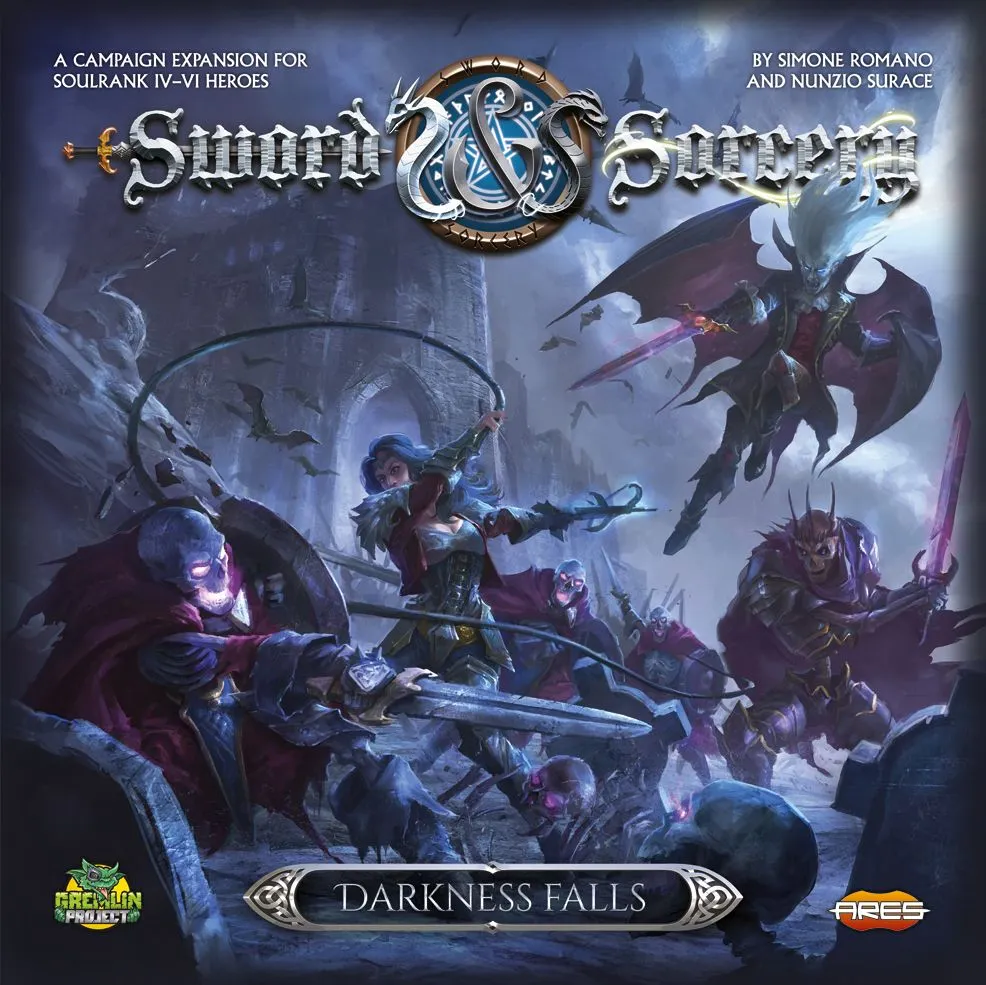
Sword & Sorcery: Darkness Falls
- 1–5 jugadores
- 60–150 min
- Complejidad 4,2/5
- 2017
2017
Ayuda con las reglas de Sword & Sorcery: Immortal Souls
Explicaciones claras de turnos, efectos de cartas y situaciones dudosas, con referencias a fuentes oficiales e historial de preguntas guardado.
Para 1 jugador
¿Qué quieres saber?
Las respuestas salen del reglamento oficial, con la página para comprobarlo.
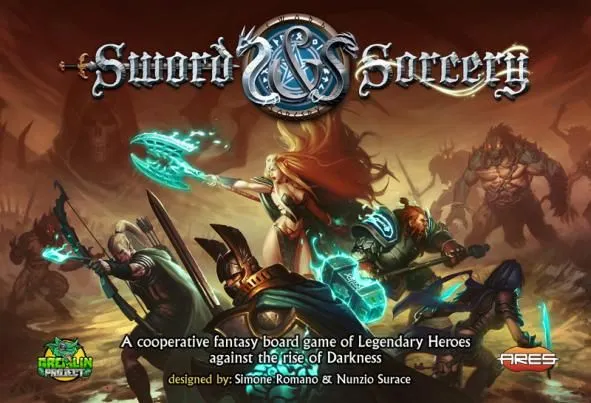
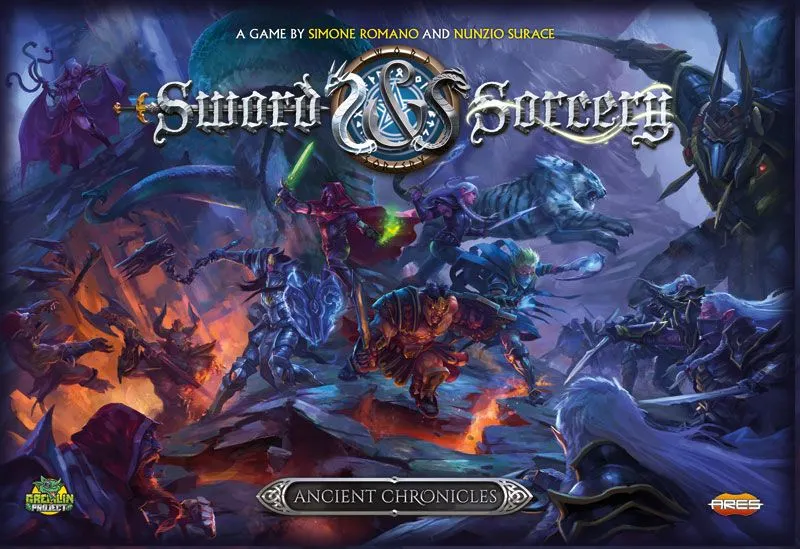
Sword & Sorcery: Immortal Souls es un juego de mesa publicado en 2017 para 1–5 jugadores, con partidas de 60 a 150 minutos y a partir de 13 años. Fue diseñado por Simone Romano y Nunzio Surace y sus mecánicas principales son Variable Player Powers, Area Movement y Dice Rolling.



En inglés
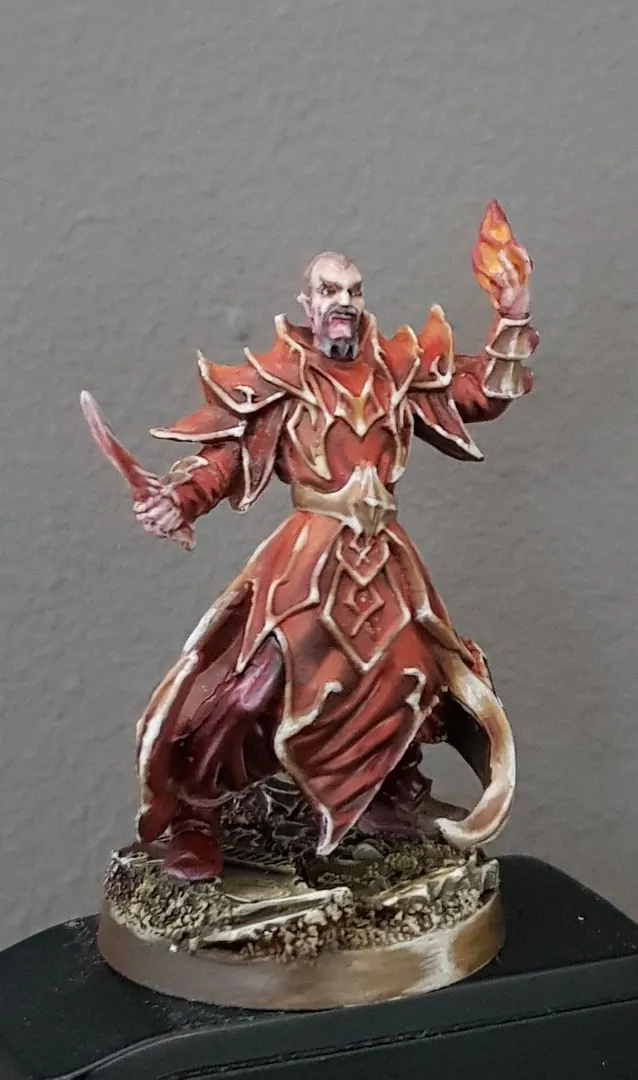
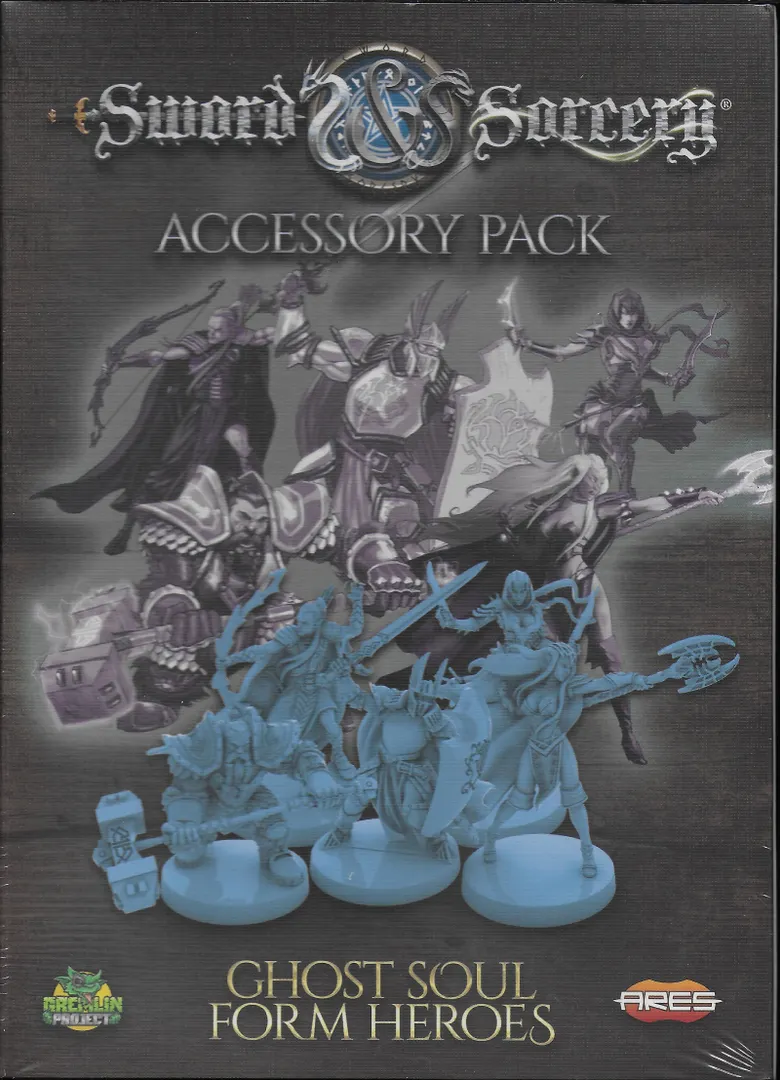
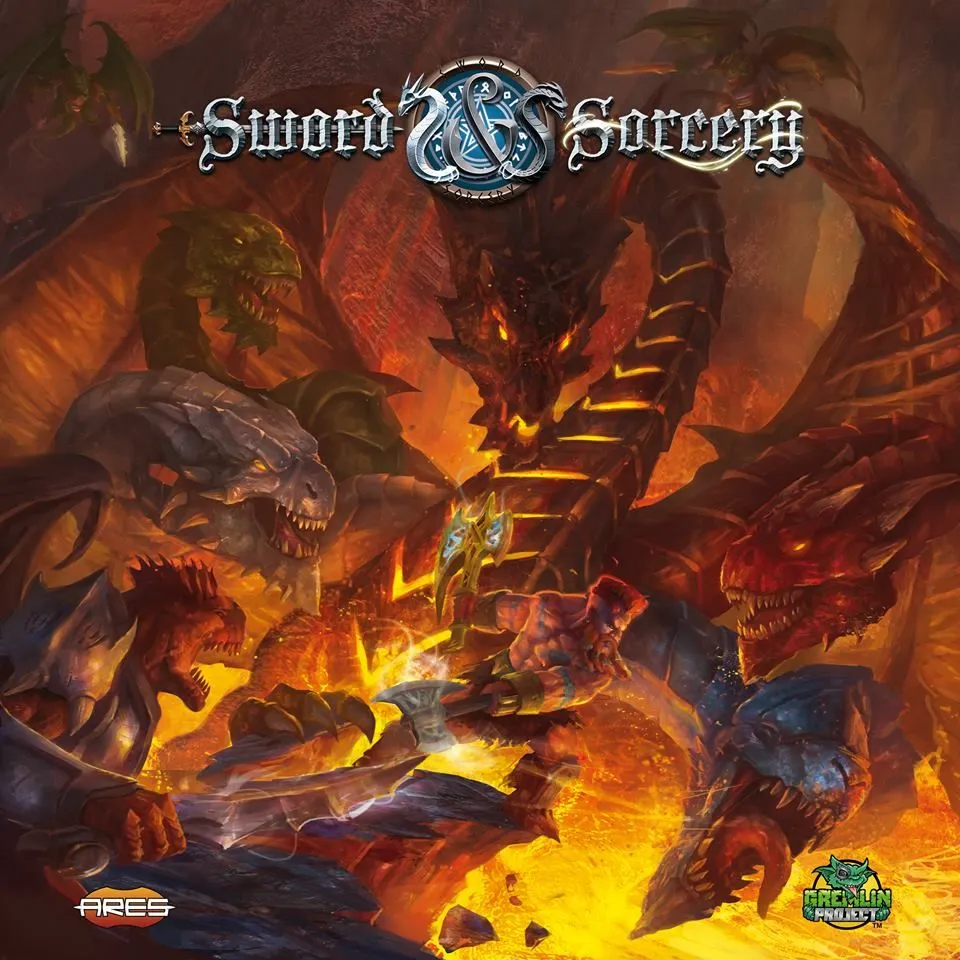
The legend begins! Play heroes of epic stature against the forces of evil. Five heroes awoke from the dead and were made immortal to save the kingdom from the rise of darkness. In Sword & Sorcery: Immortal Souls, up to five players control one or more of these legendary characters brought back to life by powerful sorcery, to fight against the forces of evil, controlled by the game itself. Heroes grow stronger during their story-driven quests. Along the battles, they acquire soul points that regenerate their souls, restoring their legendary status with multiple powers, magic and soul weapons, and powerful artifacts. An innovative A.I. system allows the control and management of enemies by the players, giving them intelligent behavior and creating interesting battles every time, with no Game Master required. There is no player elimination - when a hero dies, he becomes a ghost soul, an ethereal form able to use its unique ghost shout against enemies, and then he can resurrect spending Soul points at the Gods altar. The game features ultra detailed 32mm scale figures and modular boards, several decks of cards, Solo Play, high character customization, sophisticated combat and magic system, and quests designed to be completed in about 90 minutes or less. Gameplay In Sword & Sorcery, each player controls one or more heroes. Each hero is represented by a miniature, a hero sheet, a soul gem, and a number of power and equipment cards. Heroes may have one of two different classes, representing parallel destinies of the character - the result of his or her choices in the past life. The hero sheet is two-sided, to show both options, and each class has unique hero cards to use. The forces of Evil are controlled by the A.I. system of the game. Each enemy has different fighting styles, multiple behaviors, weapons, and additional powers. Each enemy is described by a miniature, a tarot-sized Enemy scroll, and the Enemy card (to keep track of the defensive capabilities of the enemy, and the wounds on each figure). Enemy activation is determined by Encounter cards, drawn after each hero turn. Activation can be based on the fighting styles of the monsters, their rank or other specific conditions, making each turn unique and unpredictable. Sword & Sorcery features a sophisticated Combat and Magic System, based on two types of D10 custom dice. Each attack or defense value may be indicated as a fixed number ("automatic" hits - or parries), plus a number of dice to roll. The roll may generate additional hits or parries (shields), and the icons showing up on the dice (the "bolt" and "pentacle") can also be spent to activate additional weapon or armor effects. Powers and skills are handled through an innnovative cooldown mechanic. Most powers have a variable intensity, and the player can choose whether to activate the power at a low intensity, recovering it sooner, or with full strength, recovering it later. No calculations and tables are needed. At the same time, the system offers great depth as you find the best way to use your skills and equipment to defeat the enemies in front of you.
Según el catálogo, Sword & Sorcery: Immortal Souls admite de 1 a 5 jugadores. Este intervalo corresponde al número de jugadores indicado por la editorial, así que el juego puede prepararse para cualquier grupo dentro de ese margen. La preparación, algunas reglas y la puntuación pueden variar según el número de jugadores; consulta la configuración exacta en el reglamento de tu edición.
La duración indicada para Sword & Sorcery: Immortal Souls es de 60 a 150 minutos, la estimación de la editorial para una partida completa. El tiempo real depende del grupo, del número de jugadores y del conocimiento de las reglas: las primeras partidas suelen alargarse y los grupos con experiencia terminan antes. La preparación y la explicación de las reglas no están incluidas.
El catálogo indica Sword & Sorcery: Immortal Souls a partir de 13 años. Es la recomendación de la editorial y refleja la lectura necesaria, la complejidad de las reglas y las piezas pequeñas, no solo el tema. Los más pequeños a menudo pueden jugar con ayuda de un adulto: comprueba la edad recomendada en tu edición y la experiencia de tu grupo.
Sword & Sorcery: Immortal Souls tiene una puntuación de complejidad de 4,1 sobre 5 según los jugadores de BoardGameGeek, lo que lo convierte en un juego exigente. La puntuación refleja cuánto conocimiento de reglas, planificación y toma de decisiones exige una partida típica. Los juegos exigentes requieren una explicación inicial más larga, así que conviene usar una guía de preparación.
Sword & Sorcery: Immortal Souls pertenece a estas categorías: Fantasy, Fighting y Adventure. Sus mecánicas principales son Variable Player Powers, Area Movement y Dice Rolling. Las categorías describen el tema y la ambientación de un juego, mientras que las mecánicas describen lo que los jugadores hacen realmente en su turno. Cada mecánica lleva a una página del catálogo con juegos similares.
Los autores acreditados de Sword & Sorcery: Immortal Souls son: Simone Romano y Nunzio Surace. Estos créditos proceden de los datos publicados del juego y nombran a las personas responsables de su diseño, no a ilustradores ni editoriales. Las páginas de autor de MeepleRules reúnen otros títulos de los mismos autores, algo útil cuando un juego te gusta y buscas otros parecidos.
El catálogo clasifica Sword & Sorcery: Immortal Souls como juego base. Se juega por sí solo con los componentes de la caja y no requiere ningún otro título. Las expansiones, si existen, añaden contenido o reglas nuevas y aparecen por separado en el catálogo con un enlace a este juego base.