
- Puesto en BGG
- BGG #10.467
- Puntuación BGG
- 6,1
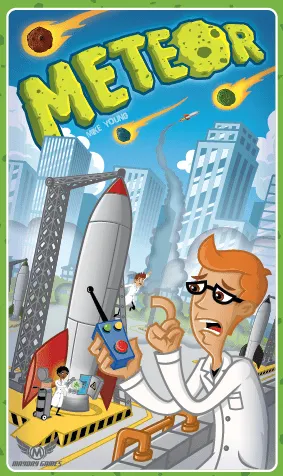
Meteor
- 1–6 jugadores
- 15 min
- Complejidad 1,9/5
- 2014
Ayuda con las reglas de Tapestry: Fantasies & Futures
Explicaciones claras de turnos, efectos de cartas y situaciones dudosas, con referencias a fuentes oficiales e historial de preguntas guardado.
¿Qué quieres saber?
Las respuestas salen del reglamento oficial, con la página para comprobarlo.
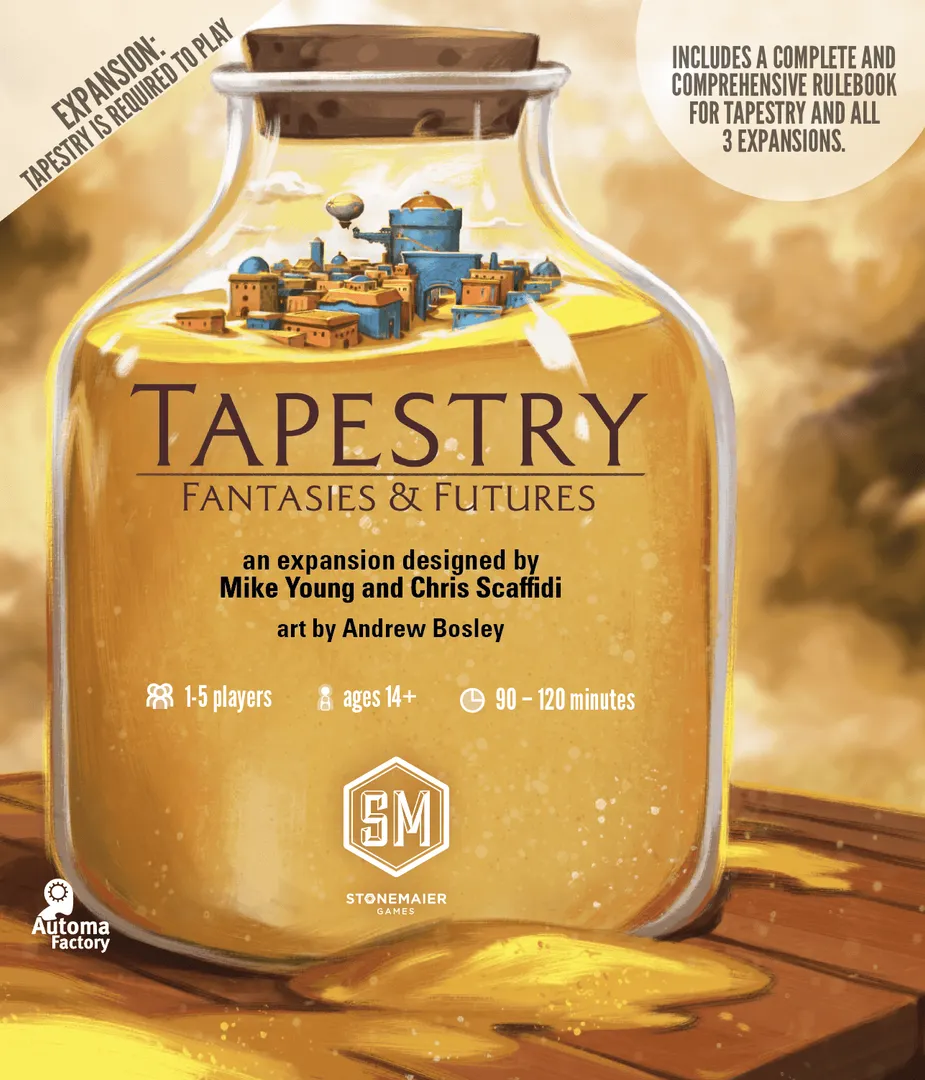
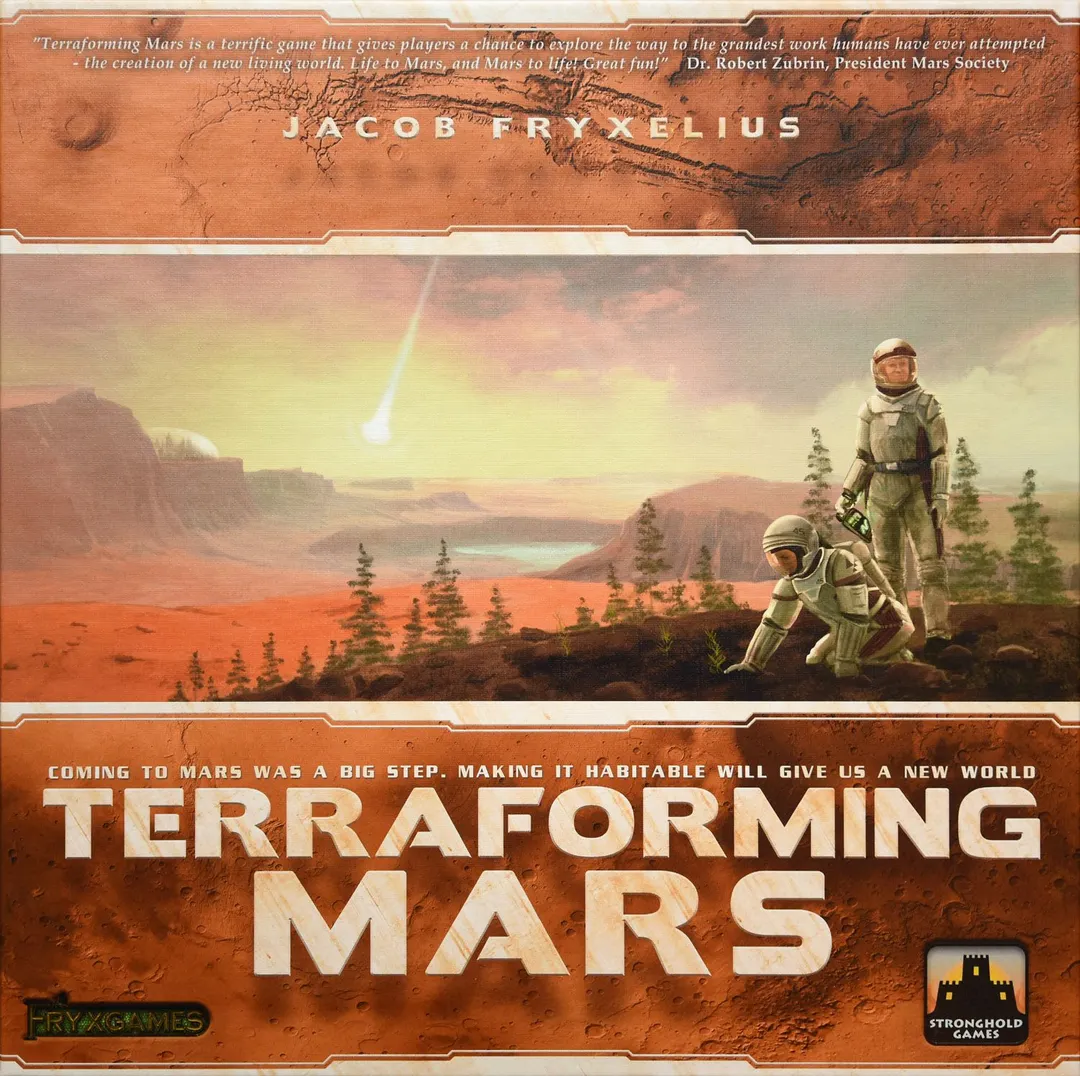
Tapestry: Fantasies & Futures es una expansión de Tapestry publicada en 2023 para 1–5 jugadores, con partidas de 90 a 120 minutos y a partir de 14 años. Fue diseñado por Mike Young y Chris Scaffidi y sus mecánicas principales son Variable Player Powers, Hand Management y Hexagon Grid.


En inglés
Parallel universes are abundant in the world of Tapestry. The Fantasies & Futures expansion gives players the opportunity to build civilizations using fantasy and sci-fi inspired civs, technology, tapestries, and cities. Components In this third and final expansion to Tapestry, 10 new civilizations, 6 advanced capital city mats, 38 new tapestry cards, and 12 new tech cards are accompanied by a comprehensive rulebook that organizes all rules for Tapestry and the 3 expansions in one place (as well as a few replacement cards from previous expansions: 3 landmark cards, Oil Paint, and Migration). Some of the new tapestry cards include a new “charm” mechanism that provides one-time bonuses; some new tapestry and tech cards include exciting payoffs reserved for the final income turn. Fantasies & Futures is fully compatible with any combination of the core game, the other Tapestry expansions, and the natural rubber playmat. It is packaged in an eco-friendly, recyclable envelope. —description from the publisher
Según el catálogo, Tapestry: Fantasies & Futures admite de 1 a 5 jugadores. Este intervalo corresponde al número de jugadores indicado por la editorial, así que el juego puede prepararse para cualquier grupo dentro de ese margen. La preparación, algunas reglas y la puntuación pueden variar según el número de jugadores; consulta la configuración exacta en el reglamento de tu edición.
La duración indicada para Tapestry: Fantasies & Futures es de 90 a 120 minutos, la estimación de la editorial para una partida completa. El tiempo real depende del grupo, del número de jugadores y del conocimiento de las reglas: las primeras partidas suelen alargarse y los grupos con experiencia terminan antes. La preparación y la explicación de las reglas no están incluidas.
El catálogo indica Tapestry: Fantasies & Futures a partir de 14 años. Es la recomendación de la editorial y refleja la lectura necesaria, la complejidad de las reglas y las piezas pequeñas, no solo el tema. Los más pequeños a menudo pueden jugar con ayuda de un adulto: comprueba la edad recomendada en tu edición y la experiencia de tu grupo.
Tapestry: Fantasies & Futures tiene una puntuación de complejidad de 3,2 sobre 5 según los jugadores de BoardGameGeek, lo que lo convierte en un juego de complejidad media. La puntuación refleja cuánto conocimiento de reglas, planificación y toma de decisiones exige una partida típica. Los juegos exigentes requieren una explicación inicial más larga, así que conviene usar una guía de preparación.
Tapestry: Fantasies & Futures pertenece a estas categorías: Expansion for Base-game y Civilization. Sus mecánicas principales son Variable Player Powers, Hand Management y Hexagon Grid. Las categorías describen el tema y la ambientación de un juego, mientras que las mecánicas describen lo que los jugadores hacen realmente en su turno. Cada mecánica lleva a una página del catálogo con juegos similares.
Los autores acreditados de Tapestry: Fantasies & Futures son: Mike Young y Chris Scaffidi. Estos créditos proceden de los datos publicados del juego y nombran a las personas responsables de su diseño, no a ilustradores ni editoriales. Las páginas de autor de MeepleRules reúnen otros títulos de los mismos autores, algo útil cuando un juego te gusta y buscas otros parecidos.
El catálogo clasifica Tapestry: Fantasies & Futures como expansión de Tapestry. Las expansiones añaden contenido, reglas o escenarios al juego base y normalmente no se pueden jugar solas, así que necesitas Tapestry para usarla. Comprueba que tu edición de Tapestry sea compatible, porque algunas expansiones se revisaron entre ediciones.