- Puntuación BGG
- 7,1
Ayuda con las reglas de The Battle of the Tagus River
Explicaciones claras de turnos, efectos de cartas y situaciones dudosas, con referencias a fuentes oficiales e historial de preguntas guardado.
- 2 jugadores
- 240 min
- Complejidad 3,4/5

Asistente de reglas de The Battle of the Tagus River
¿Qué quieres saber?
Las respuestas salen del reglamento oficial, con la página para comprobarlo.
The Battle of the Tagus River es una expansión de SPQR publicada en 2006 para 2 jugadores y con partidas de 240 minutos. Fue diseñado por Richard H. Berg, Mark Herman y Dan Fournie y sus mecánicas principales son Hexagon Grid.
Sobre el juego
En inglés
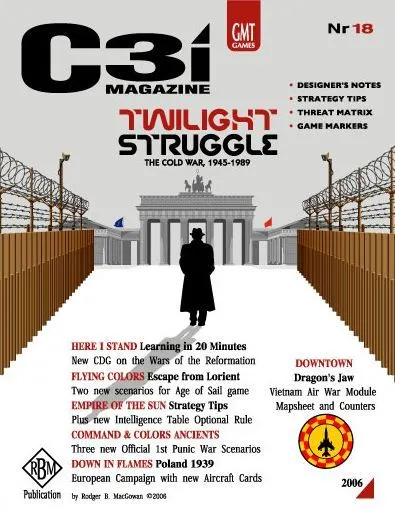
The Battle of the Tagus River (220 BC) is GMT's Battle Scenario for SPQR, published in RBM's C3i Magazine Nr. 18. It depicts Hannibal's first battle in Spain 220 BC. After laying siege on the Vaccei's cities of Hermandica and Arbocala, Hannibal sacked the towns within a short time. On his way back to New Carthago he travelled full of booty offering the Spanish tribes the chance to strike back against Hannibal's Carthaginian force. After Hannibal realized that the Spanish tribes comprise a 100,000 men force following him, he slipped out of the situation by using a maneuver he copied used by his father Hamilcar during a battle in Tunis 241 BC. He raced his army south, simulating a rout, crossing the Tagus River and suddenly turning back towards the Spanish force, just wading through the river. The rest turned to be a smashing victory... Expansion module for the Great Battles of History (GBoH) series game SPQR.
Categorías
Mecánicas
Diseñadores
Editoriales
- GMT Games
- RBM Studio
Preguntas y respuestas
Según el catálogo, The Battle of the Tagus River admite 2 jugadores. Es el número de jugadores indicado por la editorial, así que el juego está diseñado exactamente para esa cantidad de participantes. Las variantes para otros tamaños de grupo, si existen, se describen en el reglamento de tu edición; consúltalo antes de preparar otra configuración.
La duración indicada para The Battle of the Tagus River es de 240 minutos, la estimación de la editorial para una partida completa. El tiempo real depende del grupo, del número de jugadores y del conocimiento de las reglas: las primeras partidas suelen alargarse y los grupos con experiencia terminan antes. La preparación y la explicación de las reglas no están incluidas.
The Battle of the Tagus River tiene una puntuación de complejidad de 3,4 sobre 5 según los jugadores de BoardGameGeek, lo que lo convierte en un juego de complejidad media. La puntuación refleja cuánto conocimiento de reglas, planificación y toma de decisiones exige una partida típica. Los juegos exigentes requieren una explicación inicial más larga, así que conviene usar una guía de preparación.
The Battle of the Tagus River pertenece a estas categorías: Wargame, Ancient y Expansion for Base-game. Sus mecánicas principales son Hexagon Grid. Las categorías describen el tema y la ambientación de un juego, mientras que las mecánicas describen lo que los jugadores hacen realmente en su turno. Cada mecánica lleva a una página del catálogo con juegos similares.
Los autores acreditados de The Battle of the Tagus River son: Richard H. Berg, Mark Herman y Dan Fournie. Estos créditos proceden de los datos publicados del juego y nombran a las personas responsables de su diseño, no a ilustradores ni editoriales. Las páginas de autor de MeepleRules reúnen otros títulos de los mismos autores, algo útil cuando un juego te gusta y buscas otros parecidos.
El catálogo clasifica The Battle of the Tagus River como expansión de SPQR. Las expansiones añaden contenido, reglas o escenarios al juego base y normalmente no se pueden jugar solas, así que necesitas SPQR para usarla. Comprueba que tu edición de SPQR sea compatible, porque algunas expansiones se revisaron entre ediciones.