- Puesto en BGG
- BGG #17.936
- Puntuación BGG
- 7,6
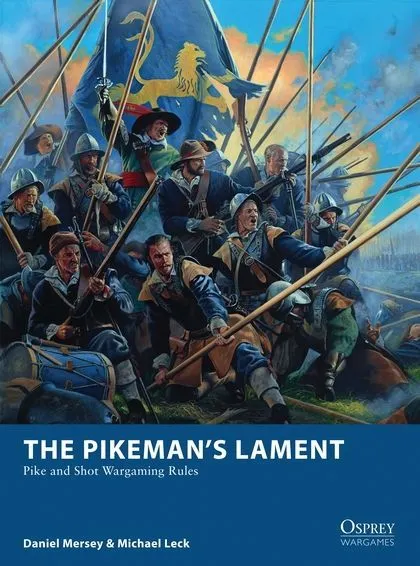
The Pikeman's Lament: Pike and Shot Wargaming Rules
2017
Ayuda con las reglas de The Pikeman's Lament: Pike and Shot Wargaming Rules
Explicaciones claras de turnos, efectos de cartas y situaciones dudosas, con referencias a fuentes oficiales e historial de preguntas guardado.
- 1–10 jugadores
- 60 min
- 10+

Para 1 jugador
Asistente de reglas de The Pikeman's Lament: Pike and Shot Wargaming Rules
¿Qué quieres saber?
Las respuestas salen del reglamento oficial, con la página para comprobarlo.
The Pikeman's Lament: Pike and Shot Wargaming Rules es un juego de mesa publicado en 2017 para 1–10 jugadores, con partidas de 60 minutos y a partir de 10 años. Fue diseñado por Daniel Mersey y Michael Leck y sus mecánicas principales son Dice Rolling y Simulation.
Sobre el juego
En inglés
Recreate the action and drama of 17th century warfare on your tabletop with The Pikeman's Lament. Start by creating your officer; is he a natural leader raised from the ranks, the youngest son of a noble family, or an old veteran who has seen too many battles? As you campaign, your officer will win honor and gain promotion, acquiring traits that may help lead his men to victory. Before each skirmish, your officer must raise his company from a wide range of unit options: Should he lean towards hard-hitting heavy cavalry or favor solid, defensively minded infantry? Companies are typically formed from 6-8 units, each made up of either 6 or 12 figures, and quick, decisive, and dramatic games are the order of the day. With core mechanisms based on Daniel Mersey's popular Lion Rampant rules, The Pikeman's Lament captures the military flavor of the 17th century, and allows you to recreate skirmishes and raids from conflicts such as the Thirty Years' War, the English Civil Wars, and the Great Northern War.
Categorías
Mecánicas
Diseñadores
Editoriales
- Osprey Games
Preguntas y respuestas
Según el catálogo, The Pikeman's Lament: Pike and Shot Wargaming Rules admite de 1 a 10 jugadores. Este intervalo corresponde al número de jugadores indicado por la editorial, así que el juego puede prepararse para cualquier grupo dentro de ese margen. La preparación, algunas reglas y la puntuación pueden variar según el número de jugadores; consulta la configuración exacta en el reglamento de tu edición.
La duración indicada para The Pikeman's Lament: Pike and Shot Wargaming Rules es de 60 minutos, la estimación de la editorial para una partida completa. El tiempo real depende del grupo, del número de jugadores y del conocimiento de las reglas: las primeras partidas suelen alargarse y los grupos con experiencia terminan antes. La preparación y la explicación de las reglas no están incluidas.
El catálogo indica The Pikeman's Lament: Pike and Shot Wargaming Rules a partir de 10 años. Es la recomendación de la editorial y refleja la lectura necesaria, la complejidad de las reglas y las piezas pequeñas, no solo el tema. Los más pequeños a menudo pueden jugar con ayuda de un adulto: comprueba la edad recomendada en tu edición y la experiencia de tu grupo.
The Pikeman's Lament: Pike and Shot Wargaming Rules pertenece a estas categorías: Wargame, Miniatures y Pike and Shot. Sus mecánicas principales son Dice Rolling y Simulation. Las categorías describen el tema y la ambientación de un juego, mientras que las mecánicas describen lo que los jugadores hacen realmente en su turno. Cada mecánica lleva a una página del catálogo con juegos similares.
Los autores acreditados de The Pikeman's Lament: Pike and Shot Wargaming Rules son: Daniel Mersey y Michael Leck. Estos créditos proceden de los datos publicados del juego y nombran a las personas responsables de su diseño, no a ilustradores ni editoriales. Las páginas de autor de MeepleRules reúnen otros títulos de los mismos autores, algo útil cuando un juego te gusta y buscas otros parecidos.
El catálogo clasifica The Pikeman's Lament: Pike and Shot Wargaming Rules como juego base. Se juega por sí solo con los componentes de la caja y no requiere ningún otro título. Las expansiones, si existen, añaden contenido o reglas nuevas y aparecen por separado en el catálogo con un enlace a este juego base.