
- Puesto en BGG
- BGG #18
- Puntuación BGG
- 8,4
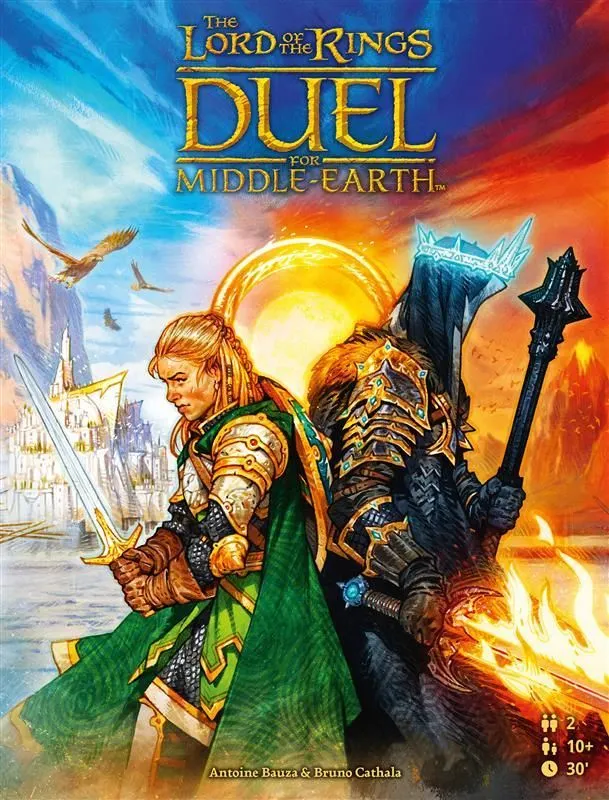
The Lord of the Rings: Duel for Middle-earth
- 2 jugadores
- 30 min
- Complejidad 2,1/5
- 2024
2022
Ayuda con las reglas de Theurgy
Explicaciones claras de turnos, efectos de cartas y situaciones dudosas, con referencias a fuentes oficiales e historial de preguntas guardado.
Para 1 jugador
¿Qué quieres saber?
Las respuestas salen del reglamento oficial, con la página para comprobarlo.
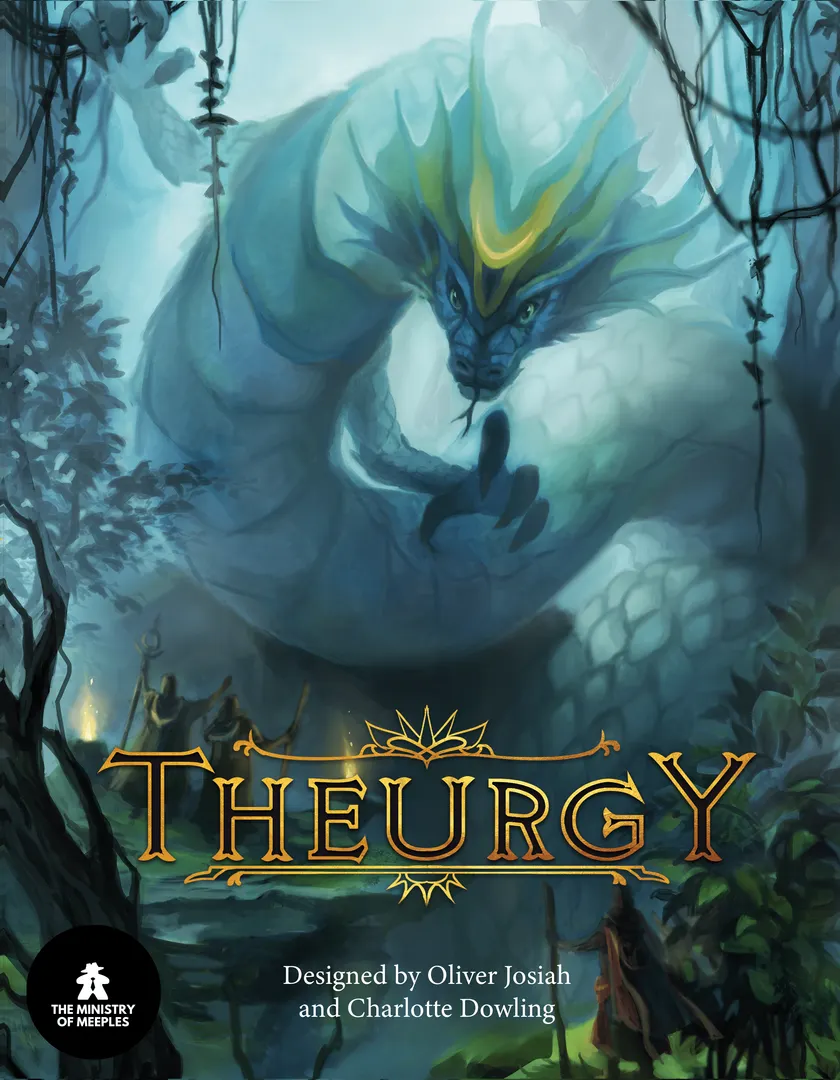
Theurgy es un juego de mesa publicado en 2022 para 1–6 jugadores, con partidas de 60 a 180 minutos y a partir de 14 años. Fue diseñado por Rowan Dowling y Oliver Josiah y sus mecánicas principales son Variable Player Powers, Hand Management y Take That.




En inglés
How long has it been since last you cast your gaze upon the world? Mortals always were such feeble things, and mortal memories doubly so… Doubts swarm in every place they make their homes, stones that once formed temple-walls now line their hearths, and all your earthly offspring slumber. No matter. It should be short work to cast out the doubts, rebuild the temples, and awaken some of your old allies. Only a few faithful acolytes remain, but they will suffice. After all, you are not some feeble mortal, and who could defy the will of a God? In Theurgy, you and up to five others take on the role of half-forgotten gods and compete to have temples built in your honour. A player wins if, at their end of their turn, they have met one of three winning conditions: Become the Official Faith: Build X temples, including one in the Capital. Fulfil Your Calling: Build X+1 temples and meet your secret objective. Spread Across the Land: Build X+2 temples anywhere on the board. The exact number of temples you need to build for the winning conditions varies with the player count. In many ways, Theurgy is a classic area control strategy game in which you must carve out your territory and undermine the territory belonging to your rivals. However, to achieve this, players must also manage and draft cards wisely. By performing incredible miracles, unleashing epic combinations of monsters, and cleverly utilising their deity’s unique power, players can find ingenious ways to give themselves a surprising edge. A turn consists of choosing one of the following four actions: Pilgrimage: move acolytes and followers from settlement to settlement. Along the way, your acolytes can preach to convert the resident population or fight off monsters to protect your following from the ill will of your rivals. Spread the Word: place (or replace) a faith token to mark your growing cultural influence in the surrounding settlements. It will be far easier to construct temples if your religion is already deeply rooted in the region's culture. Divine Intervention: perform a miracle by playing a card from your hand or choose a monster to summon from the cards available in the central area. A player may also activate the abilities of monsters they have already summoned, so that the larger a player’s horde, the more powerful their interventions become. Test the Faith: trigger an anomalous event in a settlement of your choice to see which god the locals turn to when their faith is tested. The distribution of followers in a settlement, each deity’s cultural influence, and the level of scepticism present there all play a role in determining which religion's temple will be constructed – and which torn down… The most successful deities are those best able to time their interventions and use their turns to sneak their influence under the radar and establish followings in the most unlikely of places. —description from the publisher
Según el catálogo, Theurgy admite de 1 a 6 jugadores. Este intervalo corresponde al número de jugadores indicado por la editorial, así que el juego puede prepararse para cualquier grupo dentro de ese margen. La preparación, algunas reglas y la puntuación pueden variar según el número de jugadores; consulta la configuración exacta en el reglamento de tu edición.
La duración indicada para Theurgy es de 60 a 180 minutos, la estimación de la editorial para una partida completa. El tiempo real depende del grupo, del número de jugadores y del conocimiento de las reglas: las primeras partidas suelen alargarse y los grupos con experiencia terminan antes. La preparación y la explicación de las reglas no están incluidas.
El catálogo indica Theurgy a partir de 14 años. Es la recomendación de la editorial y refleja la lectura necesaria, la complejidad de las reglas y las piezas pequeñas, no solo el tema. Los más pequeños a menudo pueden jugar con ayuda de un adulto: comprueba la edad recomendada en tu edición y la experiencia de tu grupo.
Theurgy tiene una puntuación de complejidad de 3,1 sobre 5 según los jugadores de BoardGameGeek, lo que lo convierte en un juego de complejidad media. La puntuación refleja cuánto conocimiento de reglas, planificación y toma de decisiones exige una partida típica. Los juegos exigentes requieren una explicación inicial más larga, así que conviene usar una guía de preparación.
Theurgy pertenece a estas categorías: Fantasy y Territory Building. Sus mecánicas principales son Variable Player Powers, Hand Management y Take That. Las categorías describen el tema y la ambientación de un juego, mientras que las mecánicas describen lo que los jugadores hacen realmente en su turno. Cada mecánica lleva a una página del catálogo con juegos similares.
Los autores acreditados de Theurgy son: Rowan Dowling y Oliver Josiah. Estos créditos proceden de los datos publicados del juego y nombran a las personas responsables de su diseño, no a ilustradores ni editoriales. Las páginas de autor de MeepleRules reúnen otros títulos de los mismos autores, algo útil cuando un juego te gusta y buscas otros parecidos.
El catálogo clasifica Theurgy como juego base. Se juega por sí solo con los componentes de la caja y no requiere ningún otro título. Las expansiones, si existen, añaden contenido o reglas nuevas y aparecen por separado en el catálogo con un enlace a este juego base.