

- Puesto en BGG
- BGG #589
- Puntuación BGG
- 7,7
Undaunted: North Africa
- 2 jugadores
- 45–60 min
- Complejidad 2,4/5
- 2020
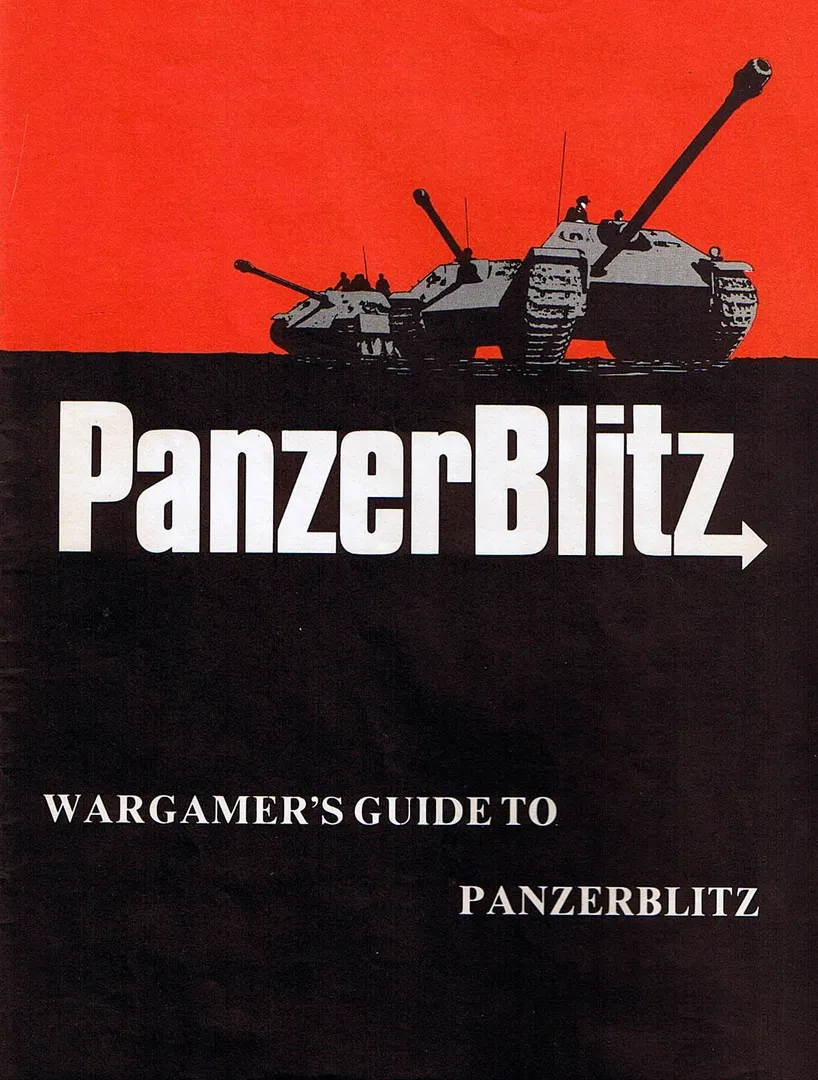
Ayuda con las reglas de Wargamer's Guide to PanzerBlitz
Explicaciones claras de turnos, efectos de cartas y situaciones dudosas, con referencias a fuentes oficiales e historial de preguntas guardado.
¿Qué quieres saber?
Las respuestas salen del reglamento oficial, con la página para comprobarlo.
Wargamer's Guide to PanzerBlitz es una expansión de PanzerBlitz publicada en 1976 para 2 jugadores. Fue diseñado por Tom Oleson y Philip S. Kosnett y sus mecánicas principales son Dice Rolling, Hexagon Grid y Simulation.






En inglés
The Wargamer's Guide to PanzerBlitz contains articles that examine various aspects of Avalon Hill's classic wargame side-by-side with variants and a host of new scenarios. It appears that a few of these articles originally appear in The General. Articles Include: Pieces of Panzerblitz (a unit by unit examination of pieces: both their historical context and how best to use them in game.) Beyond Situation 13 (More Panzerblitz scenarios - outlines Scenarios 14-25) Another Situation 13: Parablitz (Airmobile Panzerblitz) Panzernacht (Night Panzerblitz Rules) Blind Panzerblitz (Refereed-hidden-movement rules) Chopperblitz (Helicopters in Panzerblitz) Panzer Situation 13 (Another Panzerblitz Situation) More Panzerblitz Variants (As the title suggests) Commander's Note Book - Analyzing the 12 Scenarios (An analysis of the 12 Situations from PanzerBlitz) Championship Situations (Covers the Tournament Situations used for PanzerBlitz games at GenCon 4 - The GenCon where PanzerBlitz was the only game officially played) Panzerblitz Concealment (Variant to reduce the effectiveness of concealment) Incremental PanzerBlitz (Alternate movement rules). Pages: 36 Book measures: 8.5x11x.18"
Según el catálogo, Wargamer's Guide to PanzerBlitz admite 2 jugadores. Es el número de jugadores indicado por la editorial, así que el juego está diseñado exactamente para esa cantidad de participantes. Las variantes para otros tamaños de grupo, si existen, se describen en el reglamento de tu edición; consúltalo antes de preparar otra configuración.
Wargamer's Guide to PanzerBlitz tiene una puntuación de complejidad de 2,6 sobre 5 según los jugadores de BoardGameGeek, lo que lo convierte en un juego algo ligero. La puntuación refleja cuánto conocimiento de reglas, planificación y toma de decisiones exige una partida típica. Los juegos exigentes requieren una explicación inicial más larga, así que conviene usar una guía de preparación.
Wargamer's Guide to PanzerBlitz pertenece a estas categorías: Wargame, World War II y Expansion for Base-game. Sus mecánicas principales son Dice Rolling, Hexagon Grid y Simulation. Las categorías describen el tema y la ambientación de un juego, mientras que las mecánicas describen lo que los jugadores hacen realmente en su turno. Cada mecánica lleva a una página del catálogo con juegos similares.
Los autores acreditados de Wargamer's Guide to PanzerBlitz son: Tom Oleson y Philip S. Kosnett. Estos créditos proceden de los datos publicados del juego y nombran a las personas responsables de su diseño, no a ilustradores ni editoriales. Las páginas de autor de MeepleRules reúnen otros títulos de los mismos autores, algo útil cuando un juego te gusta y buscas otros parecidos.
El catálogo clasifica Wargamer's Guide to PanzerBlitz como expansión de PanzerBlitz. Las expansiones añaden contenido, reglas o escenarios al juego base y normalmente no se pueden jugar solas, así que necesitas PanzerBlitz para usarla. Comprueba que tu edición de PanzerBlitz sea compatible, porque algunas expansiones se revisaron entre ediciones.