
- Puesto en BGG
- BGG #1705
- Puntuación BGG
- 6,9
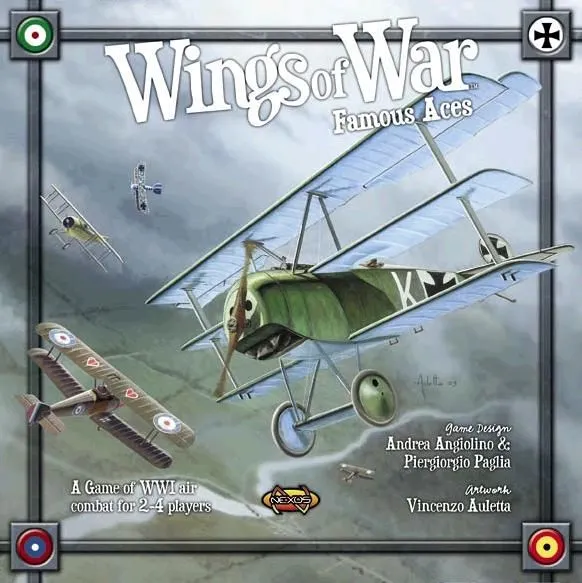
Wings of War: Famous Aces
- 2–4 jugadores
- 20 min
- Complejidad 1,7/5
- 2004
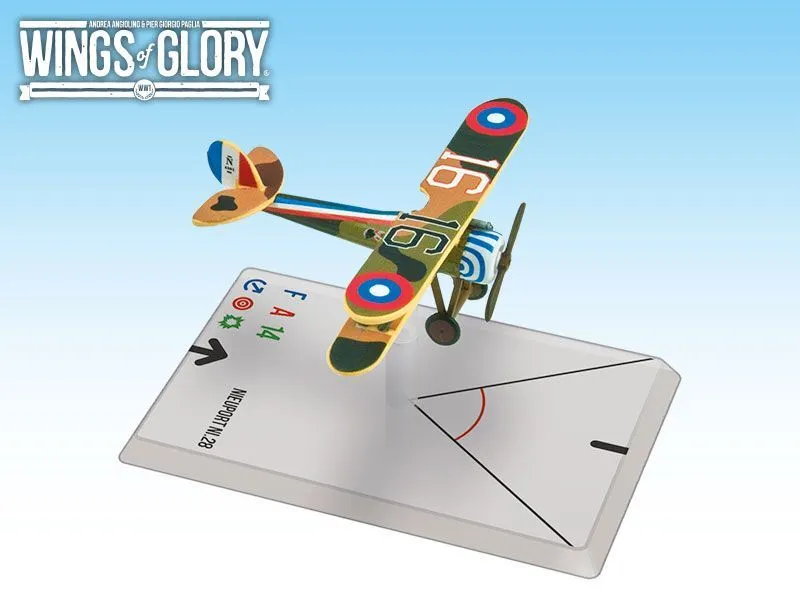
Ayuda con las reglas de Wings of Glory: World War 1 – Nieuport Ni.28
Explicaciones claras de turnos, efectos de cartas y situaciones dudosas, con referencias a fuentes oficiales e historial de preguntas guardado.
¿Qué quieres saber?
Las respuestas salen del reglamento oficial, con la página para comprobarlo.
Wings of Glory: World War 1 – Nieuport Ni.28 es una expansión de Wings of Glory: WW1 Airplane Packs publicada en 2015. Sus mecánicas principales son Simultaneous Action Selection, Simulation y Action Queue.
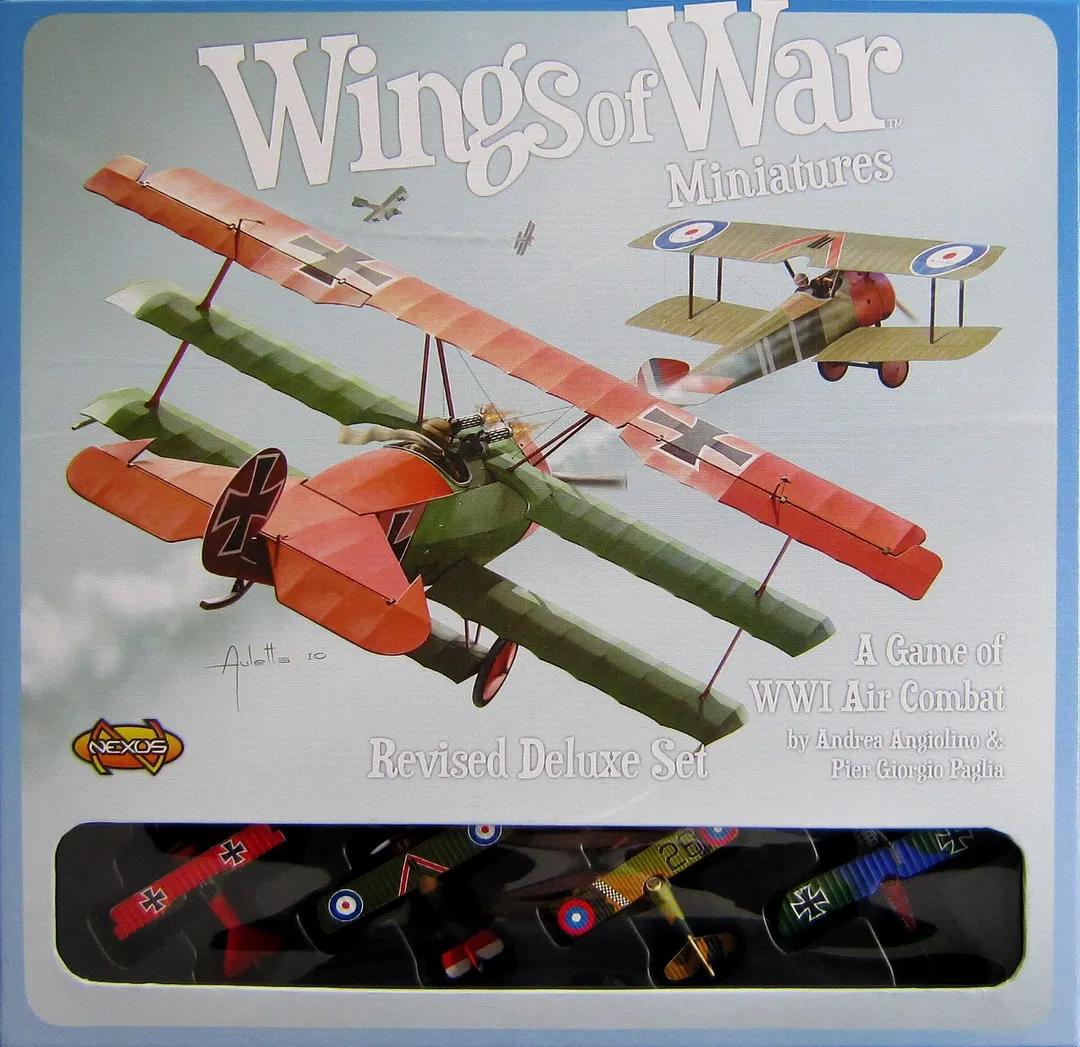
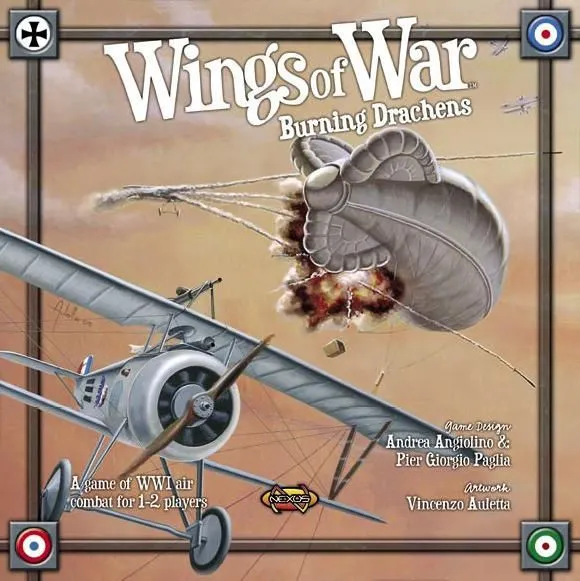
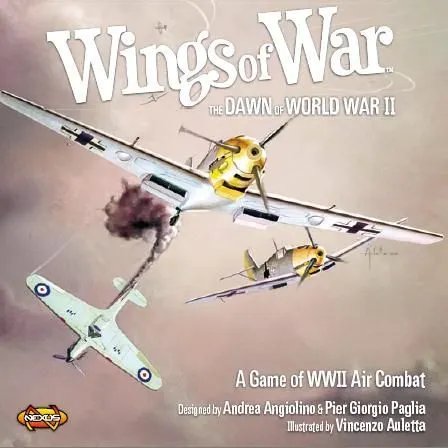

En inglés
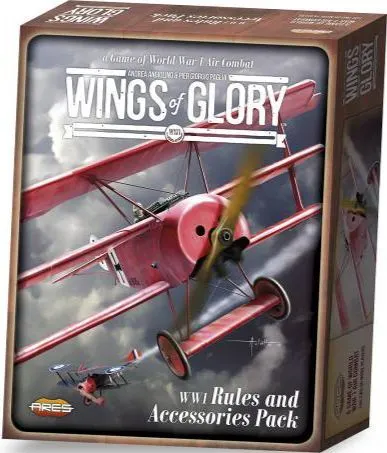
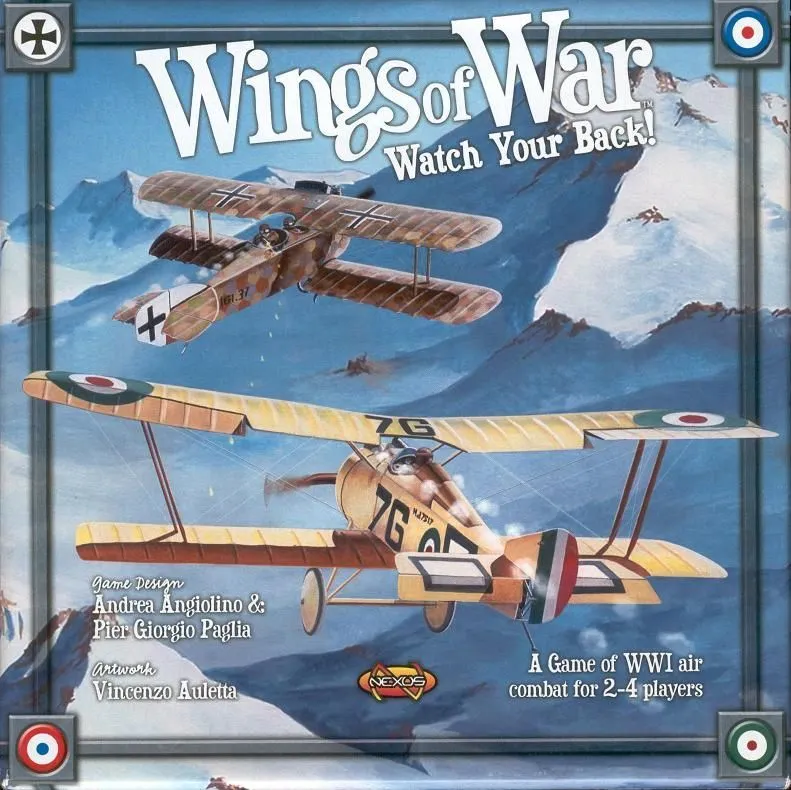
From the publisher: The Nieuport 28 was a French biplane fighter flown during World War I, designed by Gustave Delage. Owing its lineage to the successful line of sesquiplane fighters as the Nieuport 17, the Nieuport 28 continued a similar design philosophy of a lightweight and highly maneuverable aircraft. A shortage of SPADs led to the production of Nieuport 28s. It became the first aircraft to see operational service with an American fighter squadron. It was flown by famous aces such as Ralph A. O’Neil, Harold E. Hartney and Edward Rickenbacker. Designed to be used with the popular air combat game system created by Andrea Angiolino and Pier Giorgio Paglia, each WW1 Wings of Glory Airplane Pack is a ready-to-play model, painted and assembled, 100% compatible with any other WW1 Wings of Glory game product. In each pack you will find all you need to play with the airplane: a special base with gaming stats, a variable altitude flying stand, and a specific deck of maneuver cards.
Wings of Glory: World War 1 – Nieuport Ni.28 pertenece a estas categorías: Fighting, Miniatures y Expansion for Base-game. Sus mecánicas principales son Simultaneous Action Selection, Simulation y Action Queue. Las categorías describen el tema y la ambientación de un juego, mientras que las mecánicas describen lo que los jugadores hacen realmente en su turno. Cada mecánica lleva a una página del catálogo con juegos similares.
El catálogo clasifica Wings of Glory: World War 1 – Nieuport Ni.28 como expansión de Wings of Glory: WW1 Airplane Packs. Las expansiones añaden contenido, reglas o escenarios al juego base y normalmente no se pueden jugar solas, así que necesitas Wings of Glory: WW1 Airplane Packs para usarla. Comprueba que tu edición de Wings of Glory: WW1 Airplane Packs sea compatible, porque algunas expansiones se revisaron entre ediciones.