
- Puesto en BGG
- BGG #3594
- Puntuación BGG
- 6,9
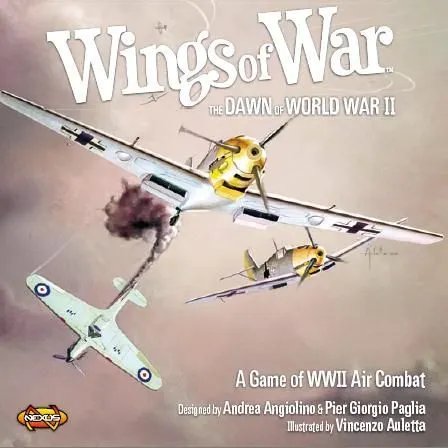
Wings of War: The Dawn of World War II
- 2–6 jugadores
- 30 min
- Complejidad 2,0/5
- 2007
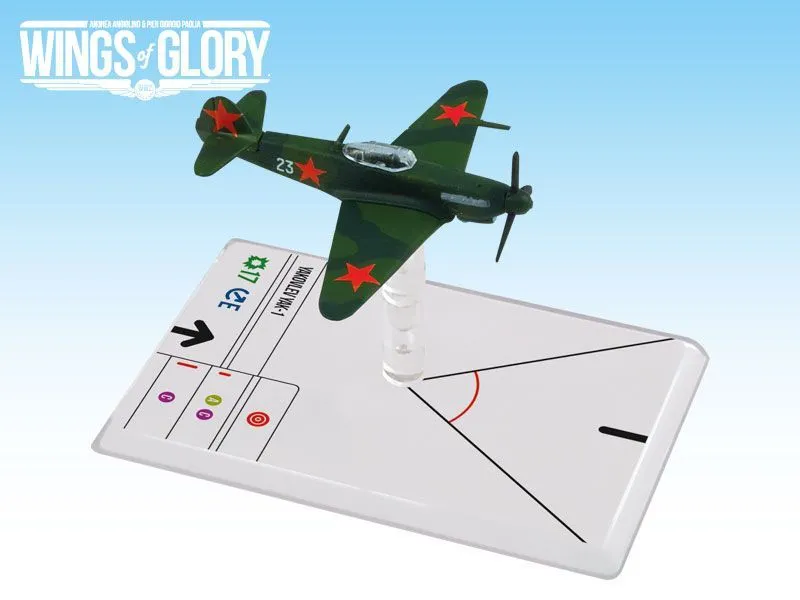
Expansión de Wings of Glory: WW2 Battle of Britain Starter Set
2012
Ayuda con las reglas de Wings of Glory: World War 2 – Yakovlev Yak-1
Explicaciones claras de turnos, efectos de cartas y situaciones dudosas, con referencias a fuentes oficiales e historial de preguntas guardado.
¿Qué quieres saber?
Las respuestas salen del reglamento oficial, con la página para comprobarlo.
Wings of Glory: World War 2 – Yakovlev Yak-1 es una expansión de Wings of Glory: WW2 Battle of Britain Starter Set publicada en 2012 para 2–99 jugadores y a partir de 14 años. Fue diseñado por Andrea Angiolino y Pier Giorgio Paglia y sus mecánicas principales son Simultaneous Action Selection y Simulation.
En inglés
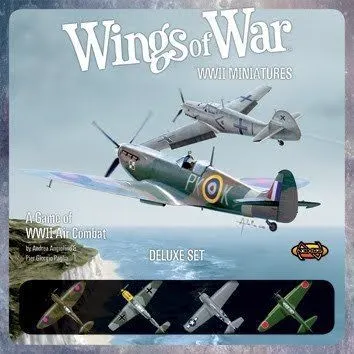
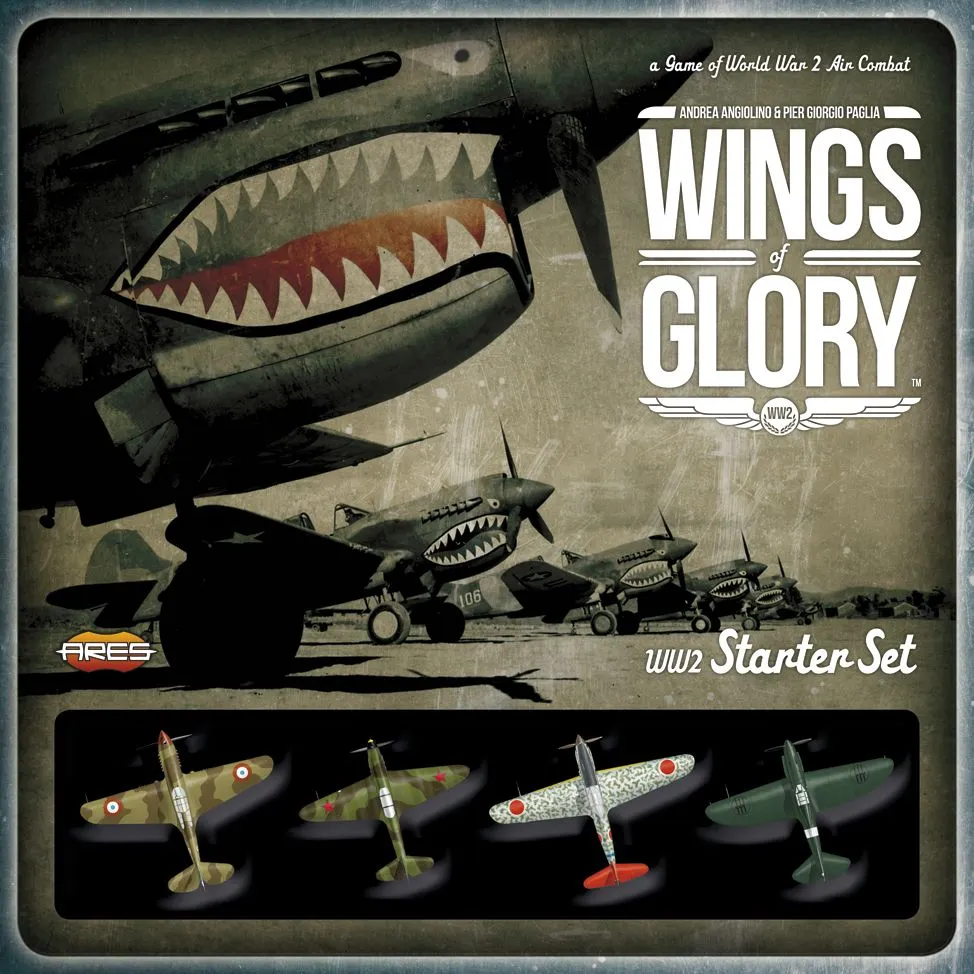
From the publisher: The Yakovlev Yak-1 was a Soviet fighter aircraft. It was extremely maneuverable, fast and well armed, and, just as importantly, it was easy to maintain and reliable. Some Soviet pilots considered it to be, in its tactical and technical characteristics, equal to the Messerschmitt Bf 109G. The Yak-1 was also employed by the elite all-female unit including the most famous fighter pilot woman of all times, Lydia Litvyak. Designed to be used with the popular air combat game system created by Andrea Angiolino and Pier Giorgio Paglia, each WW2 Wings of Glory Airplane Pack is a ready-to-play model, painted and assembled, 100% compatible with any other WW2 Wings of Glory game product. In each pack you will find all you need to play with the airplane: a special base with gaming stats, a variable altitude flying stand, and a specific deck of maneuver cards. This is not a complete game. You must own a WW2 Wings of Glory - Starter Set to play.
Según el catálogo, Wings of Glory: World War 2 – Yakovlev Yak-1 admite de 2 a 99 jugadores. Este intervalo corresponde al número de jugadores indicado por la editorial, así que el juego puede prepararse para cualquier grupo dentro de ese margen. La preparación, algunas reglas y la puntuación pueden variar según el número de jugadores; consulta la configuración exacta en el reglamento de tu edición.
El catálogo indica Wings of Glory: World War 2 – Yakovlev Yak-1 a partir de 14 años. Es la recomendación de la editorial y refleja la lectura necesaria, la complejidad de las reglas y las piezas pequeñas, no solo el tema. Los más pequeños a menudo pueden jugar con ayuda de un adulto: comprueba la edad recomendada en tu edición y la experiencia de tu grupo.
Wings of Glory: World War 2 – Yakovlev Yak-1 pertenece a estas categorías: Wargame, Miniatures y World War II. Sus mecánicas principales son Simultaneous Action Selection y Simulation. Las categorías describen el tema y la ambientación de un juego, mientras que las mecánicas describen lo que los jugadores hacen realmente en su turno. Cada mecánica lleva a una página del catálogo con juegos similares.
Los autores acreditados de Wings of Glory: World War 2 – Yakovlev Yak-1 son: Andrea Angiolino y Pier Giorgio Paglia. Estos créditos proceden de los datos publicados del juego y nombran a las personas responsables de su diseño, no a ilustradores ni editoriales. Las páginas de autor de MeepleRules reúnen otros títulos de los mismos autores, algo útil cuando un juego te gusta y buscas otros parecidos.
El catálogo clasifica Wings of Glory: World War 2 – Yakovlev Yak-1 como expansión de Wings of Glory: WW2 Battle of Britain Starter Set. Las expansiones añaden contenido, reglas o escenarios al juego base y normalmente no se pueden jugar solas, así que necesitas Wings of Glory: WW2 Battle of Britain Starter Set para usarla. Comprueba que tu edición de Wings of Glory: WW2 Battle of Britain Starter Set sea compatible, porque algunas expansiones se revisaron entre ediciones.