
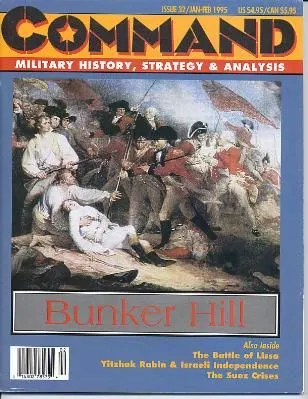
- Rang BGG
- BGG #23 385
- Note BGG
- 6,0
Bunker Hill
- 2 joueurs
- 120 min
- Complexité 3,0/5
- 1995
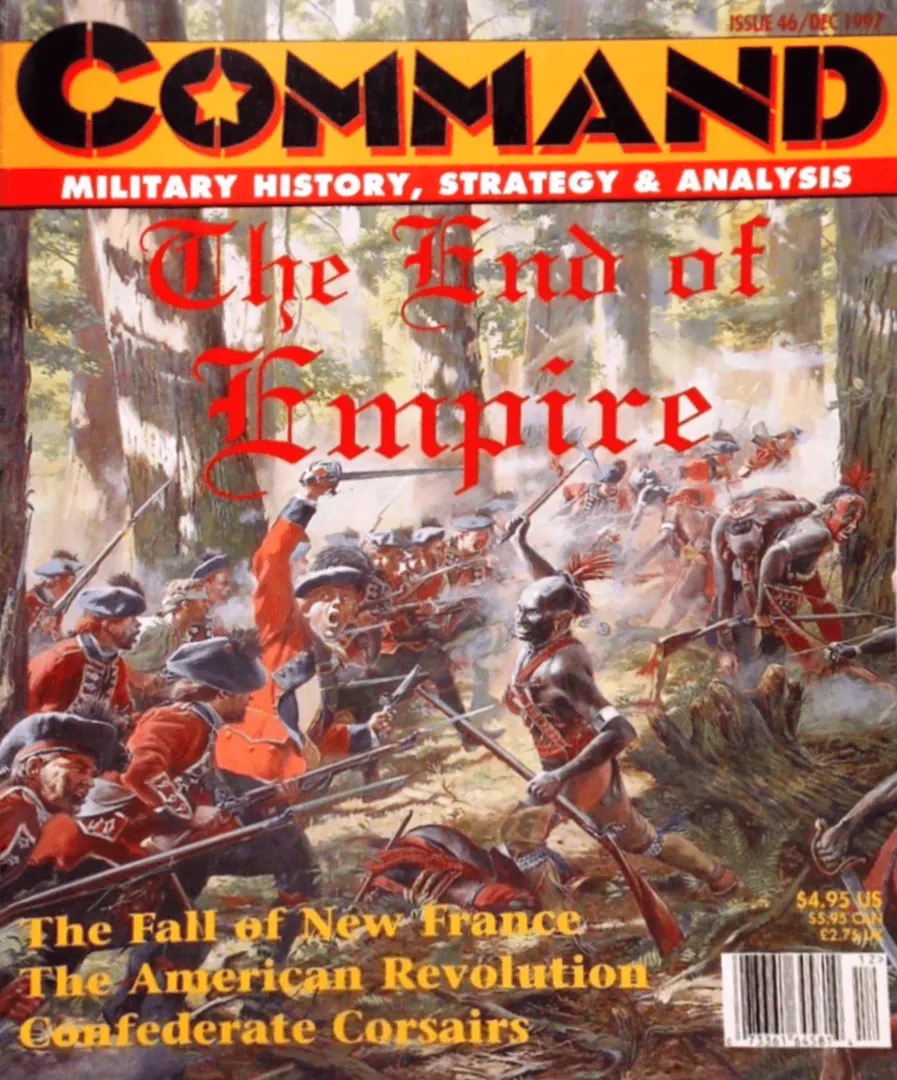
1997
Aide aux règles de End of Empire: The French and Indian War and the American Revolution
Des explications claires des tours, effets de cartes et situations litigieuses, avec des références aux sources officielles et un historique des questions sauvegardé.
Pour 2 joueurs
Que voulez-vous savoir ?
Les réponses viennent du livret officiel, avec la page à vérifier.
End of Empire: The French and Indian War and the American Revolution est un jeu de société sorti en 1997 pour 2 joueurs et à partir de 12 ans. Il a été conçu par William Marsh et ses principales mécaniques sont Dice Rolling, Hexagon Grid et Simulation.
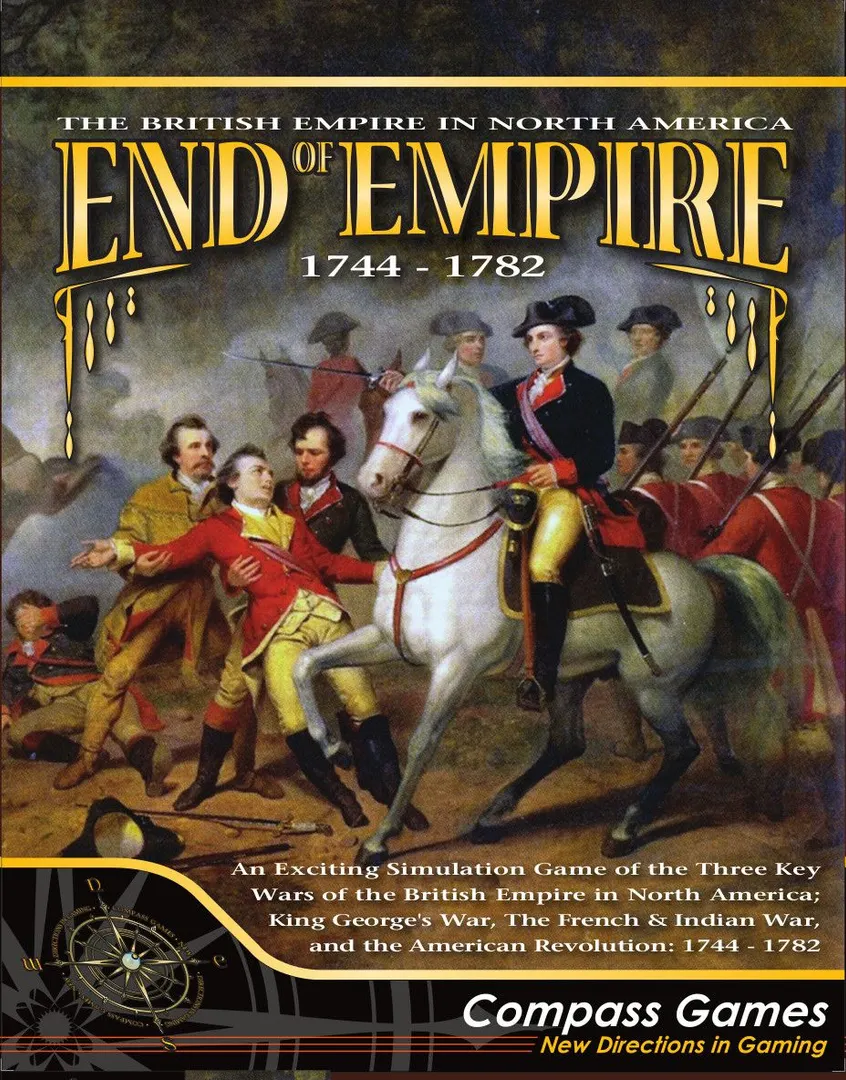
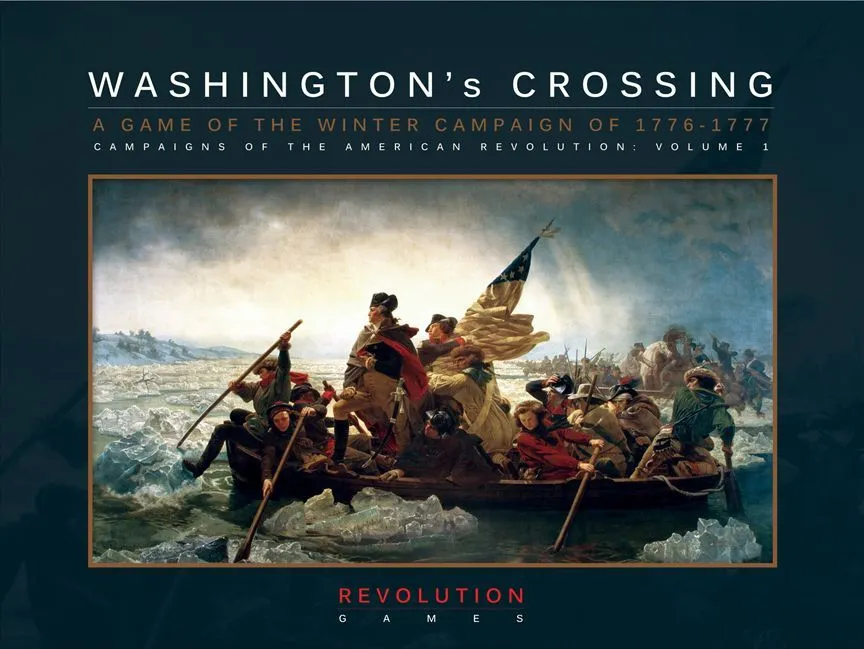
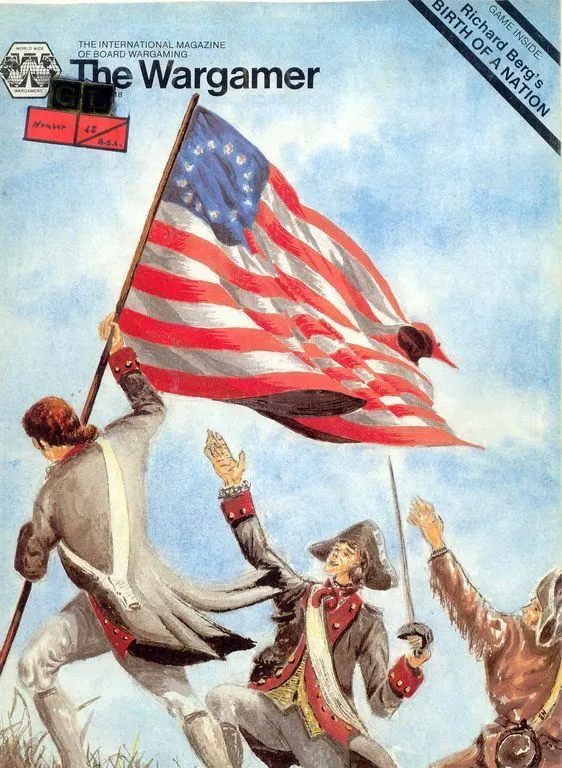
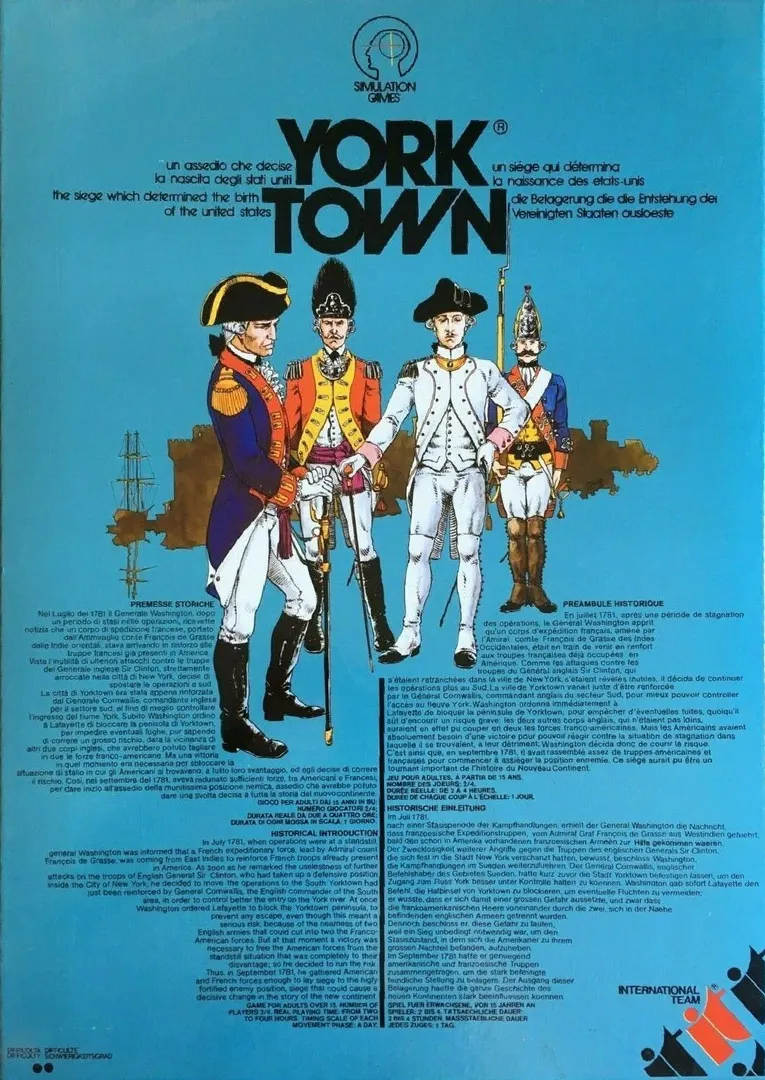
En anglais
End of Empire: The French and Indian War and the American Revolution is a two-player game covering the great conflicts fought on the North American continent between 1744 and 1783: King George's War, sometimes known as the Old French War, which was part of the War of the Austrian Succession); the French and Indian War; part of the Seven Years War (known in England as the Great War for Empire); and the American Revolutionary War. The French and Indian War ended the French Empire in Canada; the American Revolution ended the British Empire in the thirteen American colonies. End of Empire is an epic game, providing the most detailed coverage of the critical period that saw the Empires of England, France, and Spain exit North America and the rise of the United States of America.
Selon le catalogue, End of Empire: The French and Indian War and the American Revolution se joue à 2 personnes. C’est le nombre de joueurs indiqué par l’éditeur : le jeu est donc conçu pour exactement ce nombre de participants. Les variantes pour d’autres tailles de groupe, s’il en existe, sont décrites dans la règle de votre édition ; consultez-la avant d’installer une autre configuration.
Le catalogue indique End of Empire: The French and Indian War and the American Revolution à partir de 12 ans. C’est la recommandation de l’éditeur ; elle tient compte de la lecture nécessaire, de la complexité des règles et des petits composants, pas seulement du thème. Les plus jeunes peuvent souvent participer avec l’aide d’un adulte : vérifiez l’âge indiqué sur votre édition et tenez compte de l’expérience de votre groupe.
End of Empire: The French and Indian War and the American Revolution obtient une note de complexité de 3,1 sur 5 auprès des joueurs de BoardGameGeek, ce qui en fait un jeu de complexité moyenne. Cette note reflète la quantité de règles, de planification et de décisions qu’exige une partie typique. Prévoyez une explication plus longue pour les jeux exigeants et utilisez un guide de préparation avant la soirée.
End of Empire: The French and Indian War and the American Revolution appartient à ces catégories : Wargame, Age of Reason et American Revolutionary War. Ses principales mécaniques sont Dice Rolling, Hexagon Grid et Simulation. Les catégories décrivent le thème et l’univers d’un jeu, tandis que les mécaniques décrivent ce que les joueurs font réellement pendant leur tour. Chaque mécanique mène à une page du catalogue avec des jeux similaires.
Les auteurs crédités pour End of Empire: The French and Indian War and the American Revolution sont : William Marsh. Ces crédits proviennent des données publiées du jeu et désignent les personnes responsables de sa conception, et non les illustrateurs ou les éditeurs. Les pages d’auteurs sur MeepleRules regroupent les autres titres des mêmes auteurs, ce qui est utile lorsqu’un jeu vous plaît et que vous en cherchez de similaires.
Le catalogue présente End of Empire: The French and Indian War and the American Revolution comme un jeu de base. Il se joue seul avec le matériel contenu dans la boîte et ne nécessite aucun autre titre. Les extensions, s’il en existe, y ajoutent du contenu ou des règles et sont répertoriées séparément dans le catalogue, avec un lien vers ce jeu de base.