
- Rang BGG
- BGG #15 355
- Note BGG
- 7,0
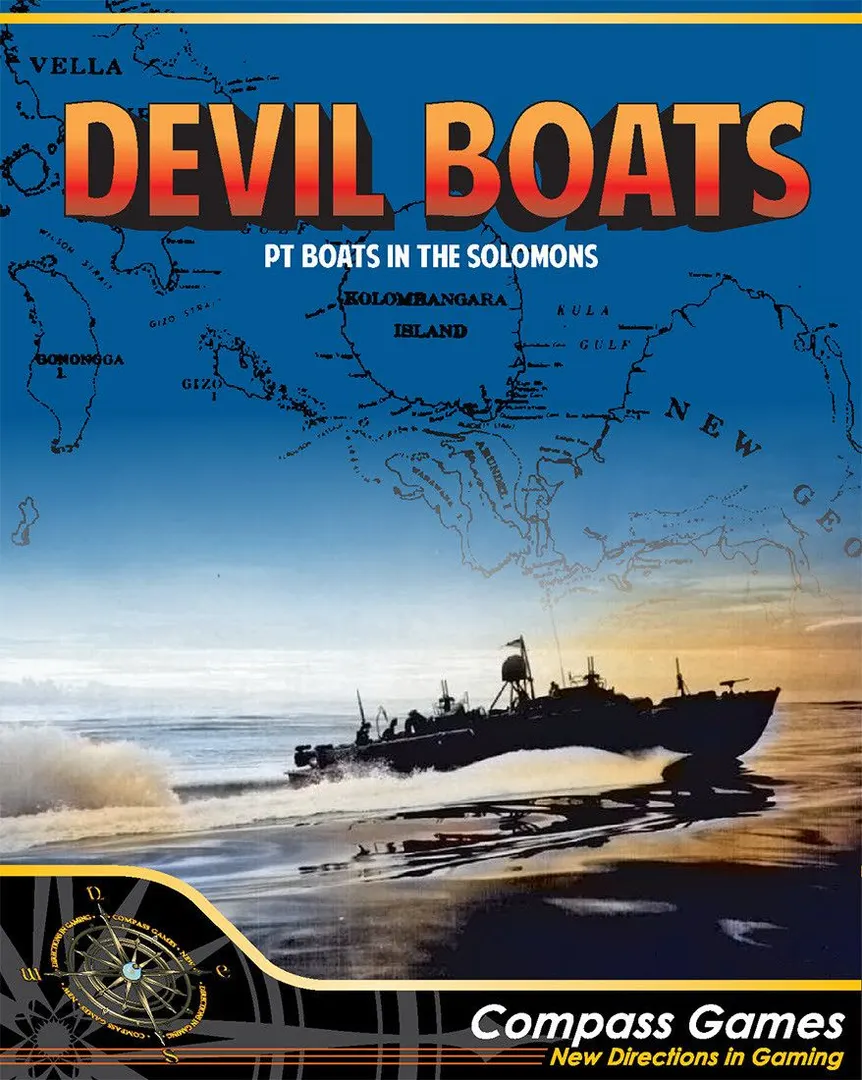
Devil Boats: PT Boats in the Solomons
- 1 joueur
- 15–60 min
- Complexité 2,7/5
- 2021
2025
Aide aux règles de Golden Age of Piracy: 1718
Des explications claires des tours, effets de cartes et situations litigieuses, avec des références aux sources officielles et un historique des questions sauvegardé.
Pour 1 joueur
Que voulez-vous savoir ?
Les réponses viennent du livret officiel, avec la page à vérifier.
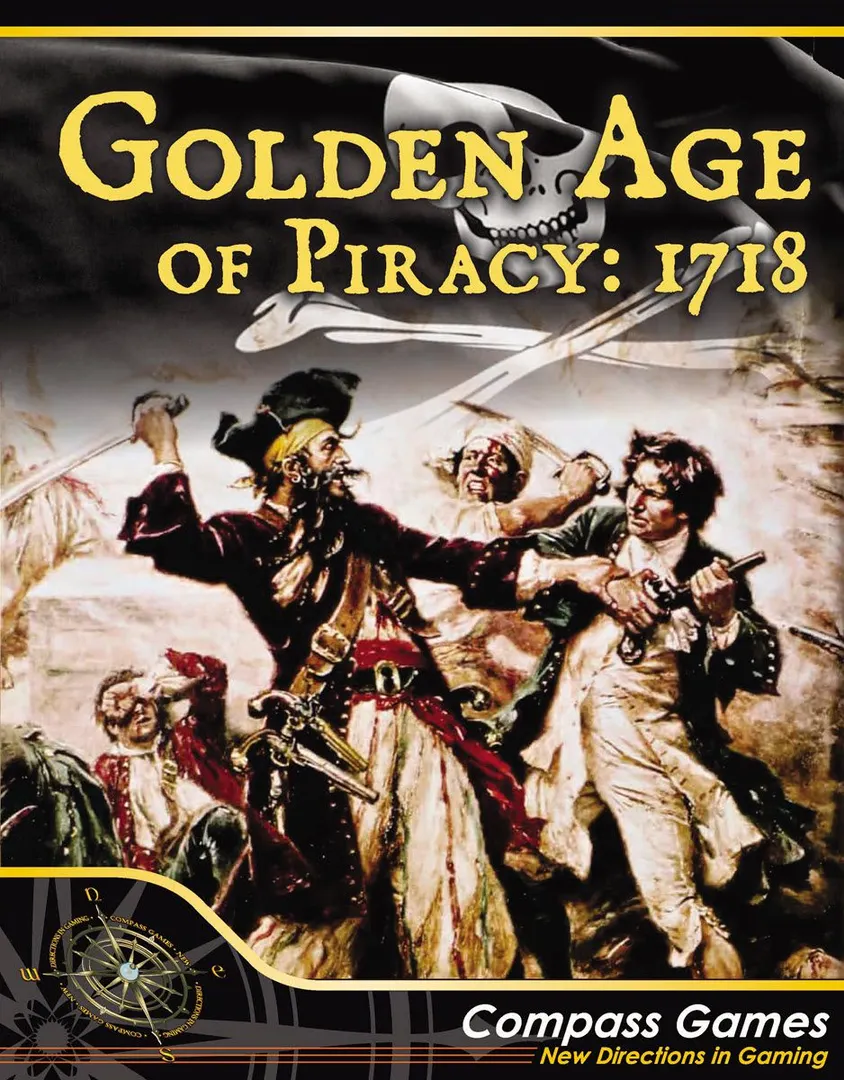
Golden Age of Piracy: 1718 est un jeu de société sorti en 2025 pour 1 joueur, avec des parties de 480 à 1000 minutes et à partir de 12 ans. Il a été conçu par Joe Carter et ses principales mécaniques sont Push Your Luck, Dice Rolling et Role Playing.



En anglais
The Golden Age of Piracy - 1718 is an old-school style Tactical level Solitaire board-wargame of action and adventure, with a bit of wargame and RPG elements mixed in. An open-ended sandbox style game where the pirate captain may choose his own path. Set in the Caribbean Islands during the year 1718, as a pirate captain, you will attempt to build your wealth by attacking merchant ships and selling their goods, by attacking and pillaging towns, kidnapping or assassinating a town governor or his daughter, gambling in a tavern, and by recovering buried treasure from acquired maps. The player moves his pirate ship's game counter across the Caribbean map, traveling around and searching for merchant ships to take attack, visiting the pirate town of Nassau to buy and sell goods, plus repair the ship. The player may also construct a hidden pirate haven where he may store stolen goods and booty, plus repair his ship at no cost. The ultimate goal of the game is to save up enough booty in order to buy your pardon before the Royal Navy invades Nassau. Will you succeed, or be hanged for piracy? —description from the designer
Selon le catalogue, Golden Age of Piracy: 1718 se joue à 1 personne. C’est le nombre de joueurs indiqué par l’éditeur : le jeu est donc conçu pour exactement ce nombre de participants. Les variantes pour d’autres tailles de groupe, s’il en existe, sont décrites dans la règle de votre édition ; consultez-la avant d’installer une autre configuration.
La durée indiquée pour Golden Age of Piracy: 1718 est de 480 à 1000 minutes, selon l’estimation de l’éditeur pour une partie complète. La durée réelle dépend du groupe, de l’effectif et de la connaissance des règles : les premières parties sont plus longues, les groupes expérimentés terminent plus vite. Mise en place et explication des règles ne sont pas comprises.
Le catalogue indique Golden Age of Piracy: 1718 à partir de 12 ans. C’est la recommandation de l’éditeur ; elle tient compte de la lecture nécessaire, de la complexité des règles et des petits composants, pas seulement du thème. Les plus jeunes peuvent souvent participer avec l’aide d’un adulte : vérifiez l’âge indiqué sur votre édition et tenez compte de l’expérience de votre groupe.
Golden Age of Piracy: 1718 obtient une note de complexité de 2,3 sur 5 auprès des joueurs de BoardGameGeek, ce qui en fait un jeu plutôt léger. Cette note reflète la quantité de règles, de planification et de décisions qu’exige une partie typique. Prévoyez une explication plus longue pour les jeux exigeants et utilisez un guide de préparation avant la soirée.
Golden Age of Piracy: 1718 appartient à ces catégories : Wargame, Print & Play et Adventure. Ses principales mécaniques sont Push Your Luck, Dice Rolling et Role Playing. Les catégories décrivent le thème et l’univers d’un jeu, tandis que les mécaniques décrivent ce que les joueurs font réellement pendant leur tour. Chaque mécanique mène à une page du catalogue avec des jeux similaires.
Les auteurs crédités pour Golden Age of Piracy: 1718 sont : Joe Carter. Ces crédits proviennent des données publiées du jeu et désignent les personnes responsables de sa conception, et non les illustrateurs ou les éditeurs. Les pages d’auteurs sur MeepleRules regroupent les autres titres des mêmes auteurs, ce qui est utile lorsqu’un jeu vous plaît et que vous en cherchez de similaires.
Le catalogue présente Golden Age of Piracy: 1718 comme un jeu de base. Il se joue seul avec le matériel contenu dans la boîte et ne nécessite aucun autre titre. Les extensions, s’il en existe, y ajoutent du contenu ou des règles et sont répertoriées séparément dans le catalogue, avec un lien vers ce jeu de base.