

- Rang BGG
- BGG #6 860
- Note BGG
- 6,9
GOSU 2: Tactics
2–4 joueurs45 min2012
Complexité 2,4/5

Aide aux règles de Gosu: Kamakor
Des explications claires des tours, effets de cartes et situations litigieuses, avec un historique des questions sauvegardé.
Que voulez-vous savoir ?
Les réponses viennent du livret officiel, avec la page à vérifier.
Gosu: Kamakor est une extension de GOSU sortie en 2011 pour 2 à 4 joueurs, avec des parties de 20 minutes et à partir de 10 ans. Il a été conçu par Kim Satô et ses principales mécaniques sont Hand Management et Open Drafting.
2–4 joueurs45 min2012
2–5 joueurs45 min2015
2 joueurs30 min2024
1–4 joueurs30–120 min2020
1–4 joueurs40–80 min2018

1–4 joueurs60 min2016
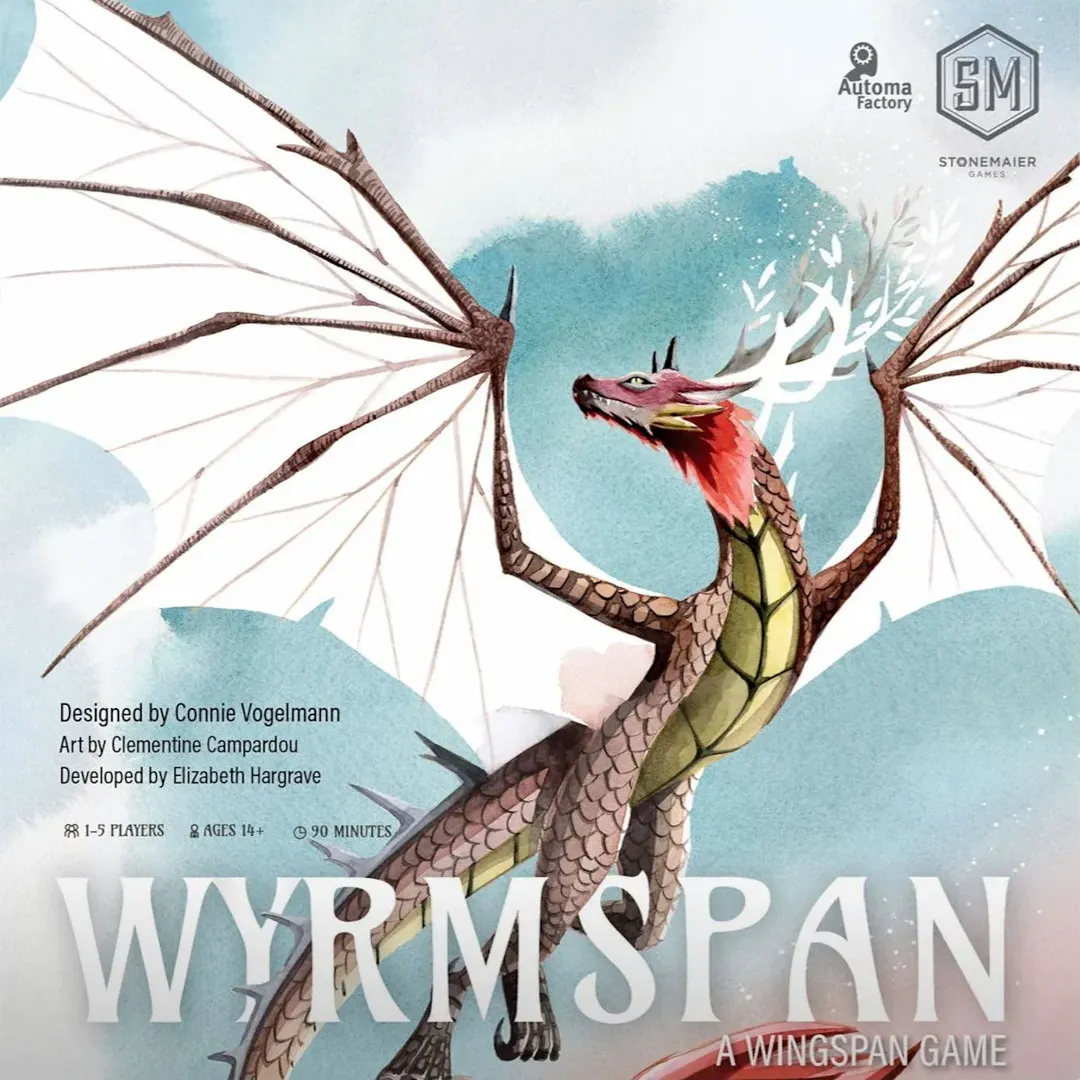
1–5 joueurs90 min2024
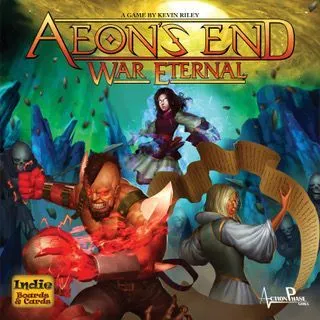
1–4 joueurs60 min2017
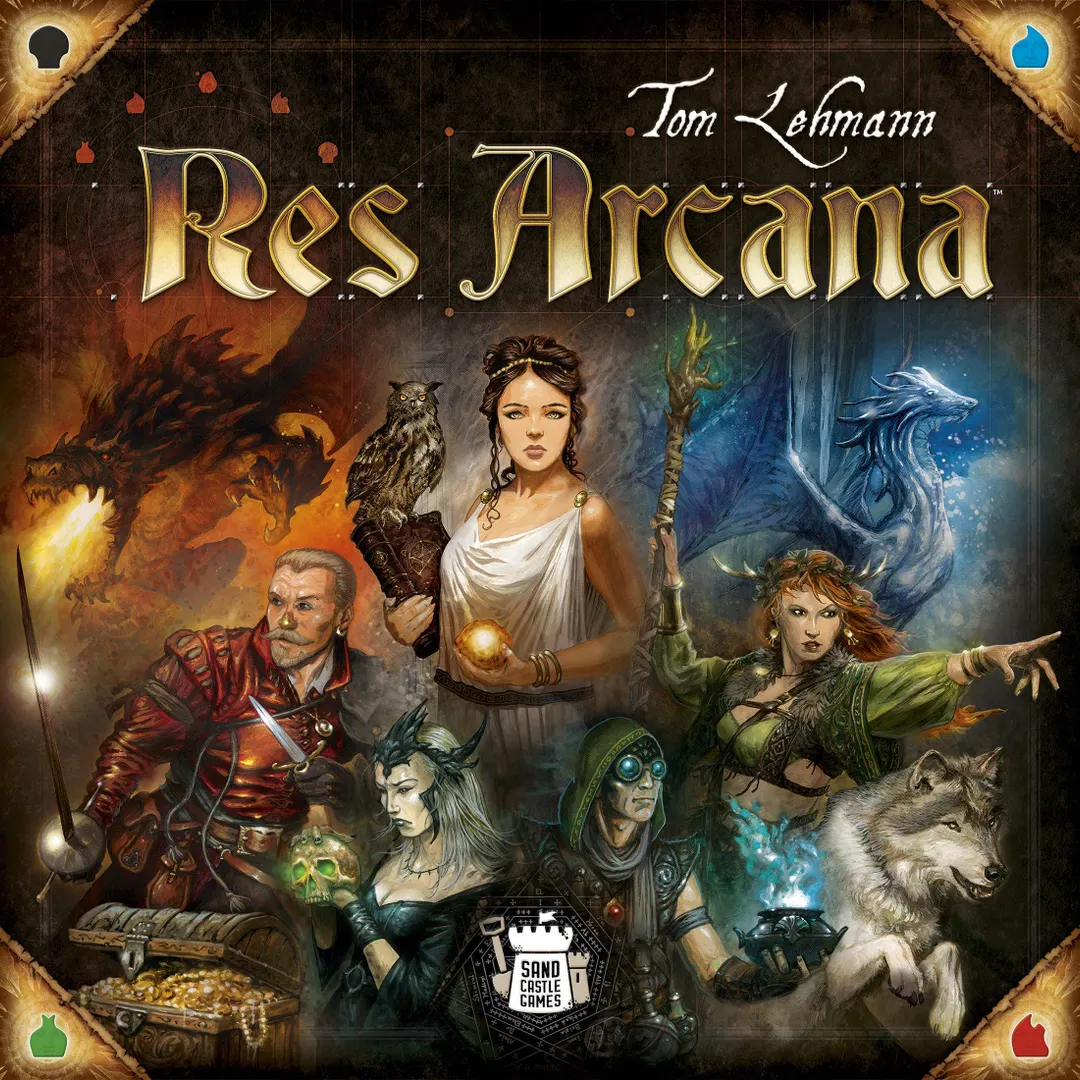
2–4 joueurs30–60 min2019
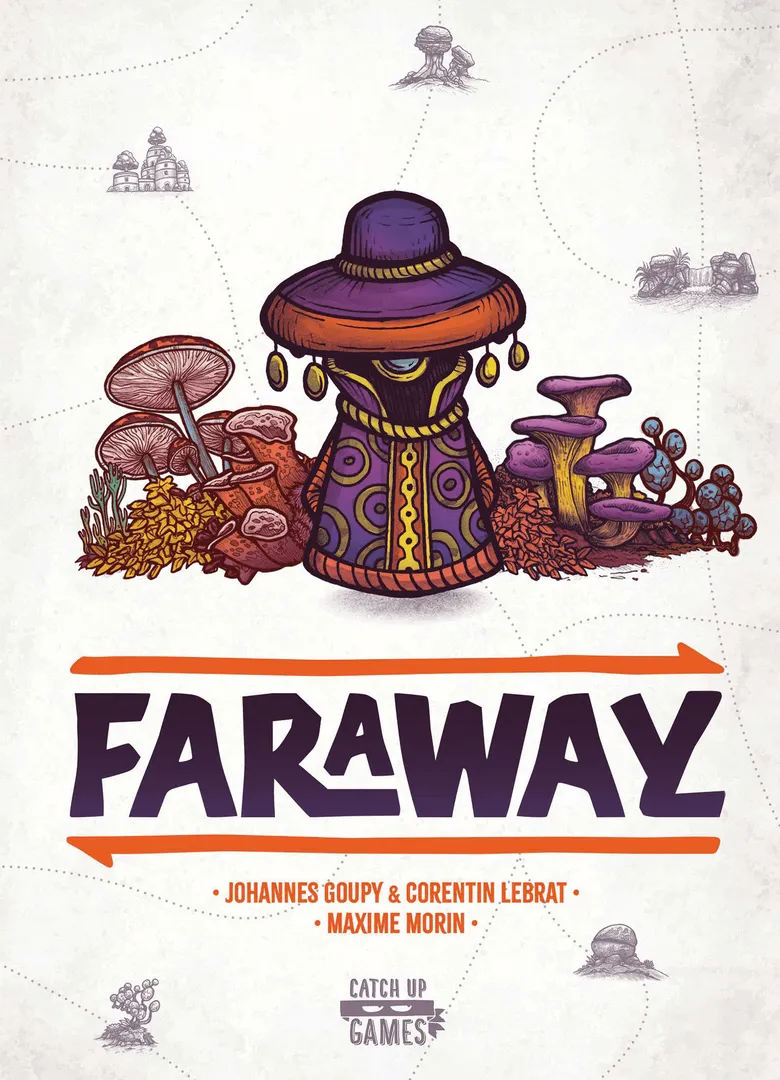
2–6 joueurs25 min2023
1–4 joueurs45–90 min2019
2–6 joueurs20 min2017
En anglais
The Shadow Goblins come from the other side of The Portal! Which Portal will you ask? As you know, the Dark Goblins that you discovered in the main game have a trapping power. When they use it, as you may see on some artworks, the trapped goblin is in effect thrown out through The Portal. For decades now, returning goblins have reported having encountered members of a mysterious and frightening goblin clan … The Shadow Clan! These goblins are very similar to the Dark Goblins, mainly because of the two powers they have in common: Trapping and Zombie Mutation. These new goblins will also bring along two new types of gameplay. First of all, some of these goblins will arrive in play already trapped, compensating for a greater power. Secondly, other goblins will introduce a new kind of action during his turn, like [*Trap Zäxg* : Choose 1 FREE card then destroy it.]. In this example, your action will be to trap Zäxg for free in order to destroy a card. This action is free and only requires the trapping of the goblin card having the power. From the designer's website: http://www.moonstergames.com/2010/10/06/gosu-les-gobelins-de-lombre-the-shadow-goblins/ Online Play Board Game Arena (real-time)
Selon le catalogue, Gosu: Kamakor se joue de 2 à 4 personnes. Cette fourchette correspond au nombre de joueurs indiqué par l’éditeur : le jeu s’installe donc pour toute taille de groupe dans cette limite. La mise en place, certaines règles et le décompte peuvent varier selon l’effectif ; vérifiez la configuration exacte dans la règle de votre édition.
La durée indiquée pour Gosu: Kamakor est de 20 minutes, selon l’estimation de l’éditeur pour une partie complète. La durée réelle dépend du groupe, de l’effectif et de la connaissance des règles : les premières parties sont plus longues, les groupes expérimentés terminent plus vite. Mise en place et explication des règles ne sont pas comprises.
Le catalogue indique Gosu: Kamakor à partir de 10 ans. C’est la recommandation de l’éditeur ; elle tient compte de la lecture nécessaire, de la complexité des règles et des petits composants, pas seulement du thème. Les plus jeunes peuvent souvent participer avec l’aide d’un adulte : vérifiez l’âge indiqué sur votre édition et tenez compte de l’expérience de votre groupe.
Gosu: Kamakor obtient une note de complexité de 2,8 sur 5 auprès des joueurs de BoardGameGeek, ce qui en fait un jeu plutôt léger. Cette note reflète la quantité de règles, de planification et de décisions qu’exige une partie typique. Prévoyez une explication plus longue pour les jeux exigeants et utilisez un guide de préparation avant la soirée.
Gosu: Kamakor appartient à ces catégories : Card Game, Fantasy et Expansion for Base-game. Ses principales mécaniques sont Hand Management et Open Drafting. Les catégories décrivent le thème et l’univers d’un jeu, tandis que les mécaniques décrivent ce que les joueurs font réellement pendant leur tour. Chaque mécanique mène à une page du catalogue avec des jeux similaires.
Les auteurs crédités pour Gosu: Kamakor sont : Kim Satô. Ces crédits proviennent des données publiées du jeu et désignent les personnes responsables de sa conception, et non les illustrateurs ou les éditeurs. Les pages d’auteurs sur MeepleRules regroupent les autres titres des mêmes auteurs, ce qui est utile lorsqu’un jeu vous plaît et que vous en cherchez de similaires.
Le catalogue présente Gosu: Kamakor comme une extension de GOSU. Les extensions ajoutent du contenu, des règles ou des scénarios au jeu de base et ne se jouent généralement pas seules : il vous faut donc GOSU pour l’utiliser. Vérifiez que votre édition de GOSU est compatible, car certaines extensions ont été révisées d’une édition à l’autre.
