
- Note BGG
- 8,2
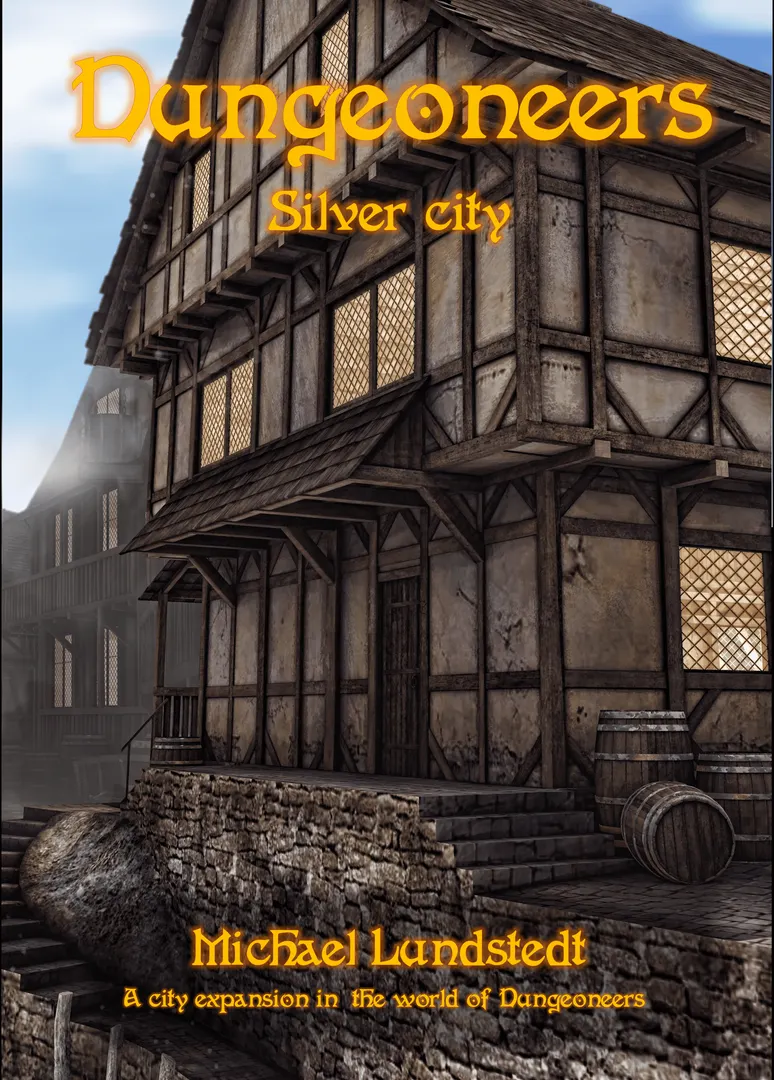
Dungeoneers: Silver City
- 1–4 joueurs
- 90–180 min
- 2021
2022
Aide aux règles de League of Dungeoneers
Des explications claires des tours, effets de cartes et situations litigieuses, avec des références aux sources officielles et un historique des questions sauvegardé.
Pour 1 joueur
Que voulez-vous savoir ?
Les réponses viennent du livret officiel, avec la page à vérifier.
League of Dungeoneers est un jeu de société sorti en 2022 pour 1 à 4 joueurs, avec des parties de 90 à 180 minutes et à partir de 14 ans. Il a été conçu par Michael Lundstedt et ses principales mécaniques sont Dice Rolling, Square Grid et Paper-and-Pencil.




En anglais
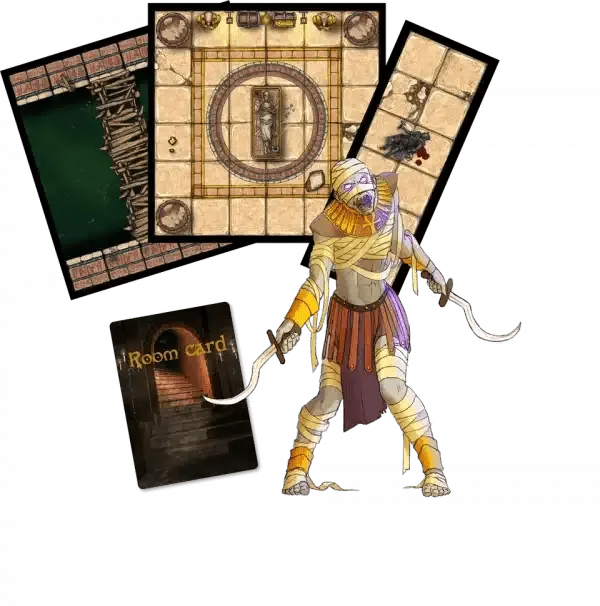
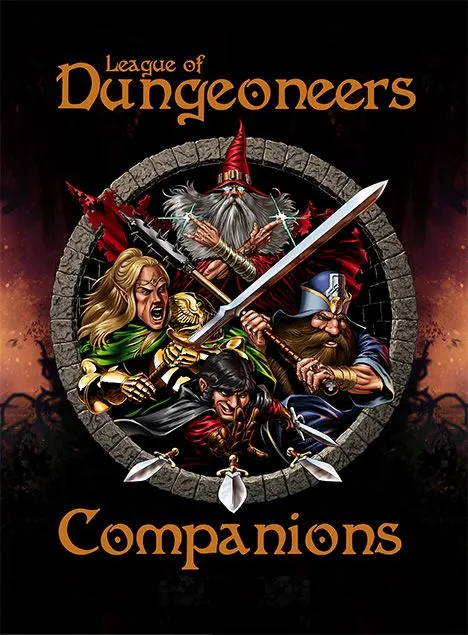
League of Dungeoneers (LoD) is a detailed Dungeon Crawl and party management game. The game is designed to be a solo/coop game but could be played with a game master as well. The main task of the game is to develop your characters both by gaining experience but also by finding gold, equipment, magic and legendary items that can help you in your quest. The game is set in its own fantasy universe, containing many of the races and monsters that you would expect from a classical fantasy setting. You could either run the campaign supplied with the game or run any of the 22 single quests. All dungeons are procedurally generated, and all monsters and treasures are randomized making the quests different every time you play them. There is however a theme for each quest you embark upon so don’t expect to find a goblin among the undead in a crypt. There are more than 50 different room and corridor tiles, each with details about furniture and 5 different large seized objective rooms. All rooms have different furniture and a chest is likely to contain gold or magic items, where for instance a bookshelf is more likely to contain magical scrolls. Party morale and sanity are two important factors to monitor in the game. Meeting fearsome monsters and springing deadly traps will take its toll on the mental state of your heroes and too much strain will give your heroes unwanted disorders such as claustrophobia, arachnophobia or stress syndromes. This will make them less effective and maybe even a liability for the rest of the party. To remedy this, you will need to rest in between quests. If you can’t afford to rest due to lack of funds, maybe that stressed out Dwarf will have to stay behind during the next quest, forcing you to solve the task with a skeleton crew. Characters are designed around several stats such as strength and dexterity but also around skills such as Pick lock or Heal. Depending on their profession the heroes will excel in some of these, while being quite useless in other. Through levelling, you will also unlock talents which will boost certain areas of your character and perks which are powerful boosts that can be used a limited number of times. There are more than 100 talents and perks in the game. As your heroes levels up, the monsters they meet will be tougher as well. Combat is an essential part of the game and is designed to promote movement and prevent those bogged down battles of attrition. With several types of attacks available, both for monsters and heroes, combat becomes more flexible and less of a chore. Add to this the decision if you should evoke that special perk that could change the outcome of the battle or save it to the next. Finally, each dungeon has a threat level. This will increase as the Dungeoneers make their way through he dungeon. Making noises such as bashing down a door, or maybe screaming because of your stress syndrome, is a bad idea. This will increase the threat level, which in turn increases the chances of something bad happening. Maybe you will trigger a wandering group of monsters or set of a trap? It can also give the monsters unexpected boosts during combat. I've have received some question and I thought I would make some clarifications: Complexity: Medium+ I would say. There is quite a lot of information defining each character which of course makes things more complex. However, the actual gameplay is pretty straight forward once you get the hang of it. A gaming session can easily be paused by just taking a picture of the setup. What miniatures can I use?: You can use tokens, standees or any other miniatures you have. The tiles are supplied with miniatures about 28mm with a 25mm base in mind but can of course be scaled to any scale you want to. How many different kinds of monsters are there?: A little more than 80. Some of these are variants, such as Orc, Orc brute and Orc berserker for instance. There are also several special characters that you will face during the quests not included in this list. Can I use other tiles or a 3D-printed dungeon with this game?: Yes! This is a simple matter of making your own rooms and corridors table. There is even a template for this in the files section. This game does not focus on stream lining, but rather on creating a detailed dungeon crawler experience. It will require more on the behalf of the player than some of the more modern designs, but for me it's the perfect level of detail. -description from designer
Selon le catalogue, League of Dungeoneers se joue de 1 à 4 personnes. Cette fourchette correspond au nombre de joueurs indiqué par l’éditeur : le jeu s’installe donc pour toute taille de groupe dans cette limite. La mise en place, certaines règles et le décompte peuvent varier selon l’effectif ; vérifiez la configuration exacte dans la règle de votre édition.
La durée indiquée pour League of Dungeoneers est de 90 à 180 minutes, selon l’estimation de l’éditeur pour une partie complète. La durée réelle dépend du groupe, de l’effectif et de la connaissance des règles : les premières parties sont plus longues, les groupes expérimentés terminent plus vite. Mise en place et explication des règles ne sont pas comprises.
Le catalogue indique League of Dungeoneers à partir de 14 ans. C’est la recommandation de l’éditeur ; elle tient compte de la lecture nécessaire, de la complexité des règles et des petits composants, pas seulement du thème. Les plus jeunes peuvent souvent participer avec l’aide d’un adulte : vérifiez l’âge indiqué sur votre édition et tenez compte de l’expérience de votre groupe.
League of Dungeoneers obtient une note de complexité de 4,2 sur 5 auprès des joueurs de BoardGameGeek, ce qui en fait un jeu exigeant. Cette note reflète la quantité de règles, de planification et de décisions qu’exige une partie typique. Prévoyez une explication plus longue pour les jeux exigeants et utilisez un guide de préparation avant la soirée.
League of Dungeoneers appartient à ces catégories : Fantasy, Fighting et Print & Play. Ses principales mécaniques sont Dice Rolling, Square Grid et Paper-and-Pencil. Les catégories décrivent le thème et l’univers d’un jeu, tandis que les mécaniques décrivent ce que les joueurs font réellement pendant leur tour. Chaque mécanique mène à une page du catalogue avec des jeux similaires.
Les auteurs crédités pour League of Dungeoneers sont : Michael Lundstedt. Ces crédits proviennent des données publiées du jeu et désignent les personnes responsables de sa conception, et non les illustrateurs ou les éditeurs. Les pages d’auteurs sur MeepleRules regroupent les autres titres des mêmes auteurs, ce qui est utile lorsqu’un jeu vous plaît et que vous en cherchez de similaires.
Le catalogue présente League of Dungeoneers comme un jeu de base. Il se joue seul avec le matériel contenu dans la boîte et ne nécessite aucun autre titre. Les extensions, s’il en existe, y ajoutent du contenu ou des règles et sont répertoriées séparément dans le catalogue, avec un lien vers ce jeu de base.