

- Rang BGG
- BGG #2 203
- Note BGG
- 7,0
Capital Lux
- 2–4 joueurs
- 30 min
- Complexité 2,0/5
- 2016
2014
Aide aux règles de Mangrovia
Des explications claires des tours, effets de cartes et situations litigieuses, avec des références aux sources officielles et un historique des questions sauvegardé.
Pour 2 joueurs
Que voulez-vous savoir ?
Les réponses viennent du livret officiel, avec la page à vérifier.
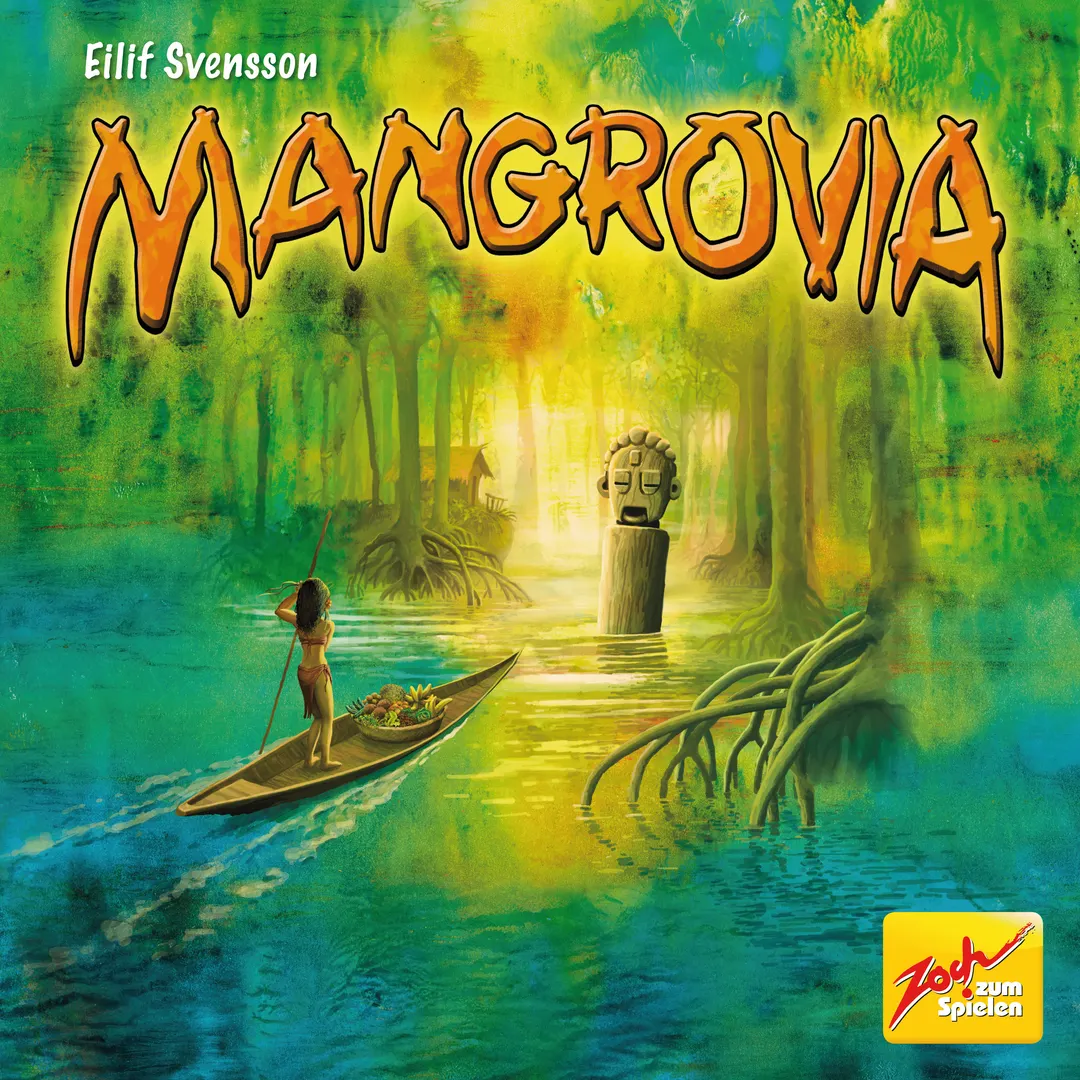
Mangrovia est un jeu de société sorti en 2014 pour 2 à 5 joueurs, avec des parties de 75 minutes et à partir de 10 ans. Il a été conçu par Eilif Svensson et ses principales mécaniques sont Hand Management, Area Majority / Influence et Variable Phase Order.


En anglais
In Mangrovia, a light "gamer's game"/family game with a Caribbean mangrove setting, a clever role selection mechanism allows the players to choose two different bonuses/actions as well as the turn order in which they want these actions to be carried out — all by placing just one marker. Victory is achievable through a number of viable options, which guarantees high re-playability. The game is a fight over acquiring the best locations for your huts in this appealing and unspoiled landscape. If you manage to do so, you will become the rightful successor of the old chief and win the game. You gain Chief points by having the most huts (and the secondmost huts) along each of the eight divine paths monitored by the statues of Gods. Additional Chief points are earned by controlling sacred locations, by collecting amulets, and simply by building huts at lucrative spaces. Building a hut requires that the space's landscape is "active" and that you can pay the exact price (not overpay) for the space. Therefore, the game feels tight even from the very start. The game gets tighter and tighter towards the end of the game as you have fewer choices of spaces, and as the actions you choose become more and more crucial. In order to succeed in this game, you should carefully choose and time the best possible combination of actions, called "ritual sites". A boat goes from ritual site to ritual site, first on the west side, then on the east side (in opposite order), triggering each action. If, for instance, you choose a ritual site high up, you will have an early choice of cards, but a late choice of space to build your huts or to collect amulets (and vice versa). A fourth action type is to select "active landscapes" and become starting player, which makes it possible to control the next round. After all players have performed two actions, the round ends. The game is usually played over 10-14 rounds and ends when one player builds his last hut. Collecting amulets may be key in this game. Instead of keeping them as Chief points, you may use them to build huts on designated spaces which require payment in amulets instead of cards — and still to the exact price. Building huts on such spaces may be exactly what you need to get the majority along one or two divine paths. In order to gain enough amulets — and amulets of the appropriate values — you should position some of your huts on amulet spaces. The more huts you build on such spaces, the more amulets you can draw. The probability of getting the amulets you need will therefore increase. The game board is built as a matrix system, with some spaces being part of two divine paths while other spaces belong to just one. The spaces that are part of two divine paths are obviously most tempting, but can you afford to build your huts there?
Selon le catalogue, Mangrovia se joue de 2 à 5 personnes. Cette fourchette correspond au nombre de joueurs indiqué par l’éditeur : le jeu s’installe donc pour toute taille de groupe dans cette limite. La mise en place, certaines règles et le décompte peuvent varier selon l’effectif ; vérifiez la configuration exacte dans la règle de votre édition.
La durée indiquée pour Mangrovia est de 75 minutes, selon l’estimation de l’éditeur pour une partie complète. La durée réelle dépend du groupe, de l’effectif et de la connaissance des règles : les premières parties sont plus longues, les groupes expérimentés terminent plus vite. Mise en place et explication des règles ne sont pas comprises.
Le catalogue indique Mangrovia à partir de 10 ans. C’est la recommandation de l’éditeur ; elle tient compte de la lecture nécessaire, de la complexité des règles et des petits composants, pas seulement du thème. Les plus jeunes peuvent souvent participer avec l’aide d’un adulte : vérifiez l’âge indiqué sur votre édition et tenez compte de l’expérience de votre groupe.
Mangrovia obtient une note de complexité de 2,4 sur 5 auprès des joueurs de BoardGameGeek, ce qui en fait un jeu plutôt léger. Cette note reflète la quantité de règles, de planification et de décisions qu’exige une partie typique. Prévoyez une explication plus longue pour les jeux exigeants et utilisez un guide de préparation avant la soirée.
Les principales mécaniques de Mangrovia sont Hand Management, Area Majority / Influence et Variable Phase Order. Les mécaniques décrivent ce que les joueurs font pendant leur tour, comme lancer des dés, drafter des cartes ou placer des ouvriers. Chaque mécanique mène à une page du catalogue avec des jeux similaires si vous avez aimé Mangrovia.
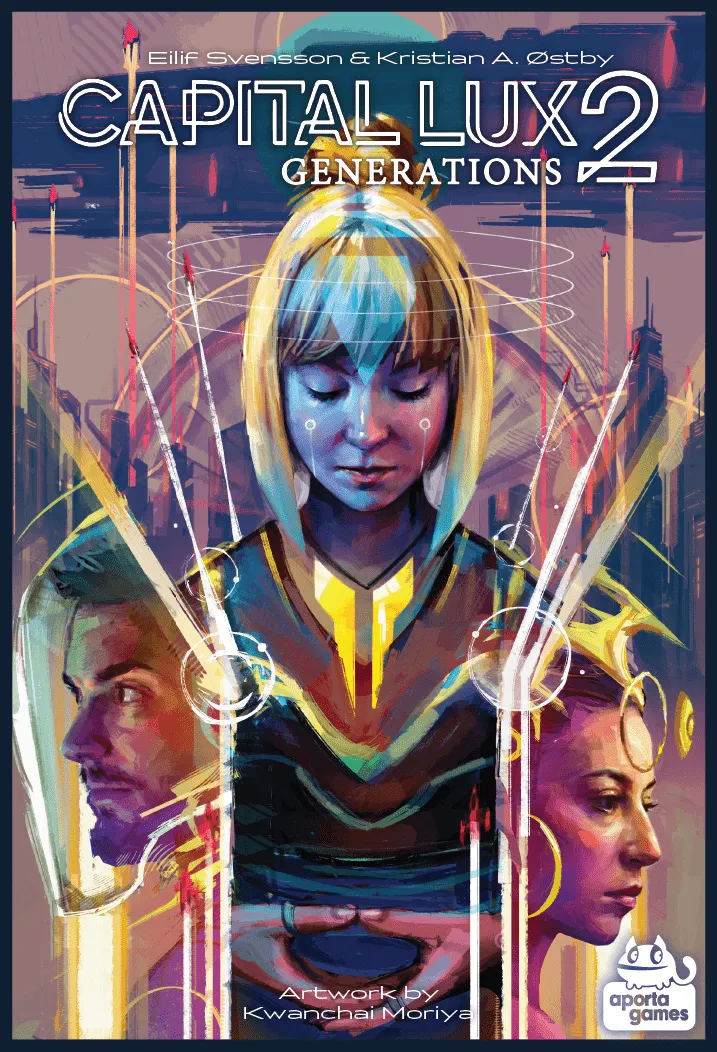
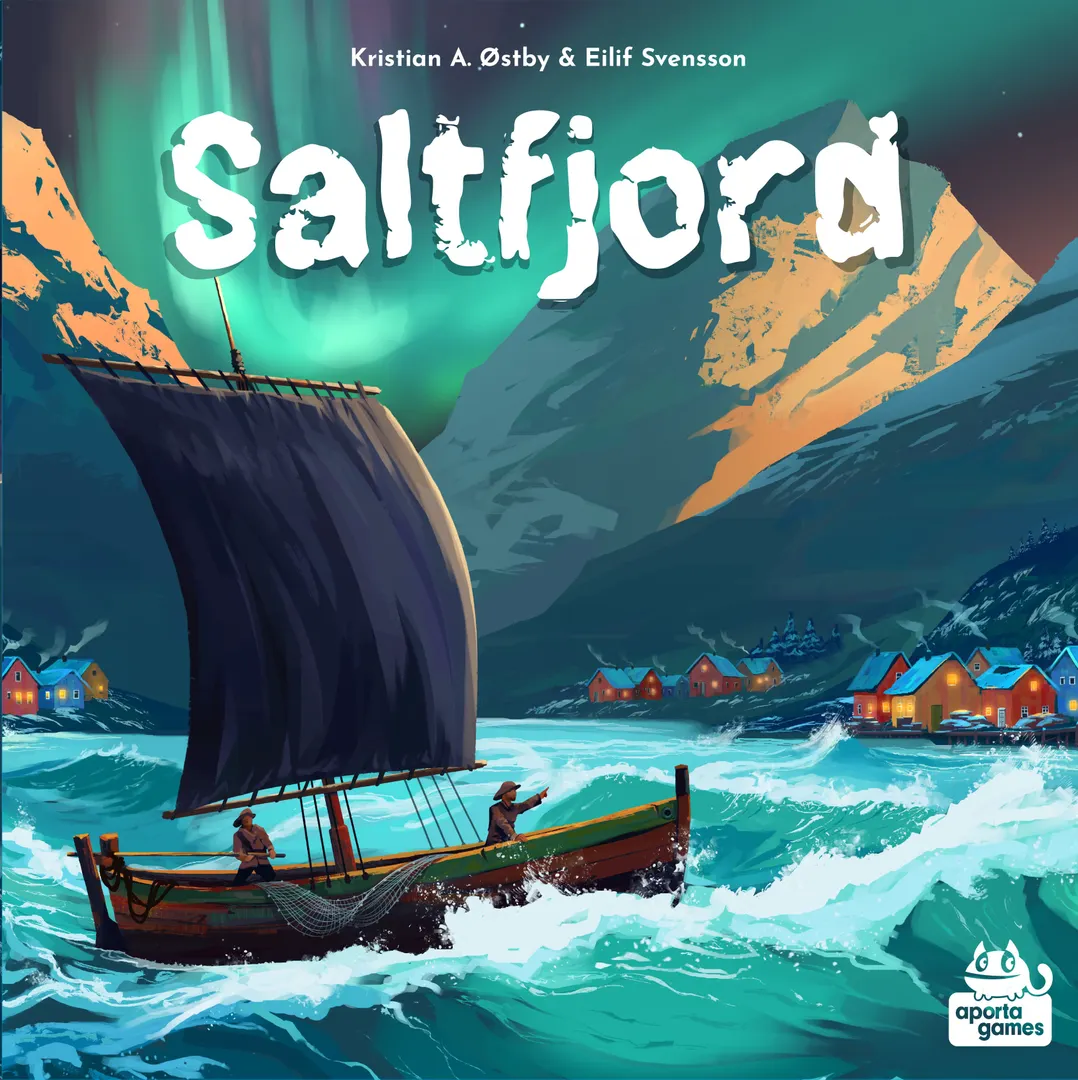
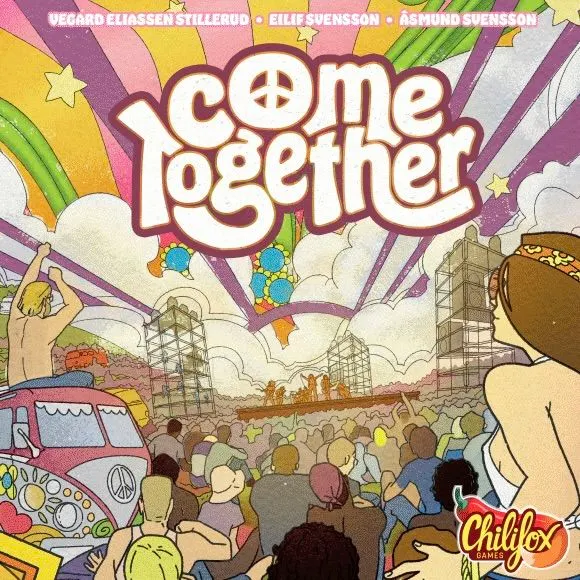
Les auteurs crédités pour Mangrovia sont : Eilif Svensson. Ces crédits proviennent des données publiées du jeu et désignent les personnes responsables de sa conception, et non les illustrateurs ou les éditeurs. Les pages d’auteurs sur MeepleRules regroupent les autres titres des mêmes auteurs, ce qui est utile lorsqu’un jeu vous plaît et que vous en cherchez de similaires.
Le catalogue présente Mangrovia comme un jeu de base. Il se joue seul avec le matériel contenu dans la boîte et ne nécessite aucun autre titre. Les extensions, s’il en existe, y ajoutent du contenu ou des règles et sont répertoriées séparément dans le catalogue, avec un lien vers ce jeu de base.