
- Note BGG
- 7,5
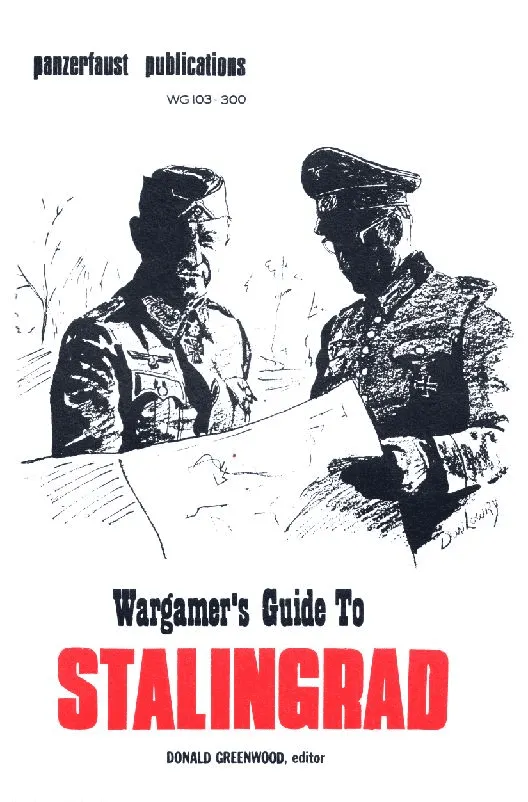
Wargamer's Guide to Stalingrad
- 2 joueurs
- Complexité 2,0/5
- 1972
1963
Aide aux règles de Stalingrad
Des explications claires des tours, effets de cartes et situations litigieuses, avec des références aux sources officielles et un historique des questions sauvegardé.
Pour 2 joueurs
Que voulez-vous savoir ?
Les réponses viennent du livret officiel, avec la page à vérifier.
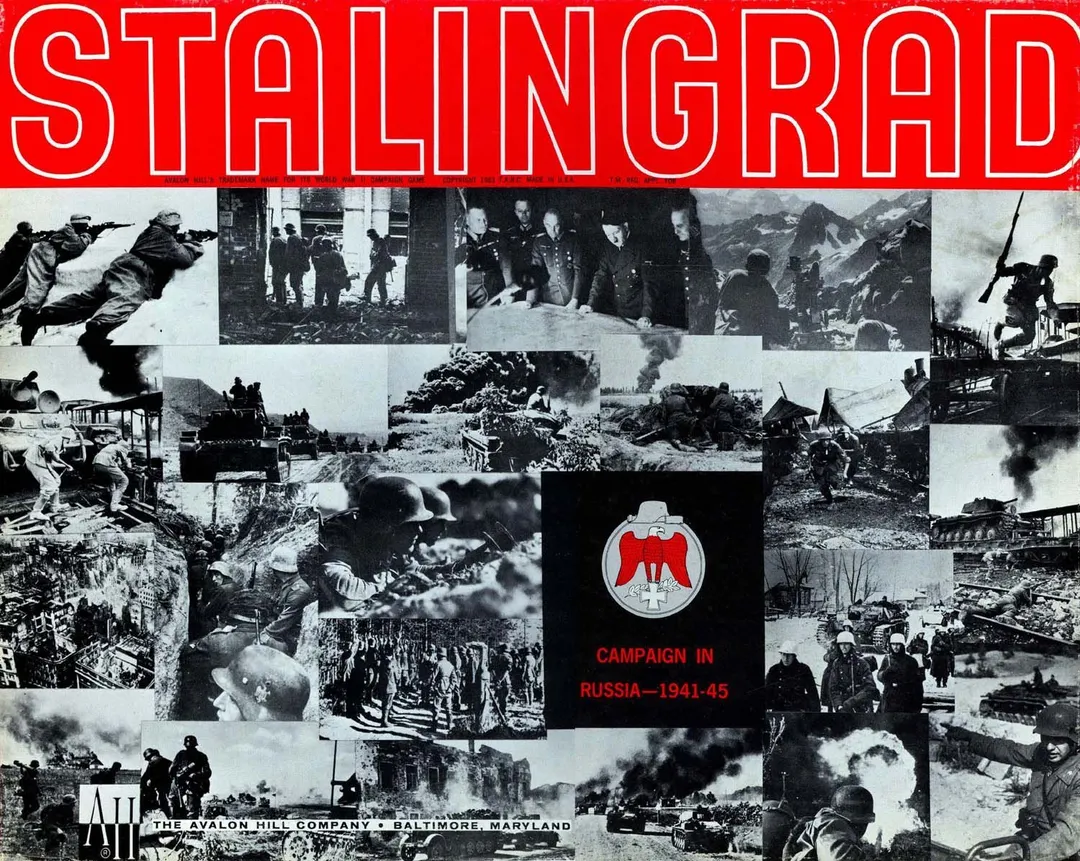
Stalingrad est un jeu de société sorti en 1963 pour 2 joueurs, avec des parties de 120 minutes et à partir de 12 ans. Il a été conçu par Lindsley Schutz, Charles S. Roberts et Thomas N. Shaw et ses principales mécaniques sont Dice Rolling, Grid Movement et Hexagon Grid.
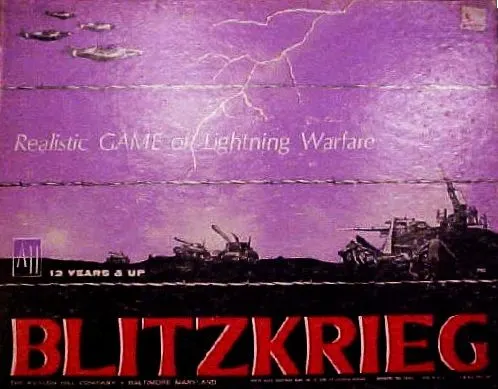
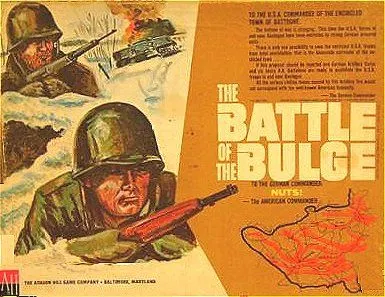
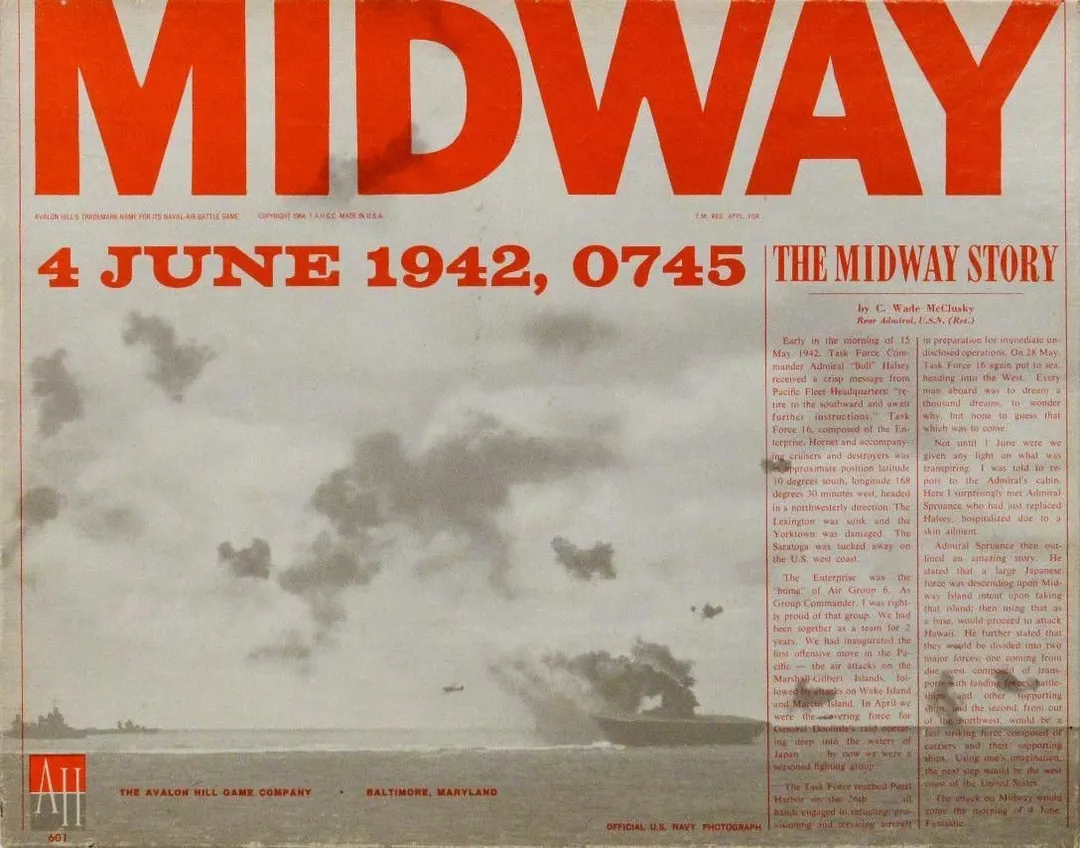





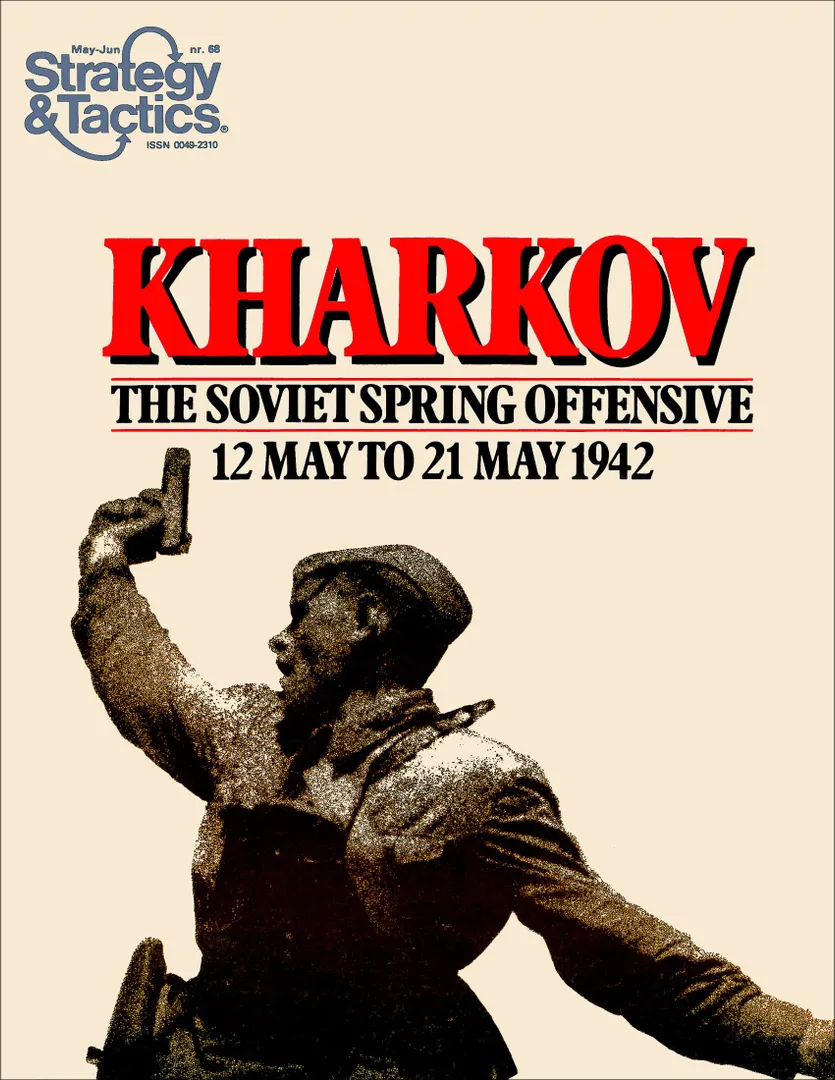
En anglais
The original edition came out in 1963 in a double-size box. The large box was nearly twice the area of a traditional AH box. Later the game came out in a traditional-size box. A second edition with clarified rules was issued in 1974 with the same standard size box but thinner. The rules are fairly straightforward. The strategies are extremely deep. Stalingrad is by far the most thoroughly and deeply analyzed board war game. Furthermore, the game preserves interest for players at a wide range of levels. Stalingrad is a good game to use to introduce players to hex-based war games. Stalingrad uses a move-combat sequence, alternating between players. There is limited advance (one hex) or retreat (two hexes) after combat. Units have one-hex thick zones of control; movement directly from one hex in the zone of control of a unit into an adjoining hex of the zone of control of the same unit is not allowed. Functional terrain includes swamp (one hex per turn movement), mountains (one hex per turn movement, defenders are doubled), major cities (defenders doubled), rivers (defenders behind rivers are doubled if attacked only across the river), railroads (ten hex movement bonus, must be taken all at once), lakes (impassible). Weather is good in summer, snow in winter, and governed by a table in the spring and fall. Mud halves ground movement. Snow halves ground and rail movement, and freezes (converts to clear terrain) some swamps, rivers, lakes, and oceans. Combat is mandatory between units that are adjacent at the end of each turn, but the attacker chooses which units attack which other units, so long as all adjacent units are in some battle. The classical Avalon Hill D6 table, with results such as D Elim, A Elim, etc is in use. Germans have limited replacements; Russian replacement rates escalate as the game goes on. The objective is to capture the opposition's key cities (for the Russians, Leningrad, Moscow, Stalingrad) or to destroy the other side's army. The Russian (implicit in rules) can also win by taking Helsinki, Warsaw, and Bucharest, and holding them for two complete turns, but I have never heard of this being done between normal players. Several extremely bad German strategic plans are in wide use. Avalon Hill Complexity rating - 2
Selon le catalogue, Stalingrad se joue à 2 personnes. C’est le nombre de joueurs indiqué par l’éditeur : le jeu est donc conçu pour exactement ce nombre de participants. Les variantes pour d’autres tailles de groupe, s’il en existe, sont décrites dans la règle de votre édition ; consultez-la avant d’installer une autre configuration.
La durée indiquée pour Stalingrad est de 120 minutes, selon l’estimation de l’éditeur pour une partie complète. La durée réelle dépend du groupe, de l’effectif et de la connaissance des règles : les premières parties sont plus longues, les groupes expérimentés terminent plus vite. Mise en place et explication des règles ne sont pas comprises.
Le catalogue indique Stalingrad à partir de 12 ans. C’est la recommandation de l’éditeur ; elle tient compte de la lecture nécessaire, de la complexité des règles et des petits composants, pas seulement du thème. Les plus jeunes peuvent souvent participer avec l’aide d’un adulte : vérifiez l’âge indiqué sur votre édition et tenez compte de l’expérience de votre groupe.
Stalingrad obtient une note de complexité de 2,2 sur 5 auprès des joueurs de BoardGameGeek, ce qui en fait un jeu plutôt léger. Cette note reflète la quantité de règles, de planification et de décisions qu’exige une partie typique. Prévoyez une explication plus longue pour les jeux exigeants et utilisez un guide de préparation avant la soirée.
Stalingrad appartient à ces catégories : Wargame et World War II. Ses principales mécaniques sont Dice Rolling, Grid Movement et Hexagon Grid. Les catégories décrivent le thème et l’univers d’un jeu, tandis que les mécaniques décrivent ce que les joueurs font réellement pendant leur tour. Chaque mécanique mène à une page du catalogue avec des jeux similaires.
Les auteurs crédités pour Stalingrad sont : Lindsley Schutz, Charles S. Roberts et Thomas N. Shaw. Ces crédits proviennent des données publiées du jeu et désignent les personnes responsables de sa conception, et non les illustrateurs ou les éditeurs. Les pages d’auteurs sur MeepleRules regroupent les autres titres des mêmes auteurs, ce qui est utile lorsqu’un jeu vous plaît et que vous en cherchez de similaires.
Le catalogue présente Stalingrad comme un jeu de base. Il se joue seul avec le matériel contenu dans la boîte et ne nécessite aucun autre titre. Les extensions, s’il en existe, y ajoutent du contenu ou des règles et sont répertoriées séparément dans le catalogue, avec un lien vers ce jeu de base.