
- Rang BGG
- BGG #3 716
- Note BGG
- 6,6
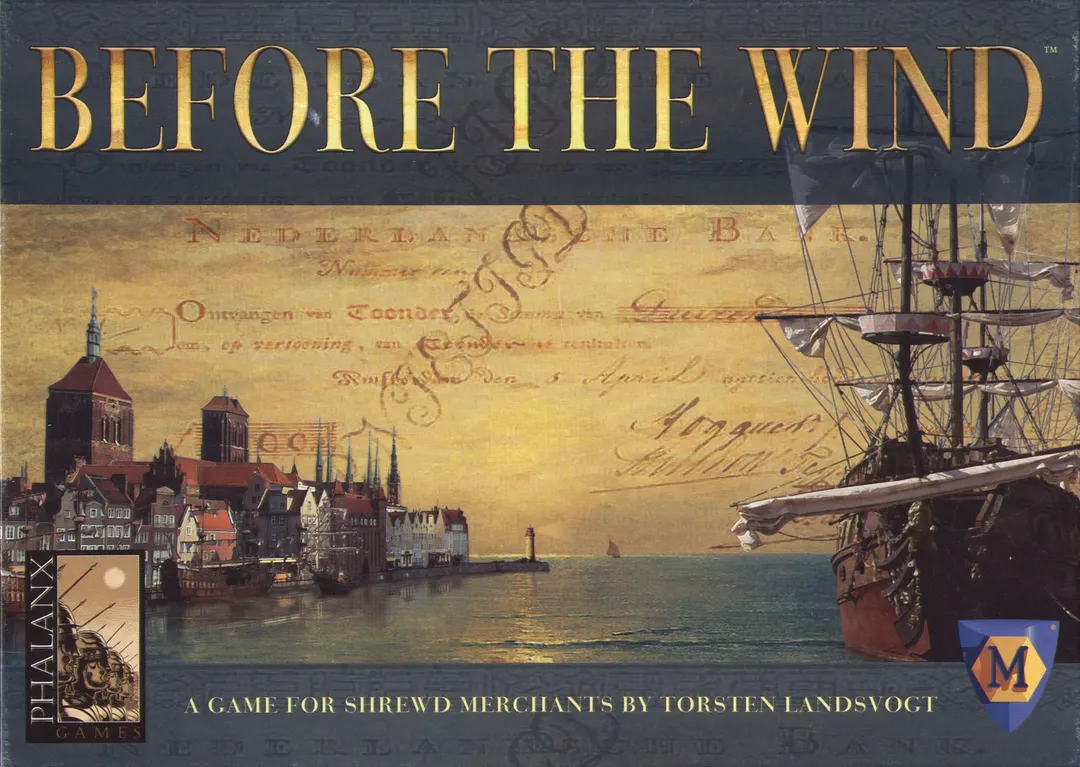
Before the Wind
- 2–4 joueurs
- 75 min
- Complexité 2,6/5
- 2007
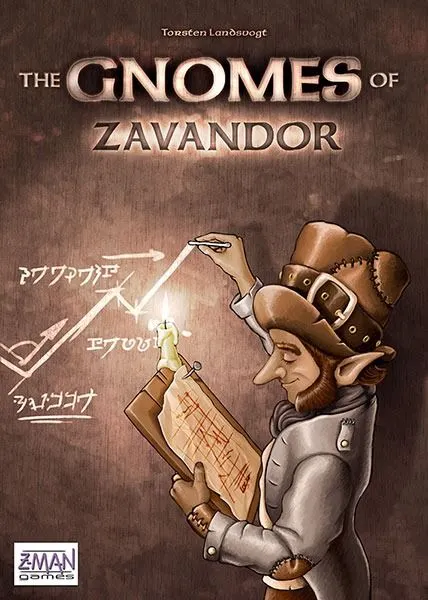
2011
Aide aux règles de The Gnomes of Zavandor
Des explications claires des tours, effets de cartes et situations litigieuses, avec des références aux sources officielles et un historique des questions sauvegardé.
Pour 2 joueurs
Que voulez-vous savoir ?
Les réponses viennent du livret officiel, avec la page à vérifier.
The Gnomes of Zavandor est un jeu de société sorti en 2011 pour 2 à 4 joueurs, avec des parties de 60 à 90 minutes et à partir de 10 ans. Il a été conçu par Torsten Landsvogt et ses principales mécaniques sont Set Collection, Memory et Modular Board.




En anglais
Welcome to the world of the Gnomes of Zavandor. Like most gnomes, you have two great passions: sparkling gems and wondrous machines. The sought-after gemstones can be found around the mining town of Diamantina. They can be bought and sold at the gem exchange, shady traders are always willing to engage in a little wheeling and dealing, and then you can use the gems to claim valuable mining rights, artifacts and jewellery. Who will become the most successful gem trading mogul? Zavandor is a fantasy setting which revolves around a capitalist economy based on trading in gems - sapphires, rubies, mystical gems etc. Other games in the family include Mines of Zavandor, and The Scepter of Zavandor. Gnomes of Zavandor features two central boards. The first is a grid with markers indicating the current price of each of the gem types, and also indicating whether the price is going to go up or down next turn. Gems can be bought (or sold) for cash in the first phase of each turn. Buying gems makes them more valuable in subsequent turns; selling them reduces their value, and this is reflected on the grid. These gems can be used to buy tiles from the second board, a star-shaped arena featuring "mining rights" tiles positioned randomly around it. The position on the board indicates the cost to purchase these mining rights; the cost will be a mixed selection of coloured gems. At the end of each turn, players gain new gems according to the mining rights they have acquired and this affects the central economy, generally reducing the value of the relevant gems when they are purchased for hard cash, in future rounds. The initial phase of the turn involves buying gems, selling gems, taking gold, trading with the central supply, and purchasing cards and tokens (with gems rather than cash). The items available for purchase include equipment improving your efficiency, jewels providing victory points, and mining rights. The second phase of the turn involves mining for new gems. Each player takes the gems they are allowed according to their mining rights. At the end of each turn, the market values are adjusted according to the actions which have occurred; the price of the available equipment is discounted (this rule is optional); and another area of the star-shaped board becomes accessible with more mining-rights available to purchase in the next round. The game continues until one player has reached a victory-point target, dependent on the number of players in the game. Victory points are achieved by purchasing mining-rights, equipment, and most significantly (but also most expensively) jewellery.
Selon le catalogue, The Gnomes of Zavandor se joue de 2 à 4 personnes. Cette fourchette correspond au nombre de joueurs indiqué par l’éditeur : le jeu s’installe donc pour toute taille de groupe dans cette limite. La mise en place, certaines règles et le décompte peuvent varier selon l’effectif ; vérifiez la configuration exacte dans la règle de votre édition.
La durée indiquée pour The Gnomes of Zavandor est de 60 à 90 minutes, selon l’estimation de l’éditeur pour une partie complète. La durée réelle dépend du groupe, de l’effectif et de la connaissance des règles : les premières parties sont plus longues, les groupes expérimentés terminent plus vite. Mise en place et explication des règles ne sont pas comprises.
Le catalogue indique The Gnomes of Zavandor à partir de 10 ans. C’est la recommandation de l’éditeur ; elle tient compte de la lecture nécessaire, de la complexité des règles et des petits composants, pas seulement du thème. Les plus jeunes peuvent souvent participer avec l’aide d’un adulte : vérifiez l’âge indiqué sur votre édition et tenez compte de l’expérience de votre groupe.
The Gnomes of Zavandor obtient une note de complexité de 2,6 sur 5 auprès des joueurs de BoardGameGeek, ce qui en fait un jeu plutôt léger. Cette note reflète la quantité de règles, de planification et de décisions qu’exige une partie typique. Prévoyez une explication plus longue pour les jeux exigeants et utilisez un guide de préparation avant la soirée.
The Gnomes of Zavandor appartient à ces catégories : Fantasy et Economic. Ses principales mécaniques sont Set Collection, Memory et Modular Board. Les catégories décrivent le thème et l’univers d’un jeu, tandis que les mécaniques décrivent ce que les joueurs font réellement pendant leur tour. Chaque mécanique mène à une page du catalogue avec des jeux similaires.
Les auteurs crédités pour The Gnomes of Zavandor sont : Torsten Landsvogt. Ces crédits proviennent des données publiées du jeu et désignent les personnes responsables de sa conception, et non les illustrateurs ou les éditeurs. Les pages d’auteurs sur MeepleRules regroupent les autres titres des mêmes auteurs, ce qui est utile lorsqu’un jeu vous plaît et que vous en cherchez de similaires.
Le catalogue présente The Gnomes of Zavandor comme un jeu de base. Il se joue seul avec le matériel contenu dans la boîte et ne nécessite aucun autre titre. Les extensions, s’il en existe, y ajoutent du contenu ou des règles et sont répertoriées séparément dans le catalogue, avec un lien vers ce jeu de base.