
- Posizione BGG
- BGG #9288
- Valutazione BGG
- 6,8
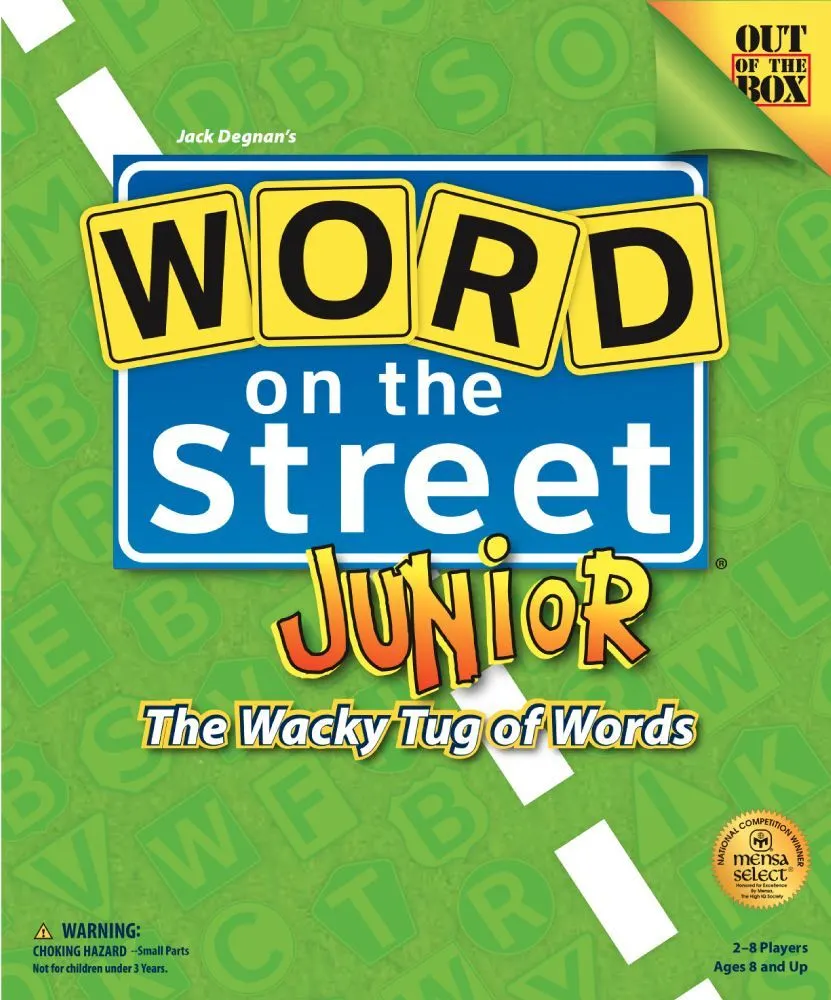
Word on the Street Junior
- 2–8 giocatori
- 30 min
- Complessità 1,1/5
- 2010
1875
Aiuto con le regole di Anagrams
Spiegazioni chiare di turni, effetti delle carte e situazioni dubbie, con riferimenti alle fonti ufficiali e cronologia delle domande salvata.
Cosa vuoi sapere?
Le risposte vengono dal regolamento ufficiale, con la pagina da verificare.
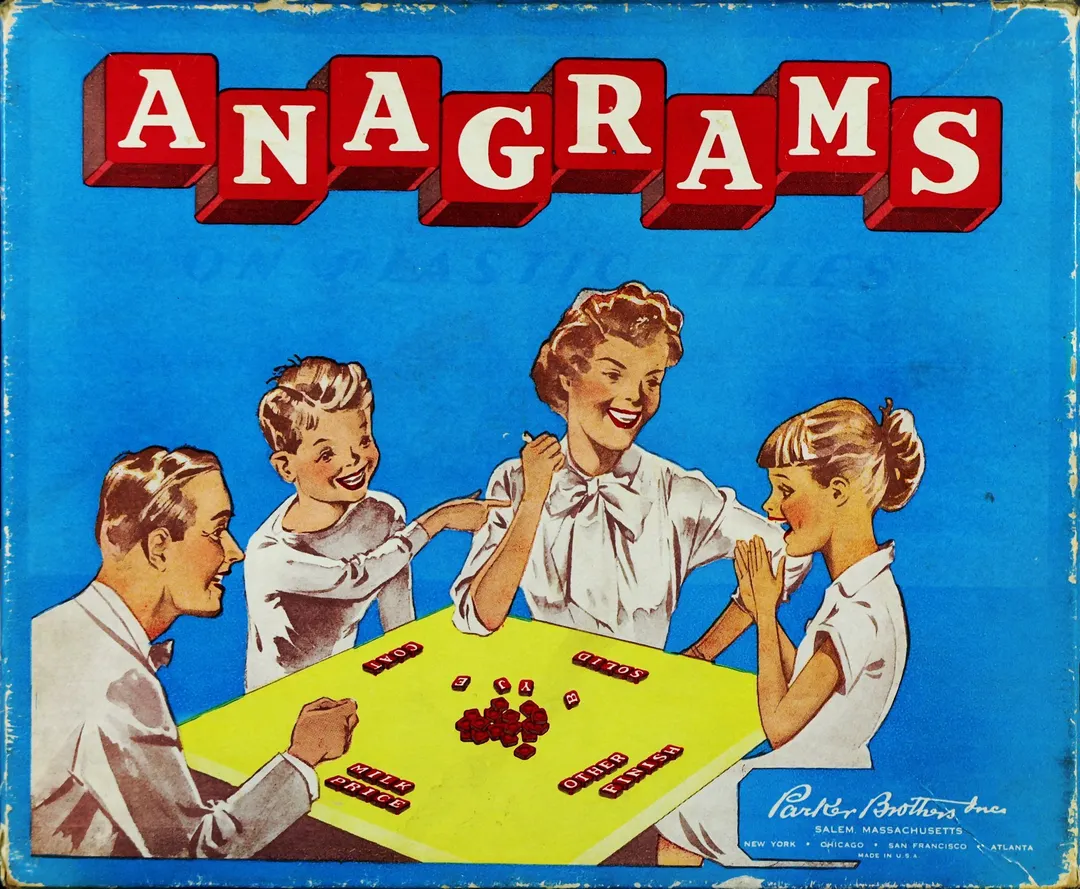
Anagrams è un gioco da tavolo pubblicato nel 1875 per 2–6 giocatori, con partite da 45 minuti e dai 8 anni in su. Le sue meccaniche principali sono Spelling.

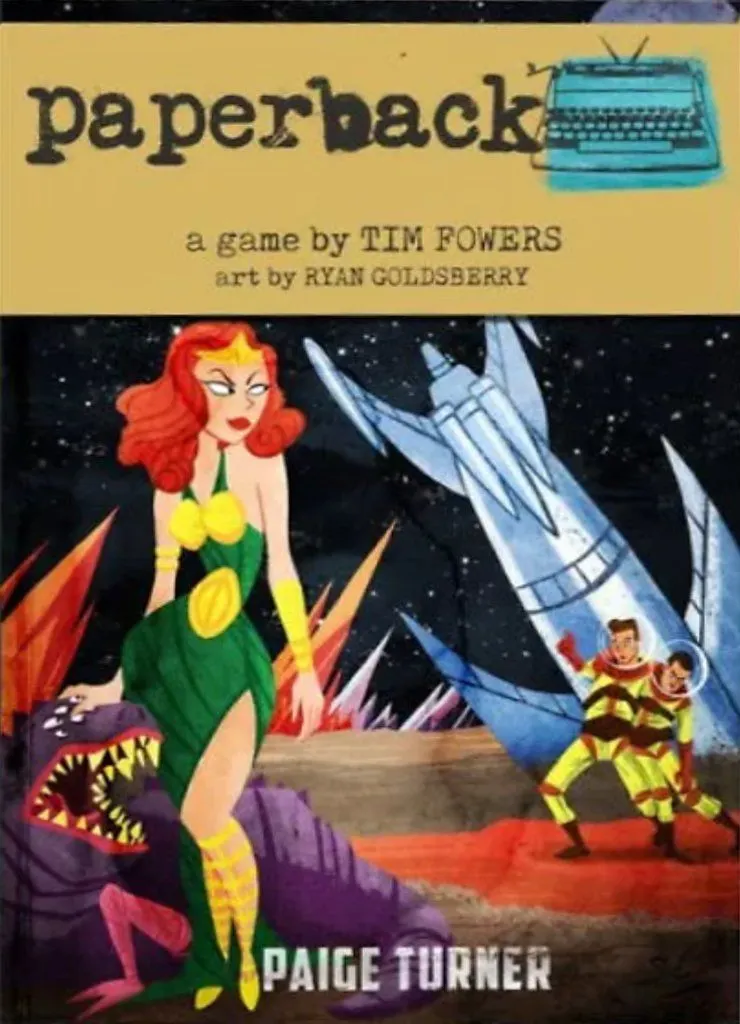


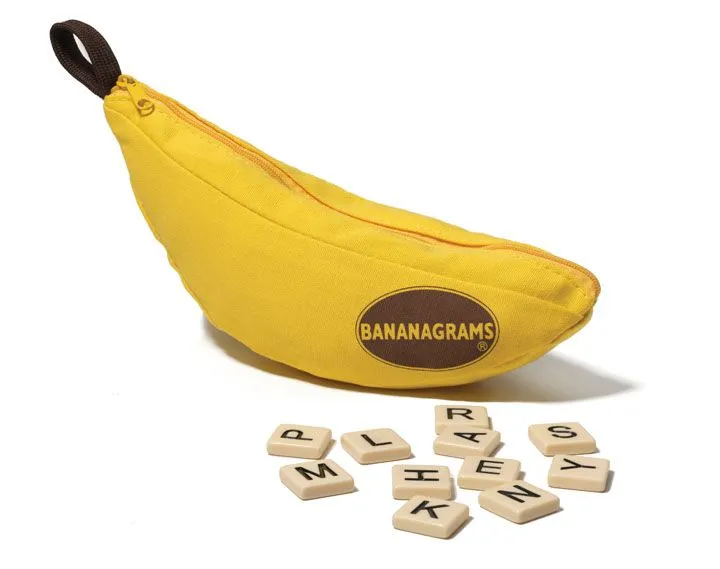
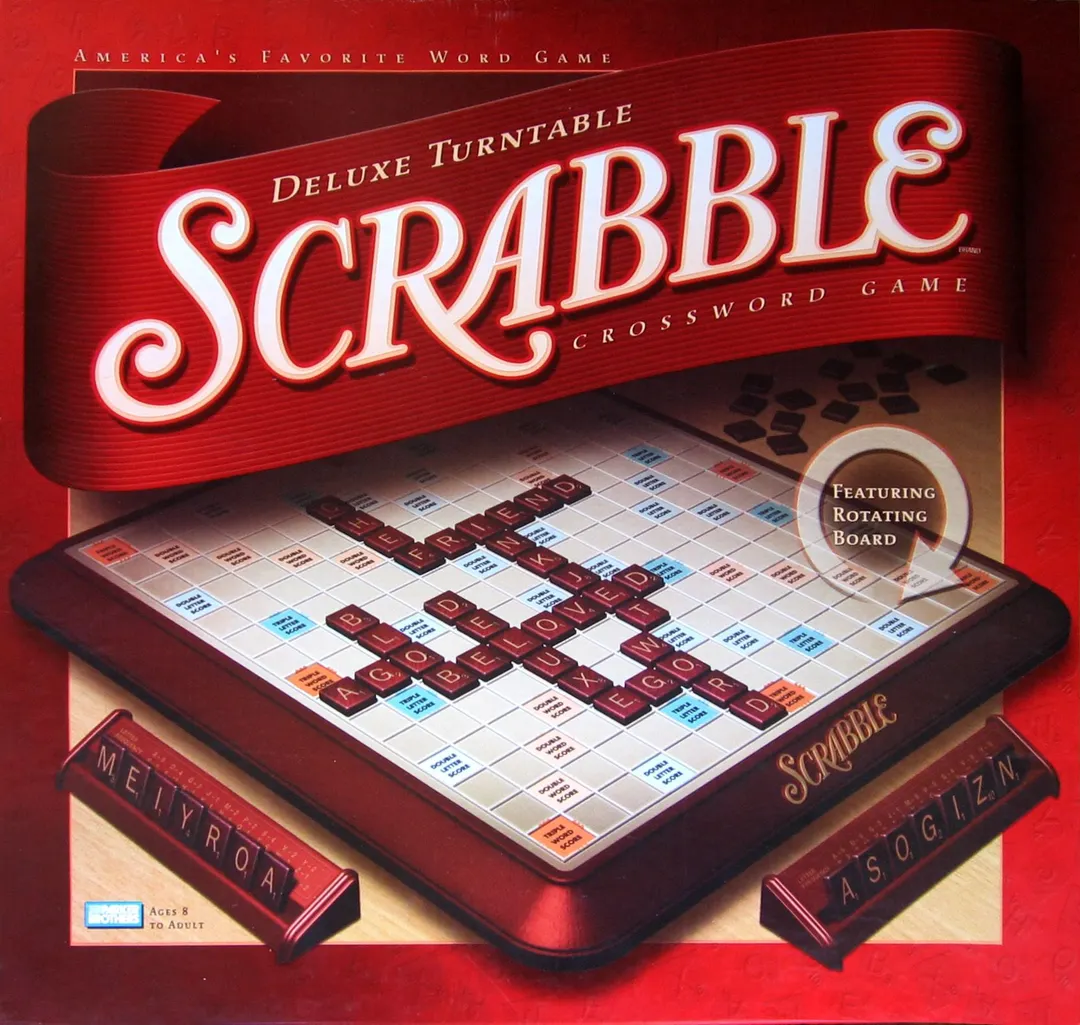

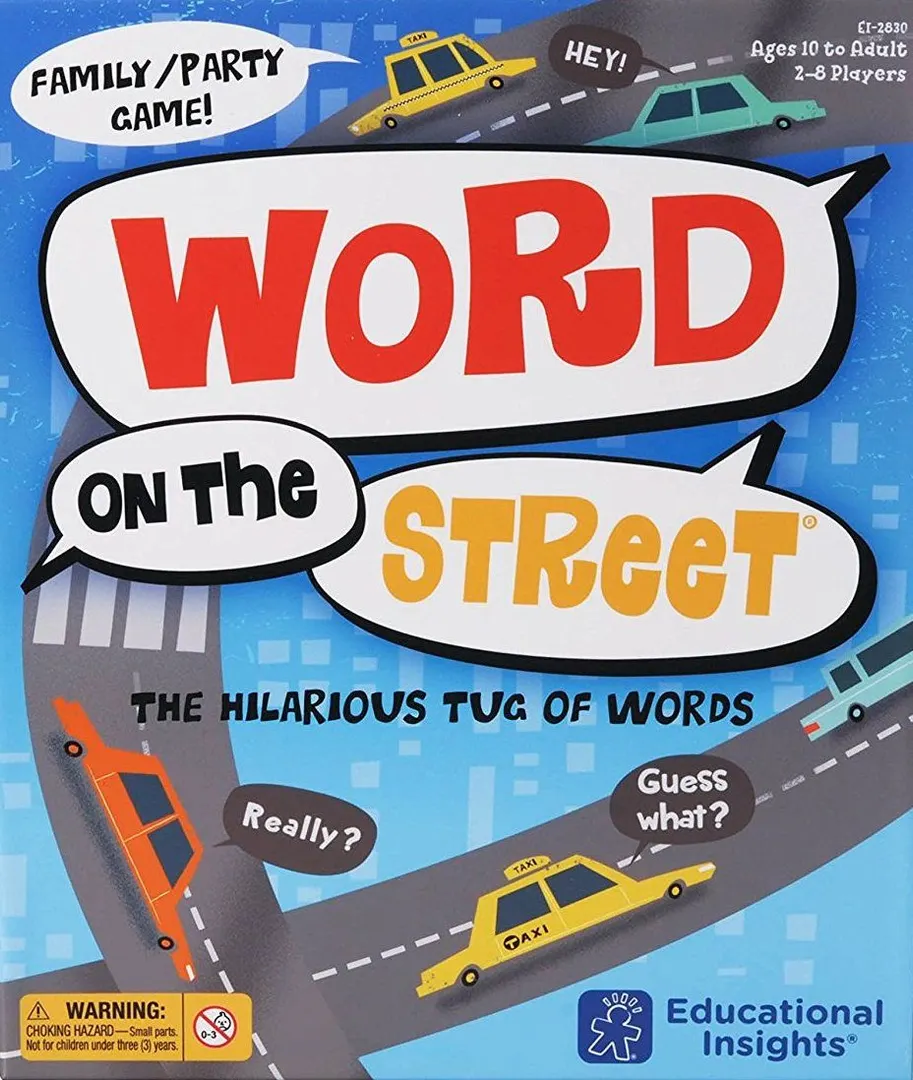

In inglese
Anagrams is a game where players reveal letter tiles one at a time, claiming any word as soon as they can make it. Once a word is in front of someone, other players may steal it by making an anagram of it which introduces other letters from the pool. Reimplemented as Snatch and Scrabble Scoring Anagrams. Published during the same time frame as the 1877 Word Making and Taking. A version of this game using the word “anagram” in its title was published by Thomas Whittaker in New York on or before 1875 and was called “The Game of Anagrams”. With Parker Brothers and McLoughlin Brothers both releasing Anagrams games in 1890, this likely reflects the expiry of the 17 year patent period that existed at the time. Many editions of the game have been sold and exact rules vary, but one version runs as follows: The players shuffle the letters in the "pool" thoroughly. Each player, in turn, draws a letter tile from the pool and places it face up on the table. These letters are available to all players on their turn. Before starting play it should be decided that either 3-letter, 4-letter or 5-letter words are to be established as the basis of play. Then the first player draws a letter from the pool. Keeping it hidden, he tries to form one word of 2 or more letters with the letter in his hand and with at least one or more of those letters face up on the table. He may also form the word with only the face up letters and not use the letter in his hand. Whenever a player forms a word, his turn ends. If a player cannot form a word, or if he forms one but doesn't use the letter he has drawn from the pool, he must discard this letter at the end of his turn. The letter is discarded by putting it face up with the other turned up letters on the table. Then the next player moves. When a player forms a word, he places it in front of him facing it to the center of the table. This is done so the other players can easily see it. It gives them the chance to steal words. As the game continues and players gather words, they may steal the words from one another. This is done by taking all the letters of another player's word and adding one or more letters to it to completely change that word's meaning. The letters added to a word in "stealing" may be the one drawn by the player from the pool or one or more of those face up. Adding S to make a word plural (or ED or ING) does not change the meaning of a word and cannot be used to "steal" a word. Any letters at all, however, can be used in "stealing" a word if the new word formed is entirely changed in meaning. Players should make their own words harder to steal by adding letters to them and making them more complex. This counts as a complete turn and is as important as forming new words. When all of the tiles have been drawn from the pool, players, continue in turn to try to form words using the face up letters. The game ends when there are no more face up letters, or when no player is able to move using the remaining face up letters. Each player counts the number of tiles in all of the words he has formed in front of him. The winner is the person who has first obtained eight (8) words. The game is not over until ALL players have had an EQUAL number of turns. If at the end of an equal number of turns there is more than one player with eight (8) words, count the number of tiles in those 8 words. The player with the most tiles wins. If the number of tiles in the 8 words is equal, then the game ends in a tie.
Secondo il catalogo, Anagrams supporta da 2 a 6 giocatori. L’intervallo corrisponde al numero di giocatori indicato dall’editore, quindi il gioco si può preparare per qualsiasi gruppo entro quei limiti. Preparazione, alcune regole e punteggio possono comunque variare in base al numero di giocatori: controlla la configurazione esatta nel regolamento della tua edizione.
La durata indicata per Anagrams è di 45 minuti, la stima dell’editore per una partita completa. La durata effettiva dipende dal gruppo, dal numero di giocatori e dalla conoscenza delle regole: le prime partite durano di più, i gruppi esperti finiscono prima. Preparazione e spiegazione delle regole non sono comprese nella stima.
Il catalogo indica Anagrams dai 8 anni in su. È la raccomandazione dell’editore e tiene conto della lettura richiesta, della complessità delle regole e dei componenti piccoli, non solo del tema. I più giovani spesso possono giocare con l’aiuto di un adulto: controlla l’età consigliata sulla tua edizione e l’esperienza del tuo gruppo con i giochi da tavolo.
Anagrams ha un punteggio di complessità di 2,0 su 5 secondo i giocatori di BoardGameGeek, il che lo rende un gioco piuttosto leggero. Il punteggio riflette quanta conoscenza delle regole, pianificazione e decisioni richiede una partita tipica. I giochi impegnativi richiedono una prima spiegazione più lunga, quindi conviene usare una guida di preparazione.
Anagrams appartiene a queste categorie: Word Game e Children's Game. Le sue meccaniche principali sono Spelling. Le categorie descrivono il tema e l’ambientazione di un gioco, mentre le meccaniche descrivono ciò che i giocatori fanno davvero nel proprio turno. Ogni meccanica porta a una pagina del catalogo con giochi simili.
Il catalogo classifica Anagrams come gioco base. Si gioca da solo con i componenti presenti nella scatola e non richiede altri titoli. Le espansioni, se esistono, aggiungono nuovo contenuto o nuove regole e sono elencate separatamente nel catalogo con un collegamento a questo gioco base.