
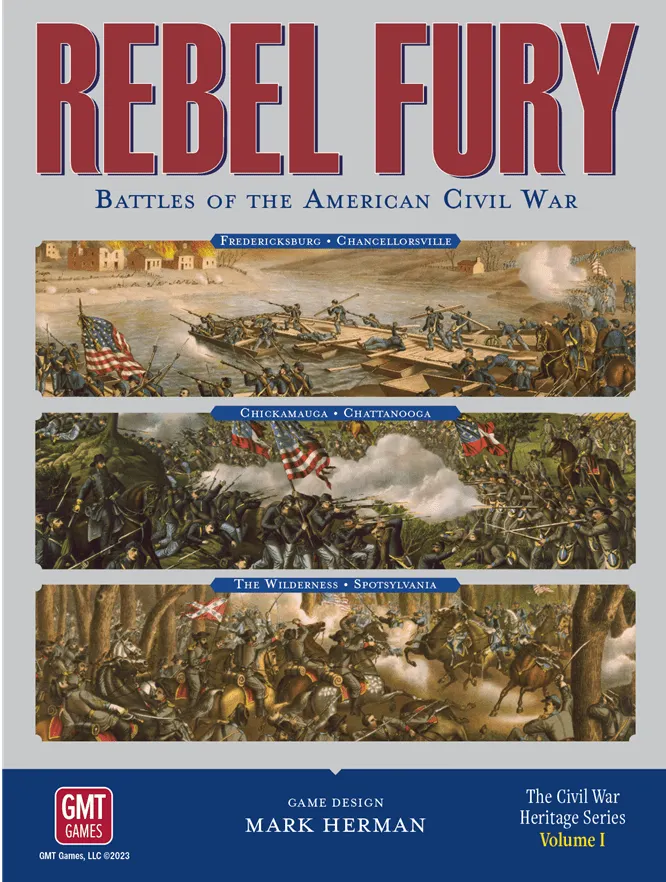
- Posizione BGG
- BGG #6983
- Valutazione BGG
- 7,5
Rebel Fury
- 1–2 giocatori
- 60–120 min
- Complessità 2,4/5
- 2024
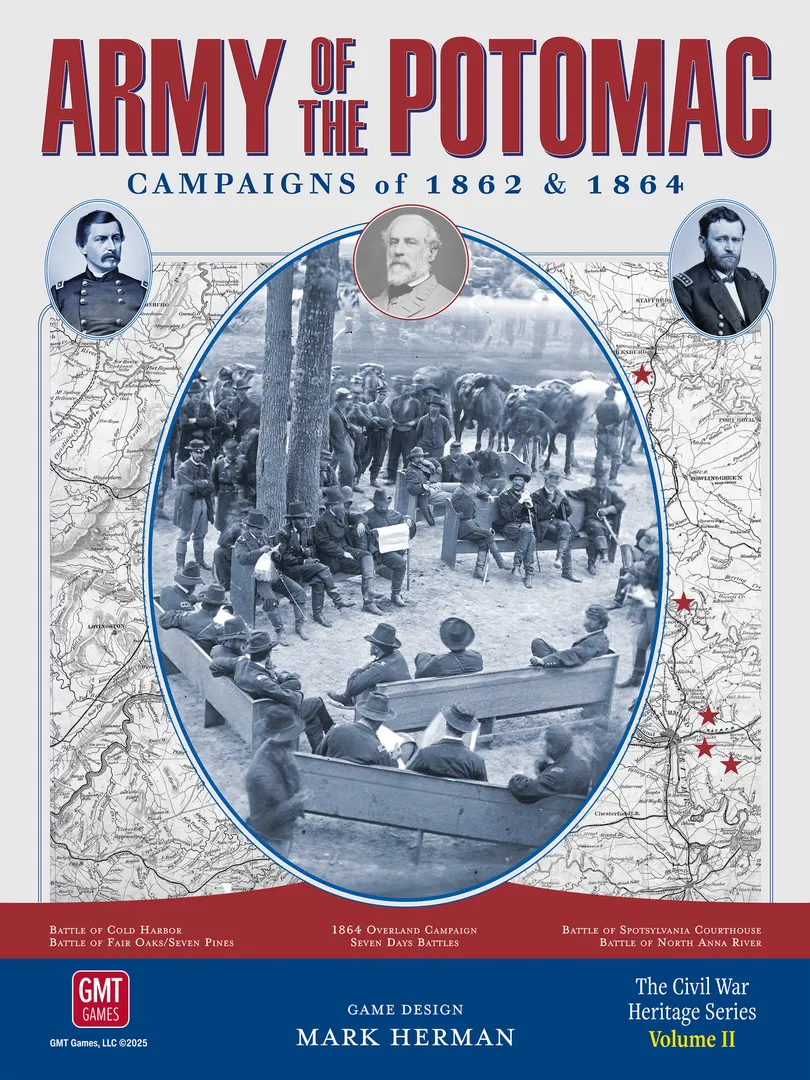
2026
Aiuto con le regole di Army of the Potomac: Campaigns of 1862 and 1864
Spiegazioni chiare di turni, effetti delle carte e situazioni dubbie, con riferimenti alle fonti ufficiali e cronologia delle domande salvata.
Per 1 giocatore
Cosa vuoi sapere?
Le risposte vengono dal regolamento ufficiale, con la pagina da verificare.
Army of the Potomac: Campaigns of 1862 and 1864 è un gioco da tavolo pubblicato nel 2026 per 1–2 giocatori, con partite da 360 a 480 minuti e dai 14 anni in su. È stato ideato da Mark Herman e le sue meccaniche principali sono Dice Rolling, Grid Movement e Hexagon Grid.





In inglese
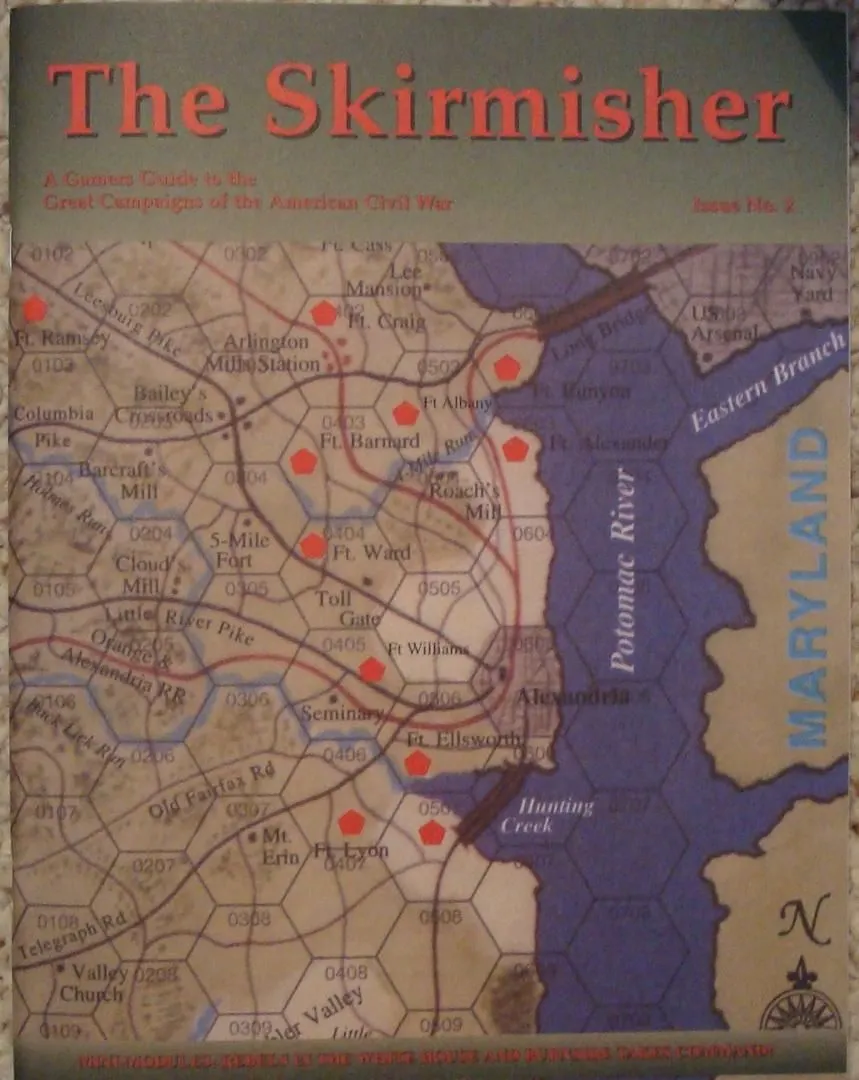
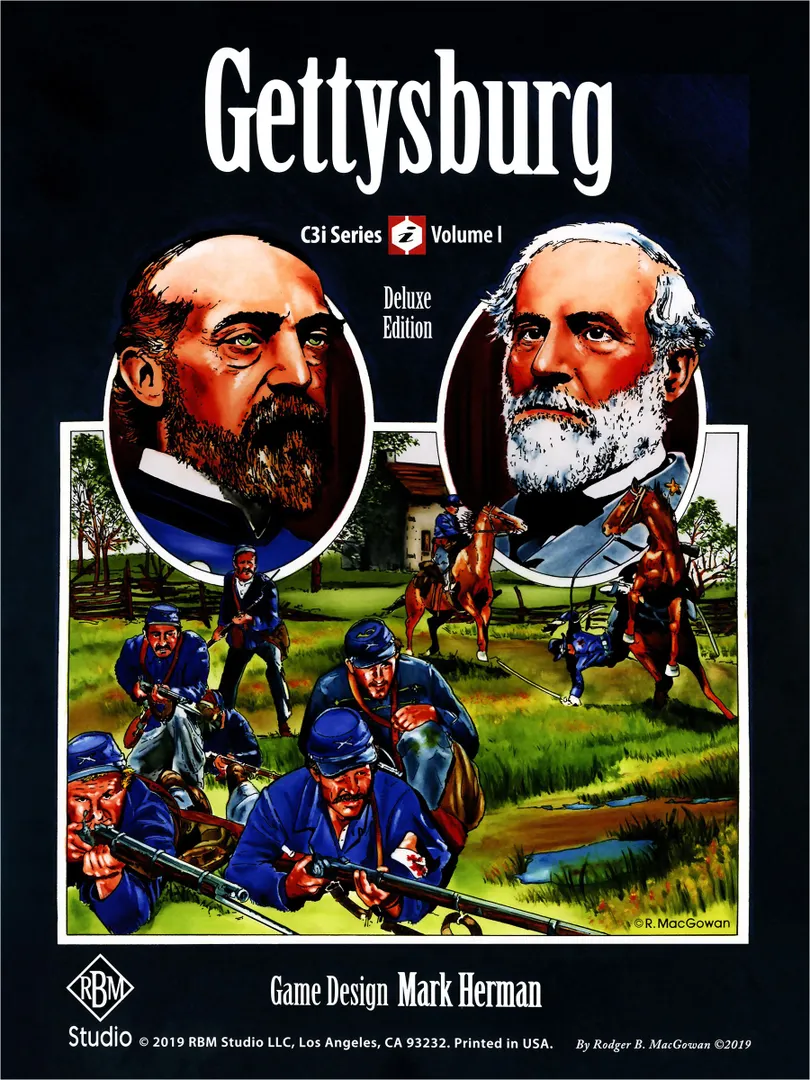
Army of the Potomac: Campaigns of 1862 and 1864 is the second volume in the Civil War Heritage series and the follow-up game to the innovative and acclaimed Rebel Fury. Army of the Potomac uses the same core rules as Rebel Fury, so players familiar with Rebel Fury will be able to jump right into the action. Each battle in Army of the Potomac is quick-set-up, quick-playing, and deeply interactive. The density of counters in each scenario is low, allowing you to see and experience the big picture of the battle. Army of the Potomac covers the battles of Spotsylvania II, North Anna River, Cold Harbor, and the entire Seven Days battle (McClellan vs Lee), including the prelude Seven Pines (McClellan vs Johnston) when Johnston's wounding brought Lee into the command of the Army of Northern Virginia. Each battle places you, the player, in the role of the Army Commander (Grant, McClellan, Lee, Johnston). You maneuver your army to find the enemy’s flanks, concentrate your forces for an attack, and determine where to commit your artillery assets. Units are portrayed at the Infantry/Cavalry division level. The Civil War Heritage series game system features a new Zone of Influence/Zone of Control mechanic that controls unit formation (March/Battle) based on their proximity to your opponent. As your units close with the enemy, your forces naturally break into battle formation, where they then maneuver the last distance to engage. Unlike most hex and counter wargames, this system allows you total freedom to move units in any order multiple times, unleashing the full range of historical tactics in a simple and clean format. Combat features a differential combat system with few but significant factors that capture the key features of Civil War division level combat. Units are rated for quality, artillery support, supporting units, and terrain. The game features artillery duels with the occasional Exploding Caisson result. The Civil War Heritage series combat system accurately depicts the ability of units to launch multiple waves of attacks on the same position, capturing the back-and-forth nature of many famous combat duels. Army of the Potomac also includes a set of campaign rules that allow you to conduct operations from Spotsylvania to Cold Harbor featuring logistics and attrition. Also included are two bonus scenarios to allow owners of Rebel Fury to also fight Spotsylvania II and begin the Campaign scenario from Wilderness to Cold Harbor using their original Rebel Fury map. Components: Five Paper Maps Three Countersheets Two Player Aids Two Off Map Displays One Turn Record Track Two 10-sided dice One custom 6-sided die One Rulebook One Playbook One 2" Box -description from publisher
Secondo il catalogo, Army of the Potomac: Campaigns of 1862 and 1864 supporta da 1 a 2 giocatori. L’intervallo corrisponde al numero di giocatori indicato dall’editore, quindi il gioco si può preparare per qualsiasi gruppo entro quei limiti. Preparazione, alcune regole e punteggio possono comunque variare in base al numero di giocatori: controlla la configurazione esatta nel regolamento della tua edizione.
La durata indicata per Army of the Potomac: Campaigns of 1862 and 1864 è di 360–480 minuti, la stima dell’editore per una partita completa. La durata effettiva dipende dal gruppo, dal numero di giocatori e dalla conoscenza delle regole: le prime partite durano di più, i gruppi esperti finiscono prima. Preparazione e spiegazione delle regole non sono comprese nella stima.
Il catalogo indica Army of the Potomac: Campaigns of 1862 and 1864 dai 14 anni in su. È la raccomandazione dell’editore e tiene conto della lettura richiesta, della complessità delle regole e dei componenti piccoli, non solo del tema. I più giovani spesso possono giocare con l’aiuto di un adulto: controlla l’età consigliata sulla tua edizione e l’esperienza del tuo gruppo con i giochi da tavolo.
Army of the Potomac: Campaigns of 1862 and 1864 ha un punteggio di complessità di 2,3 su 5 secondo i giocatori di BoardGameGeek, il che lo rende un gioco piuttosto leggero. Il punteggio riflette quanta conoscenza delle regole, pianificazione e decisioni richiede una partita tipica. I giochi impegnativi richiedono una prima spiegazione più lunga, quindi conviene usare una guida di preparazione.
Army of the Potomac: Campaigns of 1862 and 1864 appartiene a queste categorie: Wargame, Civil War e Post-Napoleonic. Le sue meccaniche principali sono Dice Rolling, Grid Movement e Hexagon Grid. Le categorie descrivono il tema e l’ambientazione di un gioco, mentre le meccaniche descrivono ciò che i giocatori fanno davvero nel proprio turno. Ogni meccanica porta a una pagina del catalogo con giochi simili.
Gli autori accreditati di Army of the Potomac: Campaigns of 1862 and 1864 sono: Mark Herman. Questi crediti provengono dai dati pubblicati del gioco e indicano le persone responsabili della sua progettazione, non gli illustratori o gli editori. Le pagine degli autori su MeepleRules raccolgono altri titoli degli stessi autori, utili quando un gioco ti piace e ne cerchi di simili.
Il catalogo classifica Army of the Potomac: Campaigns of 1862 and 1864 come gioco base. Si gioca da solo con i componenti presenti nella scatola e non richiede altri titoli. Le espansioni, se esistono, aggiungono nuovo contenuto o nuove regole e sono elencate separatamente nel catalogo con un collegamento a questo gioco base.