
- Posizione BGG
- BGG #860
- Valutazione BGG
- 7,0
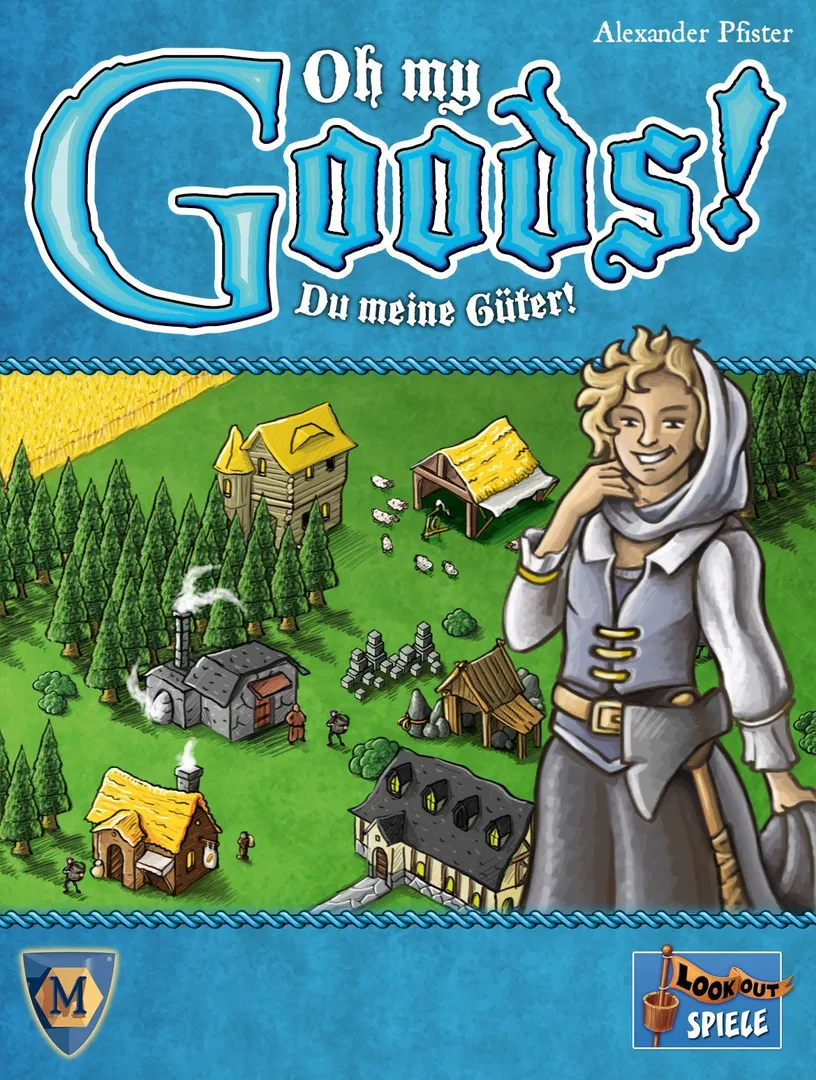
Oh My Goods!
- 2–4 giocatori
- 30 min
- Complessità 2,3/5
- 2015
2020
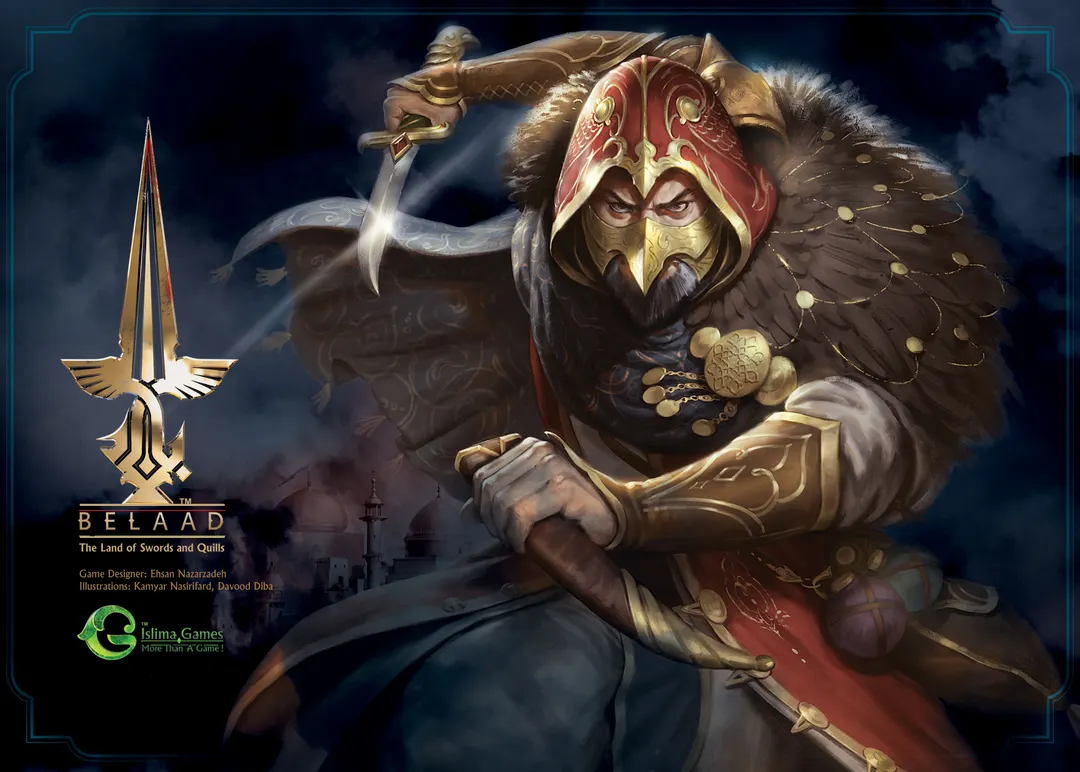
Aiuto con le regole di Belaad: The Land of Swords and Quills
Spiegazioni chiare di turni, effetti delle carte e situazioni dubbie, con riferimenti alle fonti ufficiali e cronologia delle domande salvata.
Per 2 giocatori
Cosa vuoi sapere?
Le risposte vengono dal regolamento ufficiale, con la pagina da verificare.
Belaad: The Land of Swords and Quills è un gioco da tavolo pubblicato nel 2020 per 2–6 giocatori, con partite da 30 a 60 minuti e dai 10 anni in su. È stato ideato da Ehsan Nazarzadeh e le sue meccaniche principali sono Variable Player Powers, Push Your Luck e End Game Bonuses.




In inglese
In the golden age of Islam, many Scholars arise and amaze all in the land with their inventions and discoveries. Meanwhile The Kingdom who has just discovered the power of knowledge, starts to intrigue these Scholars in order to strengthen the monarchy and profit more from ruling the land. But The People who notice the intentions of the Sultan and his subjects, confront The Kingdom and struggle to help these Scholars. In the midst of the dispute between The People and The Kingdom, a sect called The Hashashin (The Assassins) has risen. They believe that power is the root of all corruption and must be destroyed. Therefore, The Hashashin are lead to killing these Scholars. Belaad: The Land of Swords and Quills is an engine-building thematic card game for 2 to 6 players. Players are split up in three teams and over the course of the game, attempt to triumph over the other two. The Hashashin come in play if there are an odd number of players in which a single player controls the team. Every team consists of a unique set of characters with special abilities and is as follows; The Kingdom: Sultan, Vizier, Treasurer, Sheriff, Commander. The People: Bahlool, Preacher, The Trustworthy, Altruist, Folk Hero. The Hashashin: Sect Leader, Hashash, Spy, Assassin. The Kingdom and The People follow the same goal of hiring the most Scholars while The Hashashin mean to kill them. Every Scholar provides a number of scientific symbols for teams which count as victory points at the game's end. The game proceed by playing action cards. Each player has four cards in hand and plays a card by turn, using the action on the card, and after that draws another card from one of the three decks. Action cards help each player strengthen their team's characters, gain coins or steal coins from other teams, declare war and hire Scholars. Every character has a certain symbol, other than their special abilities, and can be strengthened by placing tokens on said character's mat. For example, the Treasurer provides more coins, the Commander becomes more powerful in war, the Sultan gains more influence in hiring Scholars and etc. Victory points are gained by two means; scientific points provided by Scholars, and military points gained from war. The game is played in 4 eras in which different Scholars emerge and at the end of the 4th era, the team with most victory points prevails. —description from the publisher
Secondo il catalogo, Belaad: The Land of Swords and Quills supporta da 2 a 6 giocatori. L’intervallo corrisponde al numero di giocatori indicato dall’editore, quindi il gioco si può preparare per qualsiasi gruppo entro quei limiti. Preparazione, alcune regole e punteggio possono comunque variare in base al numero di giocatori: controlla la configurazione esatta nel regolamento della tua edizione.
La durata indicata per Belaad: The Land of Swords and Quills è di 30–60 minuti, la stima dell’editore per una partita completa. La durata effettiva dipende dal gruppo, dal numero di giocatori e dalla conoscenza delle regole: le prime partite durano di più, i gruppi esperti finiscono prima. Preparazione e spiegazione delle regole non sono comprese nella stima.
Il catalogo indica Belaad: The Land of Swords and Quills dai 10 anni in su. È la raccomandazione dell’editore e tiene conto della lettura richiesta, della complessità delle regole e dei componenti piccoli, non solo del tema. I più giovani spesso possono giocare con l’aiuto di un adulto: controlla l’età consigliata sulla tua edizione e l’esperienza del tuo gruppo con i giochi da tavolo.
Belaad: The Land of Swords and Quills ha un punteggio di complessità di 2,5 su 5 secondo i giocatori di BoardGameGeek, il che lo rende un gioco piuttosto leggero. Il punteggio riflette quanta conoscenza delle regole, pianificazione e decisioni richiede una partita tipica. I giochi impegnativi richiedono una prima spiegazione più lunga, quindi conviene usare una guida di preparazione.
Belaad: The Land of Swords and Quills appartiene a queste categorie: Card Game e Medieval. Le sue meccaniche principali sono Variable Player Powers, Push Your Luck e End Game Bonuses. Le categorie descrivono il tema e l’ambientazione di un gioco, mentre le meccaniche descrivono ciò che i giocatori fanno davvero nel proprio turno. Ogni meccanica porta a una pagina del catalogo con giochi simili.
Gli autori accreditati di Belaad: The Land of Swords and Quills sono: Ehsan Nazarzadeh. Questi crediti provengono dai dati pubblicati del gioco e indicano le persone responsabili della sua progettazione, non gli illustratori o gli editori. Le pagine degli autori su MeepleRules raccolgono altri titoli degli stessi autori, utili quando un gioco ti piace e ne cerchi di simili.
Il catalogo classifica Belaad: The Land of Swords and Quills come gioco base. Si gioca da solo con i componenti presenti nella scatola e non richiede altri titoli. Le espansioni, se esistono, aggiungono nuovo contenuto o nuove regole e sono elencate separatamente nel catalogo con un collegamento a questo gioco base.