

- Posizione BGG
- BGG #7124
- Valutazione BGG
- 6,6
Lost Worlds
- 2 giocatori
- 10 min
- Complessità 1,7/5
- 1983
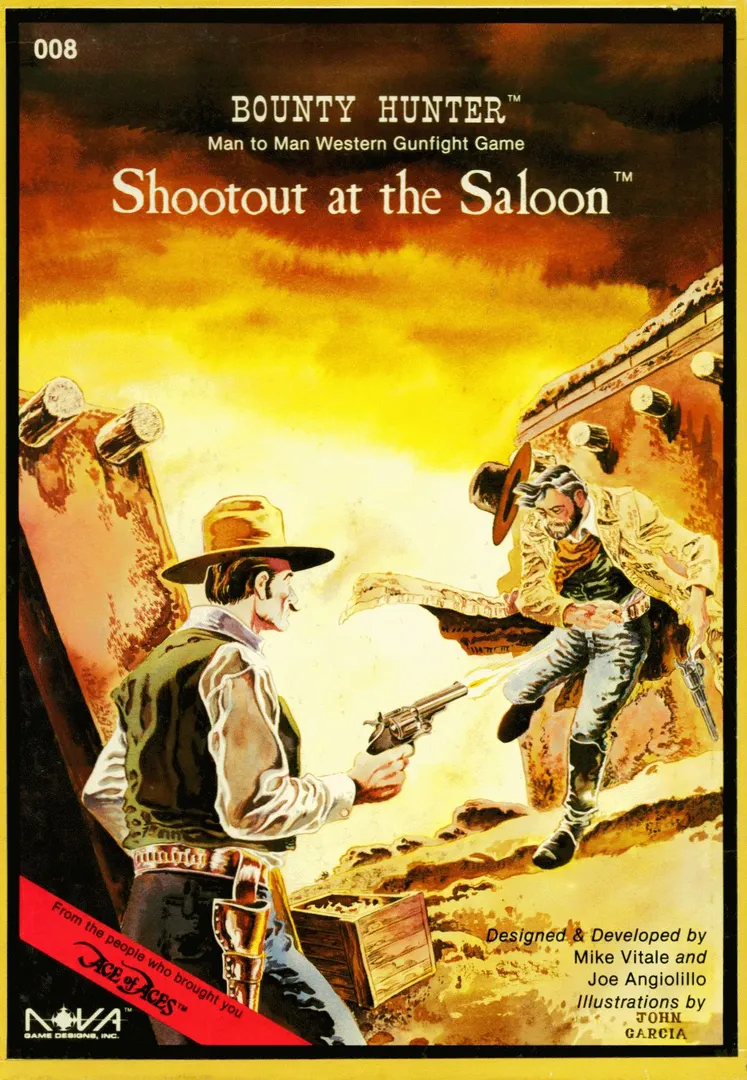
1982
Aiuto con le regole di Bounty Hunter: Shootout at the Saloon
Spiegazioni chiare di turni, effetti delle carte e situazioni dubbie, con riferimenti alle fonti ufficiali e cronologia delle domande salvata.
Per 2 giocatori
Cosa vuoi sapere?
Le risposte vengono dal regolamento ufficiale, con la pagina da verificare.
Bounty Hunter: Shootout at the Saloon è un gioco da tavolo pubblicato nel 1982 per 2 giocatori, con partite da 10 minuti e dai 12 anni in su. È stato ideato da Joe Angiolillo, Alfred Leonardi e Mike Vitale e le sue meccaniche principali sono Simultaneous Action Selection e Rock-Paper-Scissors.





In inglese
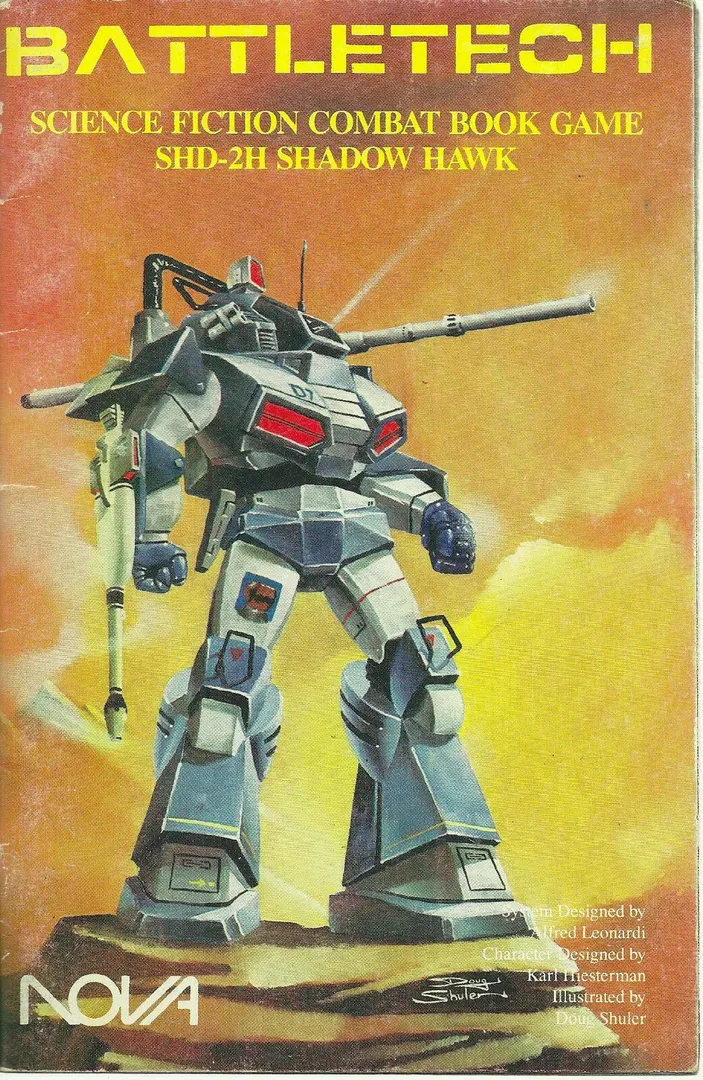
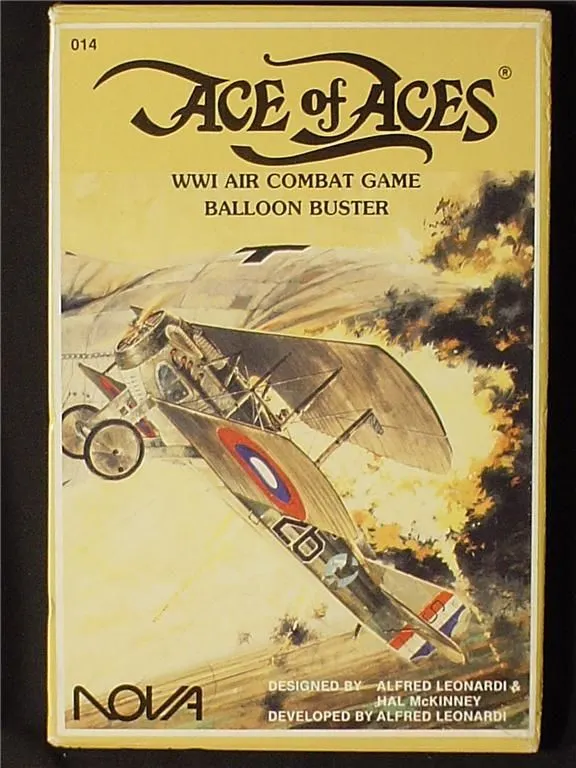
From The Box: Bounty Hunter is an exciting, fast-paced, realistic re-creation of gunfights and robberies in the WILD WEST. Using the revolutionary stop-action picture book system of the award-winning Ace of Aces, Bounty Hunter contains two books, each with 290 views in and around the saloon of an old-time Wild West town. With up to 18 possible moves each turn, you move your character to intercept your opponents and build skill and reputation for use in future games of Bounty Hunter. Keep track of your character as he gains money, becomes more famous and more skilled in his weapons. You will develop characters with stories to rival those of Jesse James, Wyatt Earp and Bat Masterson. Components: 2 Stop-Action picture books; 1 lawman and 1 outlaw Character Sheets Reference Tables (shot sequence, skill points, reputation, etc.) Aiming Silhouettes (several pages at different ranges, different positions) Book mechanic also featured in: Ace of Aces: Handy Rotary Series Dragonriders of Pern: The Book Game Star Wars: Starfighter Battle Book
Secondo il catalogo, Bounty Hunter: Shootout at the Saloon supporta 2 giocatori. È il numero di giocatori indicato dall’editore, quindi il gioco è pensato esattamente per quel numero di partecipanti. Le varianti per gruppi di altre dimensioni, se esistono, sono descritte nel regolamento della tua edizione: consultalo prima di preparare una configurazione diversa.
La durata indicata per Bounty Hunter: Shootout at the Saloon è di 10 minuti, la stima dell’editore per una partita completa. La durata effettiva dipende dal gruppo, dal numero di giocatori e dalla conoscenza delle regole: le prime partite durano di più, i gruppi esperti finiscono prima. Preparazione e spiegazione delle regole non sono comprese nella stima.
Il catalogo indica Bounty Hunter: Shootout at the Saloon dai 12 anni in su. È la raccomandazione dell’editore e tiene conto della lettura richiesta, della complessità delle regole e dei componenti piccoli, non solo del tema. I più giovani spesso possono giocare con l’aiuto di un adulto: controlla l’età consigliata sulla tua edizione e l’esperienza del tuo gruppo con i giochi da tavolo.
Bounty Hunter: Shootout at the Saloon ha un punteggio di complessità di 1,9 su 5 secondo i giocatori di BoardGameGeek, il che lo rende un gioco leggero. Il punteggio riflette quanta conoscenza delle regole, pianificazione e decisioni richiede una partita tipica. I giochi impegnativi richiedono una prima spiegazione più lunga, quindi conviene usare una guida di preparazione.
Bounty Hunter: Shootout at the Saloon appartiene a queste categorie: Fighting, American West e Book. Le sue meccaniche principali sono Simultaneous Action Selection e Rock-Paper-Scissors. Le categorie descrivono il tema e l’ambientazione di un gioco, mentre le meccaniche descrivono ciò che i giocatori fanno davvero nel proprio turno. Ogni meccanica porta a una pagina del catalogo con giochi simili.
Gli autori accreditati di Bounty Hunter: Shootout at the Saloon sono: Joe Angiolillo, Alfred Leonardi e Mike Vitale. Questi crediti provengono dai dati pubblicati del gioco e indicano le persone responsabili della sua progettazione, non gli illustratori o gli editori. Le pagine degli autori su MeepleRules raccolgono altri titoli degli stessi autori, utili quando un gioco ti piace e ne cerchi di simili.
Il catalogo classifica Bounty Hunter: Shootout at the Saloon come gioco base. Si gioca da solo con i componenti presenti nella scatola e non richiede altri titoli. Le espansioni, se esistono, aggiungono nuovo contenuto o nuove regole e sono elencate separatamente nel catalogo con un collegamento a questo gioco base.