
- Valutazione BGG
- 7,7
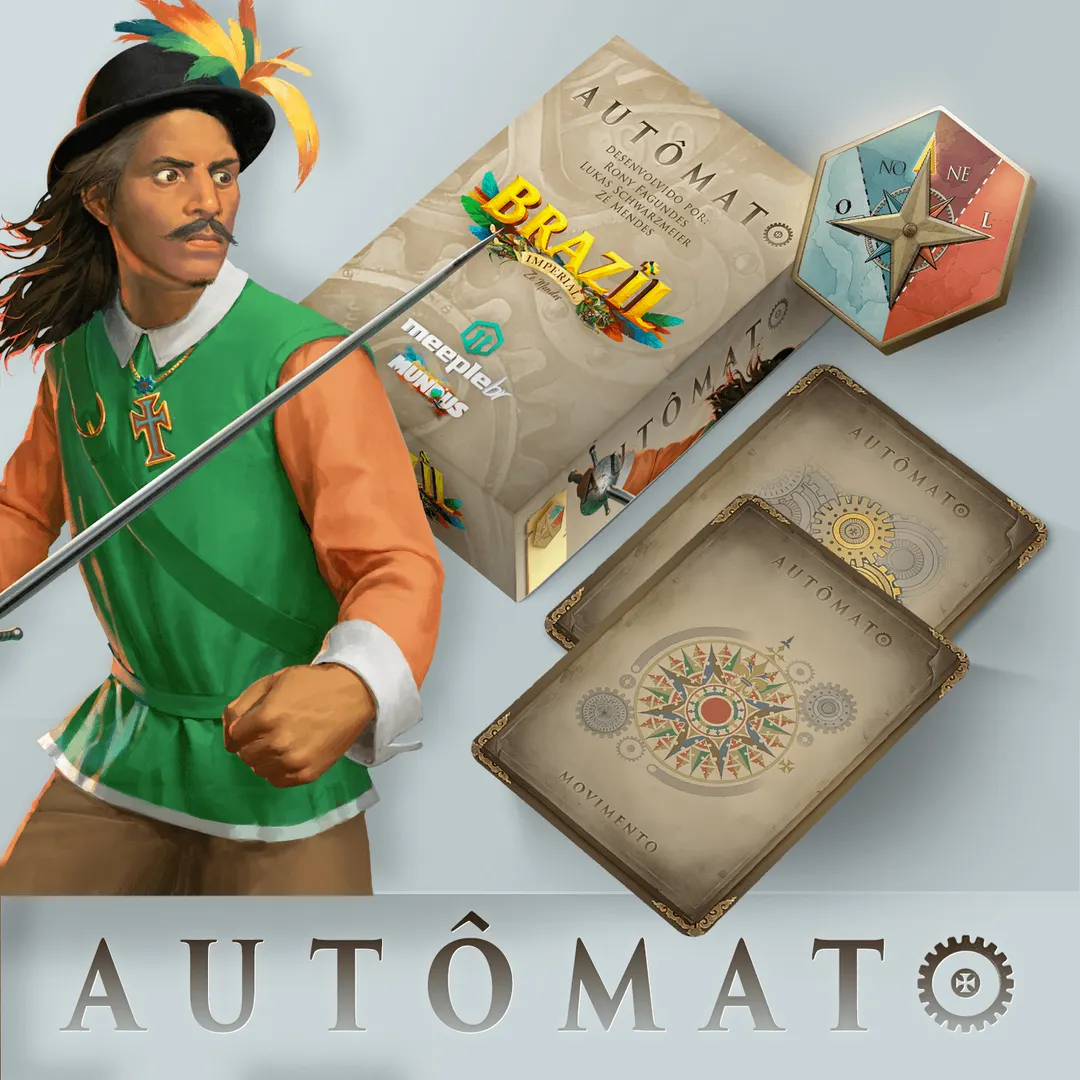
Brazil: Imperial – Autômato
- 1–4 giocatori
- 100 min
- Complessità 2,8/5
- 2022

2021
Aiuto con le regole di Brazil: Imperial
Spiegazioni chiare di turni, effetti delle carte e situazioni dubbie, con riferimenti alle fonti ufficiali e cronologia delle domande salvata.
Per 1 giocatore
Cosa vuoi sapere?
Le risposte vengono dal regolamento ufficiale, con la pagina da verificare.
Brazil: Imperial è un gioco da tavolo pubblicato nel 2021 per 1–4 giocatori, con partite da 100 minuti e dai 14 anni in su. È stato ideato da Zé Mendes e le sue meccaniche principali sono Variable Player Powers, Tile Placement e Grid Movement.





In inglese
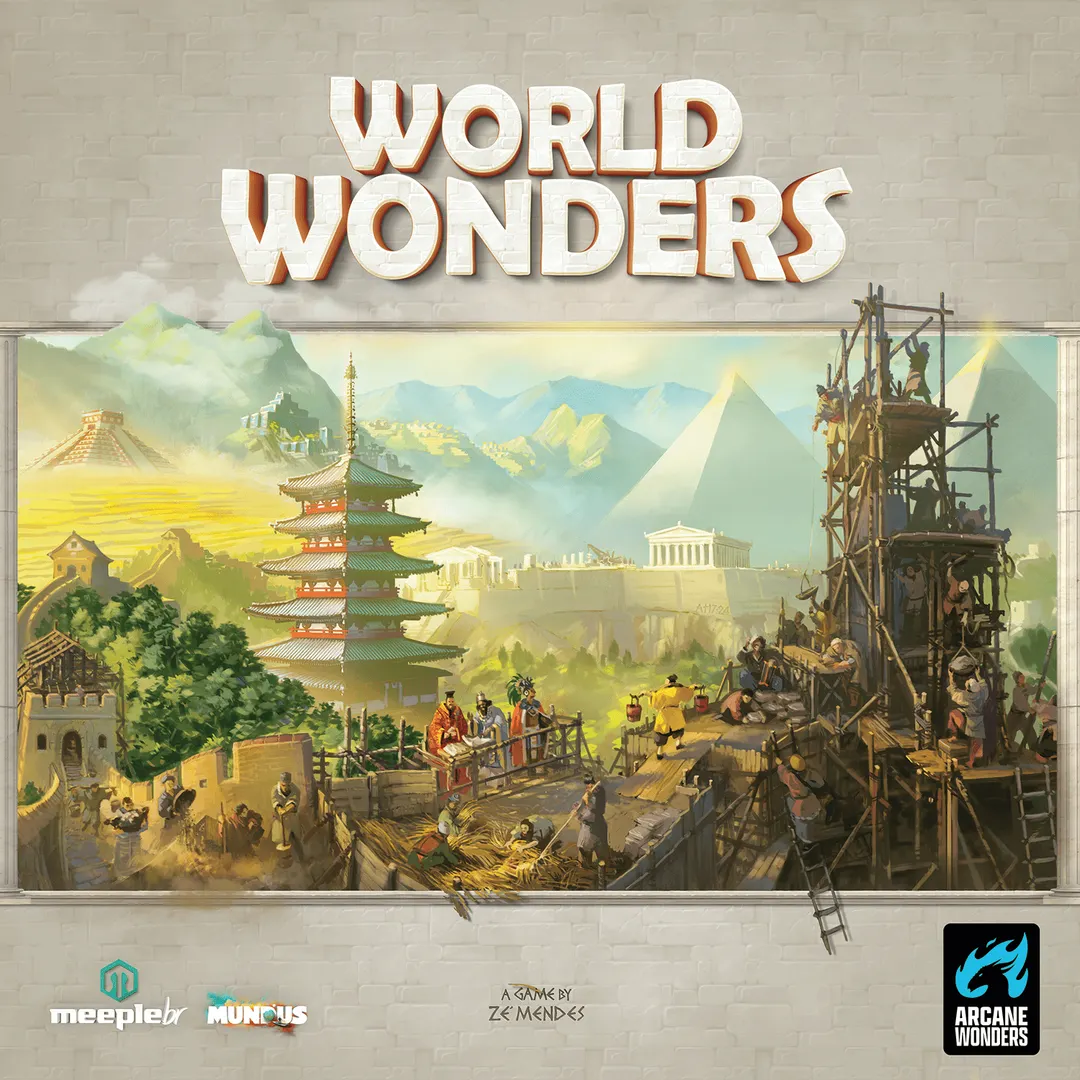
Take on the role of one of the great monarchs of the past, and show your valor! You will arrive in a vast and rich territory, but the road to the prosperity is filled with challenges. In Brazil: Imperial, you need to construct buildings, manage resources, explore the land, create trade, acquire the support of the greatest personalities of the country, and recruit a powerful army to protect your interest against the rival states. If you make the right choices, you can complete missions to progress to a more advanced era, receiving new interesting options of development and victory points. In the end, the best monarch receives the title of Brazilian Emperor and constructs a new era of prosperity, freedom and peace! In more detail, while playing in a modular map board that recreate real regions, you use a combination of worker placement, area majority, and individual powers to construct an empire in Brazil between the 16th and 19th centuries. You start by choosing one of the available monarchs and its personal game board and components; some monarchs are strong in combat, while others prioritize science or exploration. You receive tasks that advance you to a new era when you complete them, giving you access to more power constructions as you move into the second and third eras of the game, then you choose a starting point on the shared map. On each turn, you can participate in an action phase and a movement phase. You manage actions on your individual game board, and you have these seven choices: Deploy: Summon one military unit to explore and defend your territory. Frame: Buy cards that represent famous historic figures to receive special powers and victory points. Build: Construct farms, mines, cities, and other structures to generate resources and do other things. Renovate: Overhaul an old building to produce new resources. Manufacture: Produce basic resources — wood, sugar cane, cotton, or coffee — to receive victory points, improve your "action arches", and have raw material for more valuable products. Harbor: Go to the port to receive a small amount of basic resources. Trade: Sell your basic resources to receive gold and special cards to improve your empire. During the movement phase, you can explore hidden places or attack other players. For combat, you check the power of the troops involved in the conflict to determine the winner, with cards being able to modify these values. Once a player completes their goals in the third era, the game ends and players tally their scores. Brazil: Imperial was developed with the concept of it being "Euro X", a new style of game that combines Eurogames (in which you collect and manage resources) and 4x games (in which you explore, expand, exploit and exterminate). A new concept of maps was also introduced in this game. All maps are different and created with modular boards that recreate real regions of Brazil and the world. Each game you can focus on resource management, combat, or a combination of both, depending on your choice of monarch and the interaction with other players.
Secondo il catalogo, Brazil: Imperial supporta da 1 a 4 giocatori. L’intervallo corrisponde al numero di giocatori indicato dall’editore, quindi il gioco si può preparare per qualsiasi gruppo entro quei limiti. Preparazione, alcune regole e punteggio possono comunque variare in base al numero di giocatori: controlla la configurazione esatta nel regolamento della tua edizione.
La durata indicata per Brazil: Imperial è di 100 minuti, la stima dell’editore per una partita completa. La durata effettiva dipende dal gruppo, dal numero di giocatori e dalla conoscenza delle regole: le prime partite durano di più, i gruppi esperti finiscono prima. Preparazione e spiegazione delle regole non sono comprese nella stima.
Il catalogo indica Brazil: Imperial dai 14 anni in su. È la raccomandazione dell’editore e tiene conto della lettura richiesta, della complessità delle regole e dei componenti piccoli, non solo del tema. I più giovani spesso possono giocare con l’aiuto di un adulto: controlla l’età consigliata sulla tua edizione e l’esperienza del tuo gruppo con i giochi da tavolo.
Brazil: Imperial ha un punteggio di complessità di 3,0 su 5 secondo i giocatori di BoardGameGeek, il che lo rende un gioco di media complessità. Il punteggio riflette quanta conoscenza delle regole, pianificazione e decisioni richiede una partita tipica. I giochi impegnativi richiedono una prima spiegazione più lunga, quindi conviene usare una guida di preparazione.
Brazil: Imperial appartiene a queste categorie: Territory Building, Exploration e City Building. Le sue meccaniche principali sono Variable Player Powers, Tile Placement e Grid Movement. Le categorie descrivono il tema e l’ambientazione di un gioco, mentre le meccaniche descrivono ciò che i giocatori fanno davvero nel proprio turno. Ogni meccanica porta a una pagina del catalogo con giochi simili.
Gli autori accreditati di Brazil: Imperial sono: Zé Mendes. Questi crediti provengono dai dati pubblicati del gioco e indicano le persone responsabili della sua progettazione, non gli illustratori o gli editori. Le pagine degli autori su MeepleRules raccolgono altri titoli degli stessi autori, utili quando un gioco ti piace e ne cerchi di simili.
Il catalogo classifica Brazil: Imperial come gioco base. Si gioca da solo con i componenti presenti nella scatola e non richiede altri titoli. Le espansioni, se esistono, aggiungono nuovo contenuto o nuove regole e sono elencate separatamente nel catalogo con un collegamento a questo gioco base.