
- Posizione BGG
- BGG #9307
- Valutazione BGG
- 7,9
WARIGIN
- 2–3 giocatori
- 15–60 min
- Complessità 2,3/5
- 2018
2013
Aiuto con le regole di C.O.A.L.: Combat-Oriented Armored League
Spiegazioni chiare di turni, effetti delle carte e situazioni dubbie, con riferimenti alle fonti ufficiali e cronologia delle domande salvata.
Per 2 giocatori
Cosa vuoi sapere?
Le risposte vengono dal regolamento ufficiale, con la pagina da verificare.
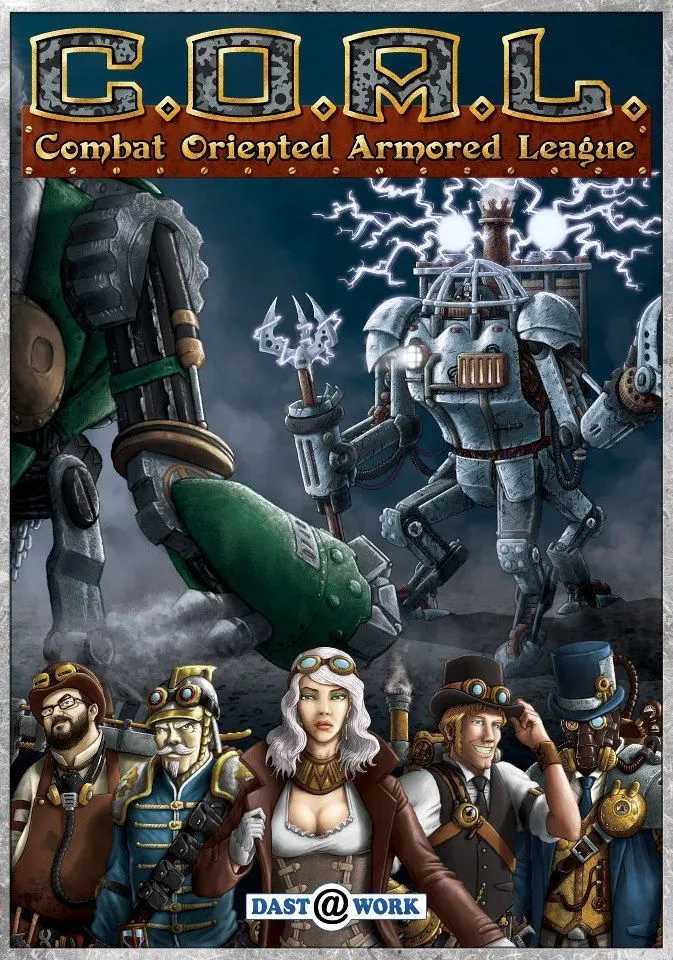
C.O.A.L.: Combat-Oriented Armored League è un gioco da tavolo pubblicato nel 2013 per 2–4 giocatori, con partite da 10 minuti e dai 8 anni in su. È stato ideato da Stefano Castelli e le sue meccaniche principali sono Variable Player Powers, Memory e Open Drafting.




In inglese
In a world in which computers have never been invented and coal is the most precious resource, a group of brave pilots board their armored steambots, take their place in the pilot seats of these 30-feet-tall, steam-powered fighting machines, and drive them into fierce arena battles. This is C.O.A.L.: Combat-Oriented Armored League, a two- to four-player card game with a steampunk setting. C.O.A.L. uses an original game mechanism that combines resource management, bluffing, and memory to simulate the heat of a real battle. The game includes four steambot models – each with its own features, attacks, and defensive maneuvers – and eight different pilots, which have special piloting abilities of their own. C.O.A.L.: Combat-Oriented Armored League includes customized rules for two-player games, for battles with three or four players, and for two-vs-two partnership games. Deck-building rules are included for advanced players who want to combine parts to build different steambot models. Duels are quick, typically ending in about ten minutes.
Secondo il catalogo, C.O.A.L.: Combat-Oriented Armored League supporta da 2 a 4 giocatori. L’intervallo corrisponde al numero di giocatori indicato dall’editore, quindi il gioco si può preparare per qualsiasi gruppo entro quei limiti. Preparazione, alcune regole e punteggio possono comunque variare in base al numero di giocatori: controlla la configurazione esatta nel regolamento della tua edizione.
La durata indicata per C.O.A.L.: Combat-Oriented Armored League è di 10 minuti, la stima dell’editore per una partita completa. La durata effettiva dipende dal gruppo, dal numero di giocatori e dalla conoscenza delle regole: le prime partite durano di più, i gruppi esperti finiscono prima. Preparazione e spiegazione delle regole non sono comprese nella stima.
Il catalogo indica C.O.A.L.: Combat-Oriented Armored League dai 8 anni in su. È la raccomandazione dell’editore e tiene conto della lettura richiesta, della complessità delle regole e dei componenti piccoli, non solo del tema. I più giovani spesso possono giocare con l’aiuto di un adulto: controlla l’età consigliata sulla tua edizione e l’esperienza del tuo gruppo con i giochi da tavolo.
C.O.A.L.: Combat-Oriented Armored League ha un punteggio di complessità di 2,4 su 5 secondo i giocatori di BoardGameGeek, il che lo rende un gioco piuttosto leggero. Il punteggio riflette quanta conoscenza delle regole, pianificazione e decisioni richiede una partita tipica. I giochi impegnativi richiedono una prima spiegazione più lunga, quindi conviene usare una guida di preparazione.
C.O.A.L.: Combat-Oriented Armored League appartiene a queste categorie: Card Game, Fighting e Bluffing. Le sue meccaniche principali sono Variable Player Powers, Memory e Open Drafting. Le categorie descrivono il tema e l’ambientazione di un gioco, mentre le meccaniche descrivono ciò che i giocatori fanno davvero nel proprio turno. Ogni meccanica porta a una pagina del catalogo con giochi simili.
Gli autori accreditati di C.O.A.L.: Combat-Oriented Armored League sono: Stefano Castelli. Questi crediti provengono dai dati pubblicati del gioco e indicano le persone responsabili della sua progettazione, non gli illustratori o gli editori. Le pagine degli autori su MeepleRules raccolgono altri titoli degli stessi autori, utili quando un gioco ti piace e ne cerchi di simili.
Il catalogo classifica C.O.A.L.: Combat-Oriented Armored League come gioco base. Si gioca da solo con i componenti presenti nella scatola e non richiede altri titoli. Le espansioni, se esistono, aggiungono nuovo contenuto o nuove regole e sono elencate separatamente nel catalogo con un collegamento a questo gioco base.