
- Posizione BGG
- BGG #8159
- Valutazione BGG
- 6,6
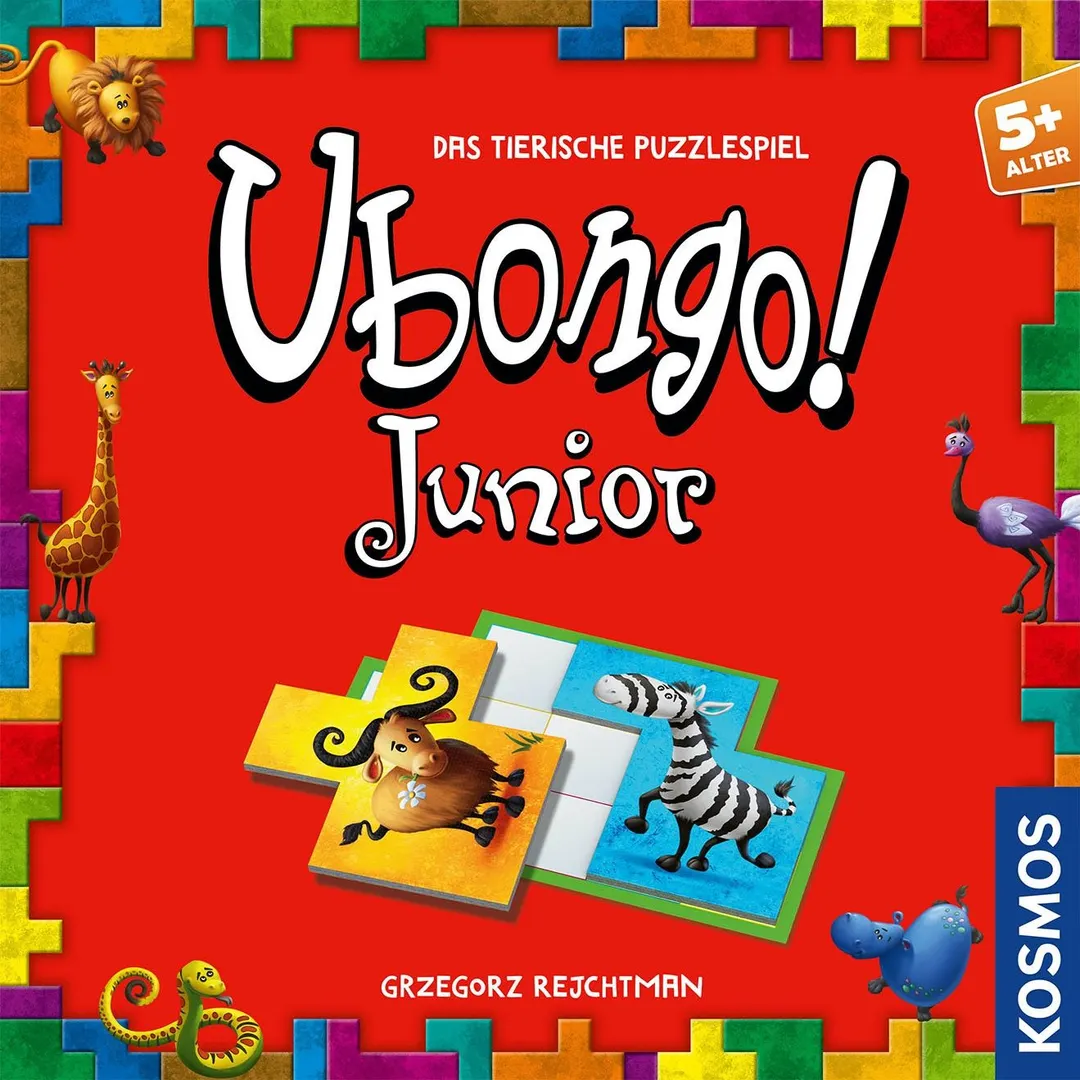
Ubongo! Junior
- 2–4 giocatori
- 20 min
- Complessità 1,5/5
- 2012
2008
Aiuto con le regole di Code Omega
Spiegazioni chiare di turni, effetti delle carte e situazioni dubbie, con riferimenti alle fonti ufficiali e cronologia delle domande salvata.
Per 2 giocatori
Cosa vuoi sapere?
Le risposte vengono dal regolamento ufficiale, con la pagina da verificare.
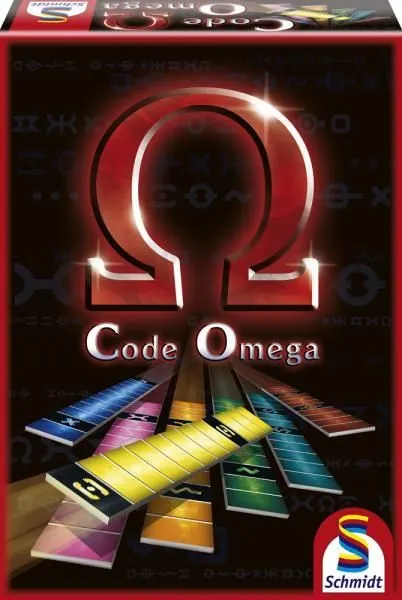
Code Omega è un gioco da tavolo pubblicato nel 2008 per 2–6 giocatori, con partite da 30 minuti e dai 8 anni in su. È stato ideato da Grzegorz Rejchtman e le sue meccaniche principali sono Tile Placement.
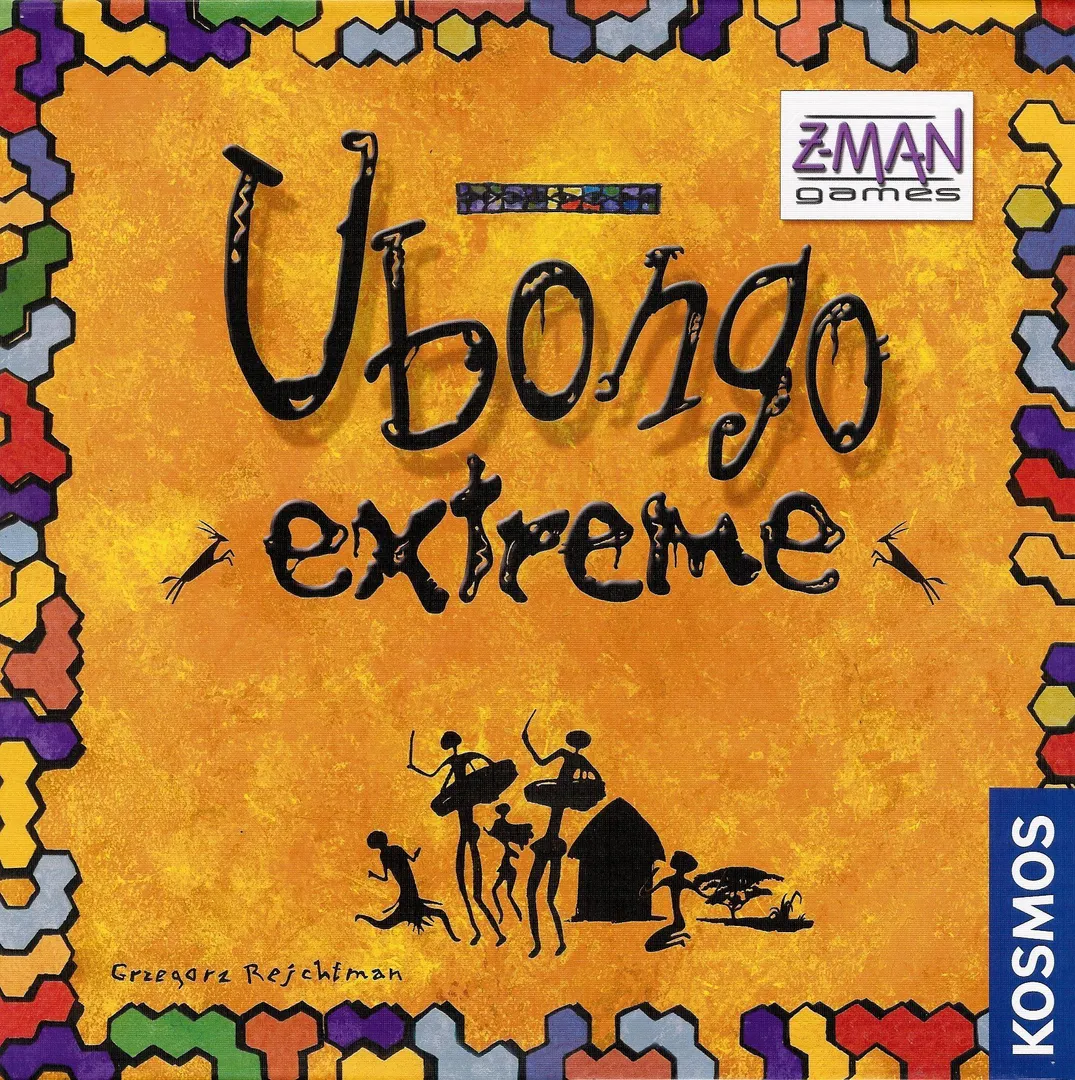
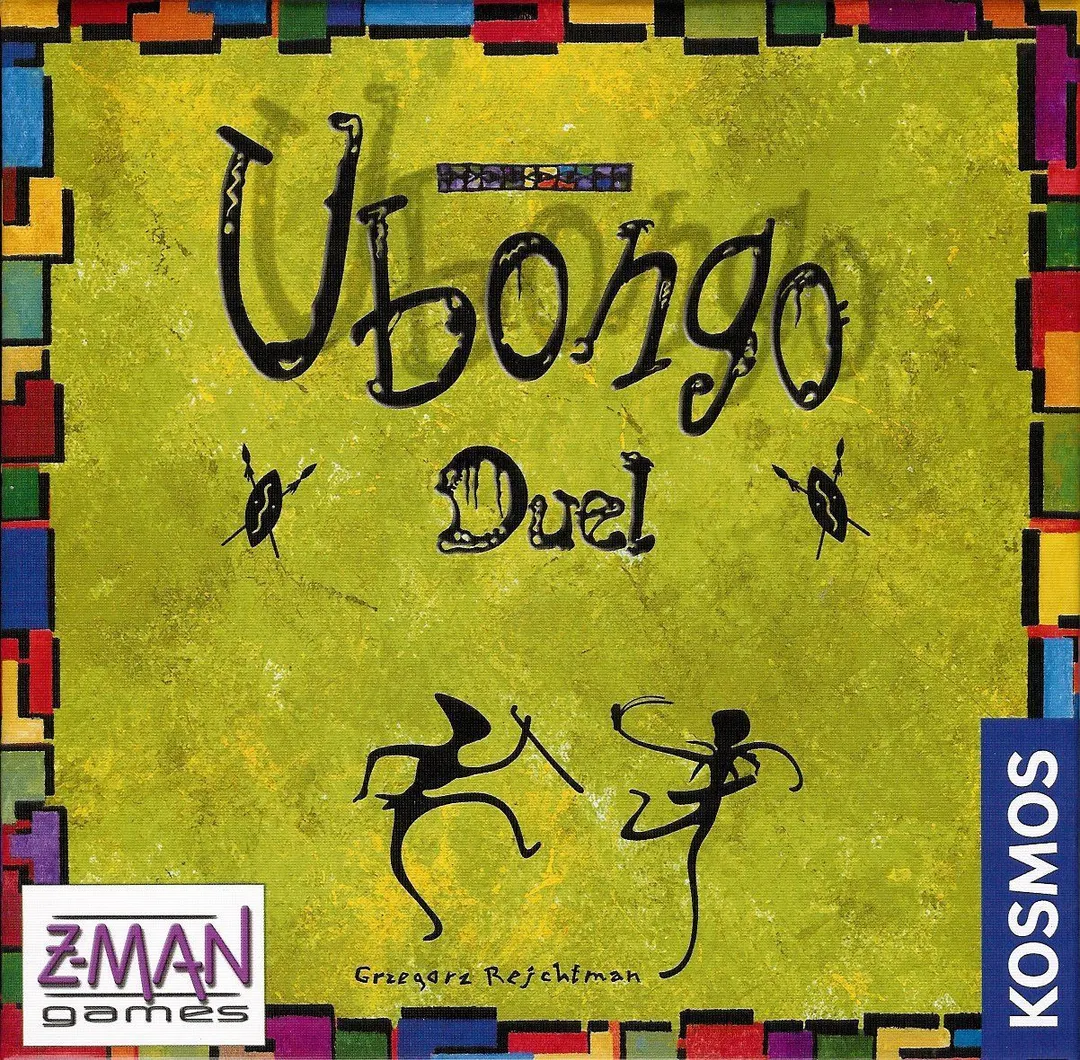

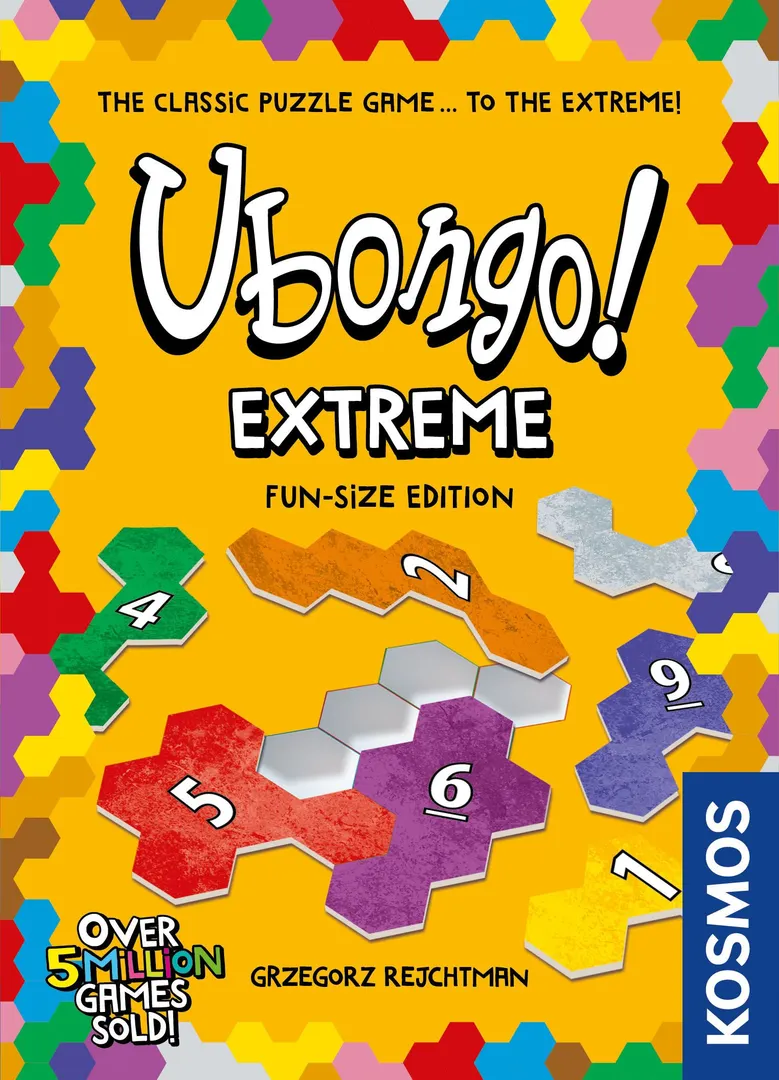
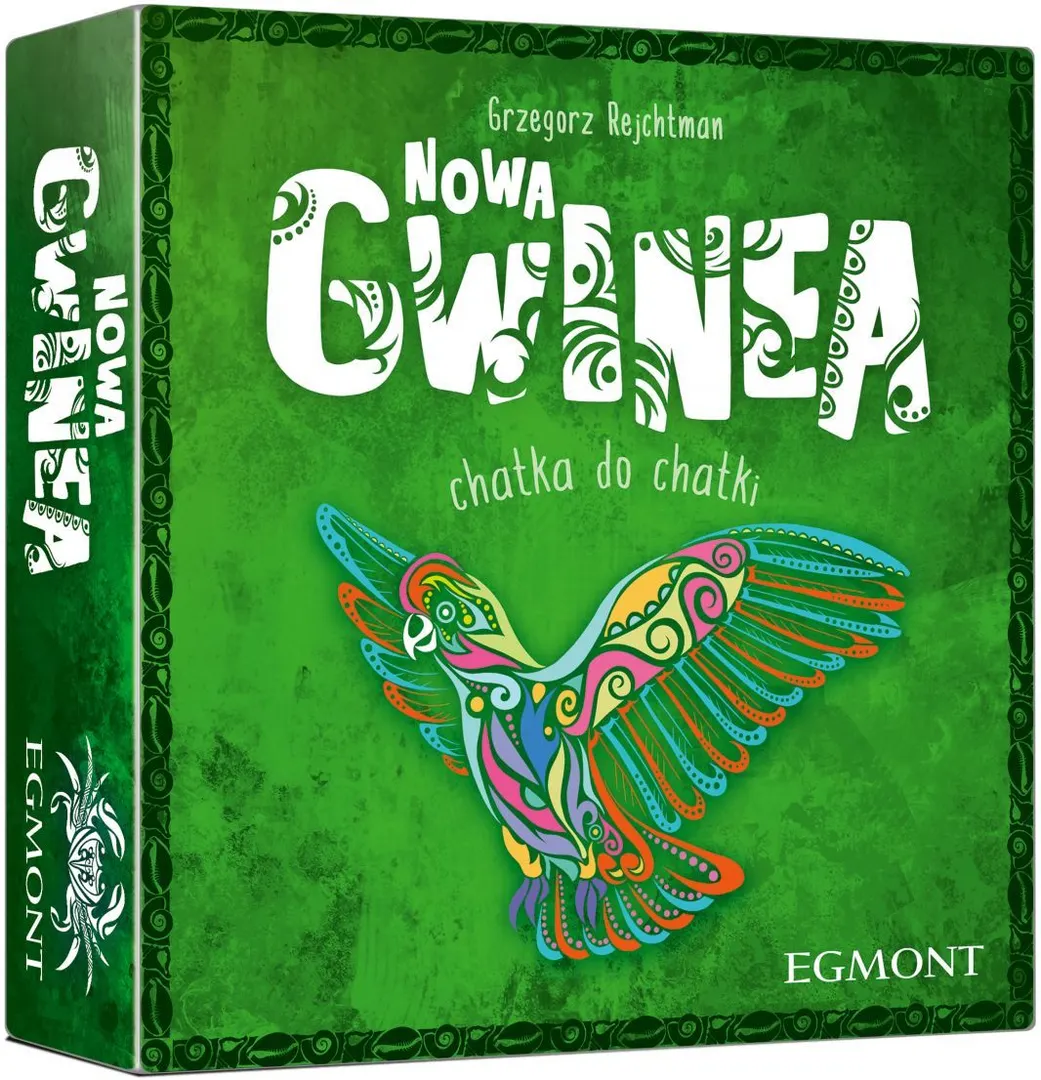
In inglese
Code Omega is a speed puzzle solving game. Players each have a set of colored strips, with each strip containing a couple black bars across them, with the goal of solving puzzles by aligning the black bars on those strips. At the beginning of each round, each player takes a board which limits the placement of strips. The board also shows eight groupings of strips that may be used for the round (3 strips for a beginner game, and 4 strips for the advanced game). A player then rolls an 8 sided die which dictates which grouping must be used for the round, and then players race to fit the strips onto their boards in a way that creates a continuous black bar across all of them by ordering and lining the strips up properly. The first player to finish gets to roll 4 dice, the results of which allow the player to advance down a scoring track. The second player to finish gets to roll 3 dice, and all other players who complete the puzzle in the time limit get to roll 2 dice. So, finishing early means a better chance to advance further on the score track, but does not guarantee victory due to the luck element. Once a player advances to the end of the score track, the game is complete and that player wins!
Secondo il catalogo, Code Omega supporta da 2 a 6 giocatori. L’intervallo corrisponde al numero di giocatori indicato dall’editore, quindi il gioco si può preparare per qualsiasi gruppo entro quei limiti. Preparazione, alcune regole e punteggio possono comunque variare in base al numero di giocatori: controlla la configurazione esatta nel regolamento della tua edizione.
La durata indicata per Code Omega è di 30 minuti, la stima dell’editore per una partita completa. La durata effettiva dipende dal gruppo, dal numero di giocatori e dalla conoscenza delle regole: le prime partite durano di più, i gruppi esperti finiscono prima. Preparazione e spiegazione delle regole non sono comprese nella stima.
Il catalogo indica Code Omega dai 8 anni in su. È la raccomandazione dell’editore e tiene conto della lettura richiesta, della complessità delle regole e dei componenti piccoli, non solo del tema. I più giovani spesso possono giocare con l’aiuto di un adulto: controlla l’età consigliata sulla tua edizione e l’esperienza del tuo gruppo con i giochi da tavolo.
Code Omega ha un punteggio di complessità di 1,6 su 5 secondo i giocatori di BoardGameGeek, il che lo rende un gioco leggero. Il punteggio riflette quanta conoscenza delle regole, pianificazione e decisioni richiede una partita tipica. I giochi impegnativi richiedono una prima spiegazione più lunga, quindi conviene usare una guida di preparazione.
Code Omega appartiene a queste categorie: Puzzle e Real-time. Le sue meccaniche principali sono Tile Placement. Le categorie descrivono il tema e l’ambientazione di un gioco, mentre le meccaniche descrivono ciò che i giocatori fanno davvero nel proprio turno. Ogni meccanica porta a una pagina del catalogo con giochi simili.
Gli autori accreditati di Code Omega sono: Grzegorz Rejchtman. Questi crediti provengono dai dati pubblicati del gioco e indicano le persone responsabili della sua progettazione, non gli illustratori o gli editori. Le pagine degli autori su MeepleRules raccolgono altri titoli degli stessi autori, utili quando un gioco ti piace e ne cerchi di simili.
Il catalogo classifica Code Omega come gioco base. Si gioca da solo con i componenti presenti nella scatola e non richiede altri titoli. Le espansioni, se esistono, aggiungono nuovo contenuto o nuove regole e sono elencate separatamente nel catalogo con un collegamento a questo gioco base.