
- Posizione BGG
- BGG #3193
- Valutazione BGG
- 7,1
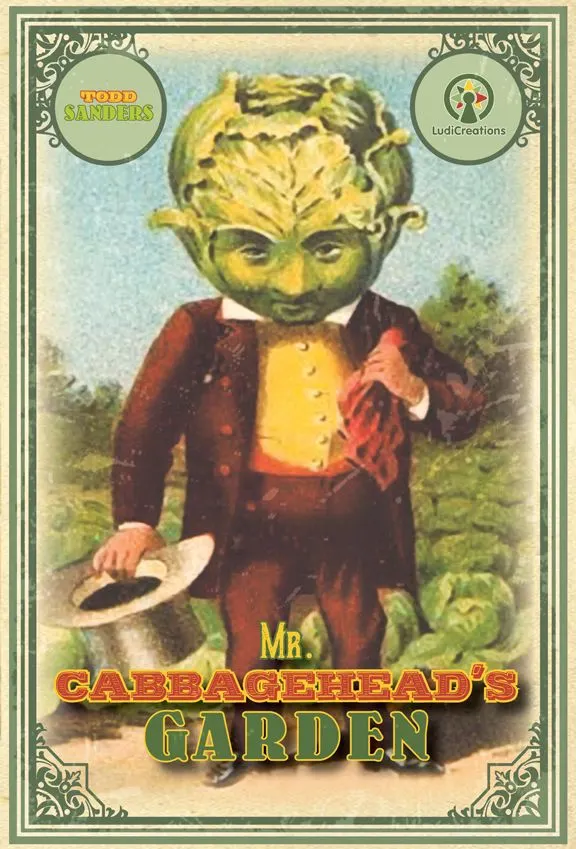
Mr. Cabbagehead's Garden
- 1–2 giocatori
- 10–20 min
- Complessità 1,7/5
- 2016
2015
Aiuto con le regole di Crashland
Spiegazioni chiare di turni, effetti delle carte e situazioni dubbie, con riferimenti alle fonti ufficiali e cronologia delle domande salvata.
Per 1 giocatore
Cosa vuoi sapere?
Le risposte vengono dal regolamento ufficiale, con la pagina da verificare.
Crashland è un gioco da tavolo pubblicato nel 2015 per 1 giocatore, con partite da 20 a 30 minuti e dai 10 anni in su. È stato ideato da Todd Sanders e le sue meccaniche principali sono Set Collection, Push Your Luck e Grid Movement.

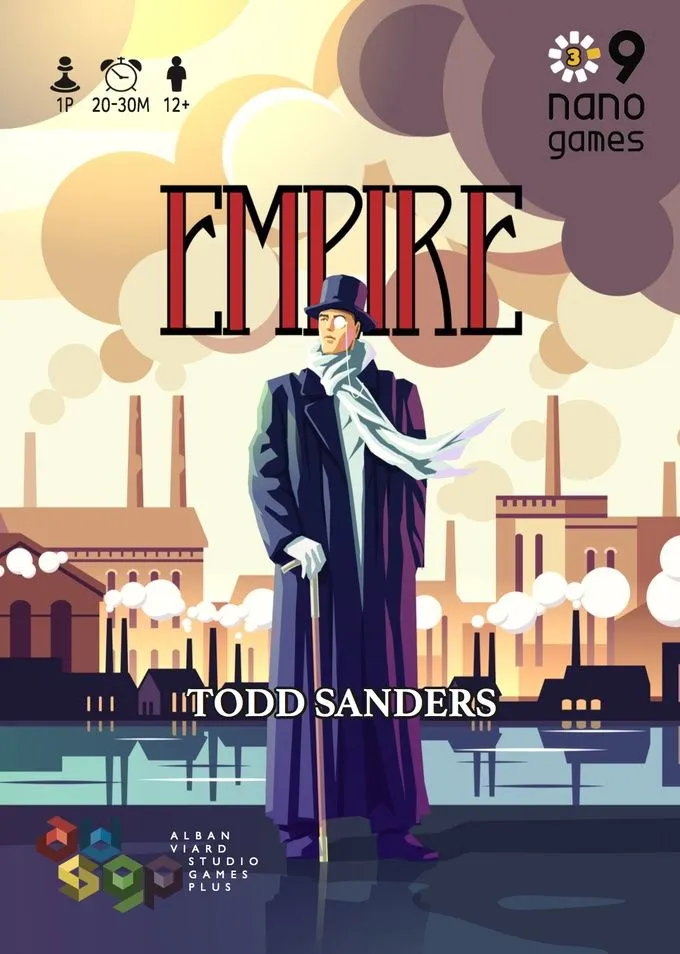
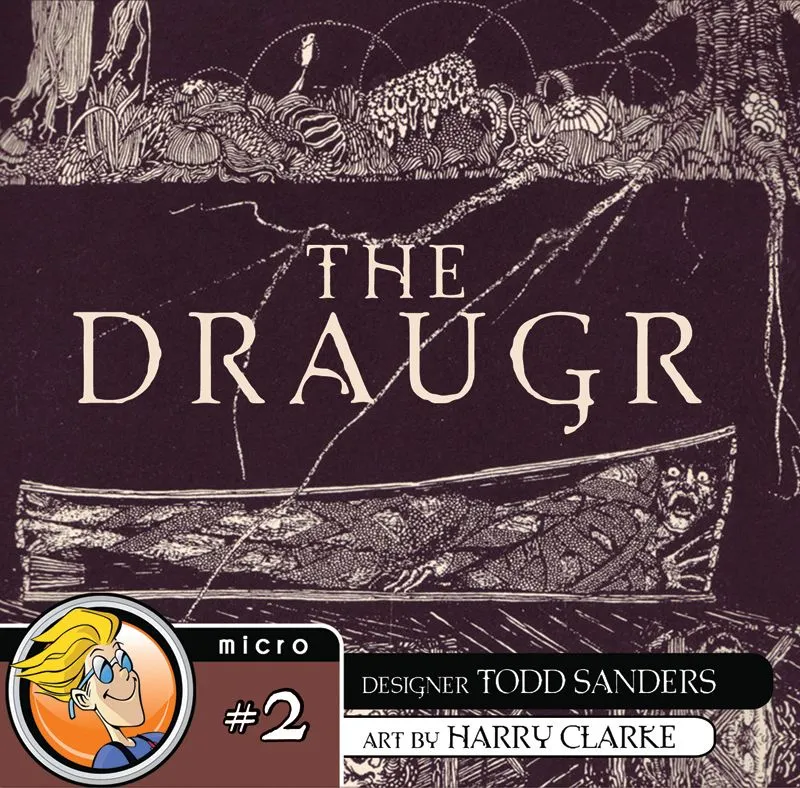
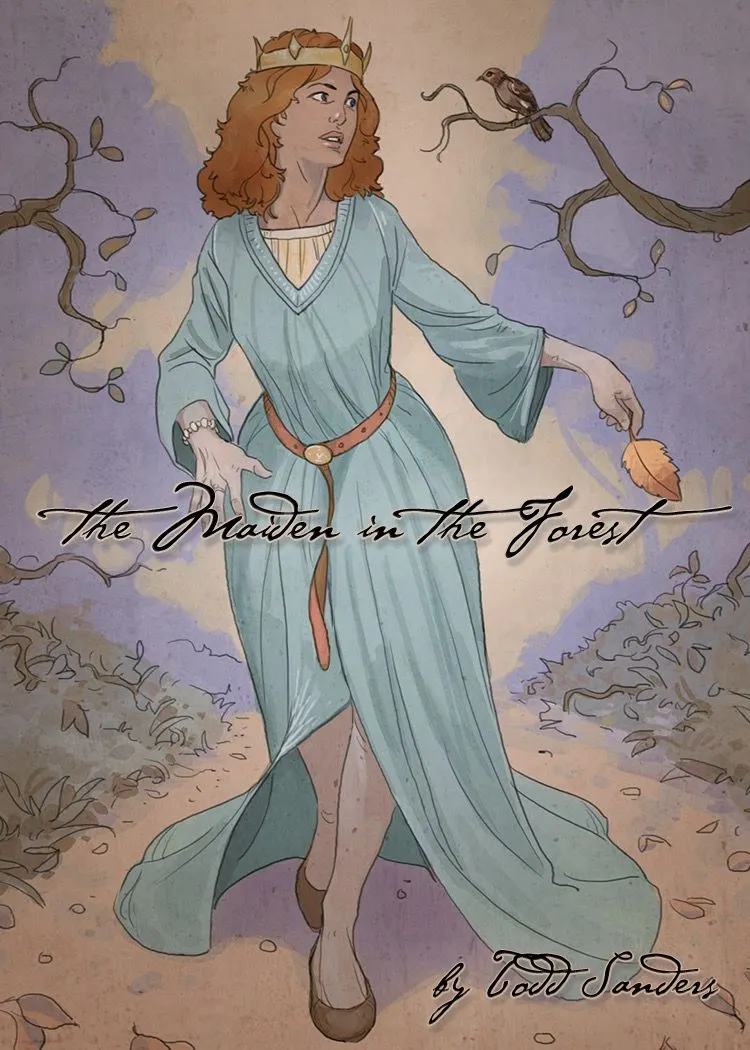

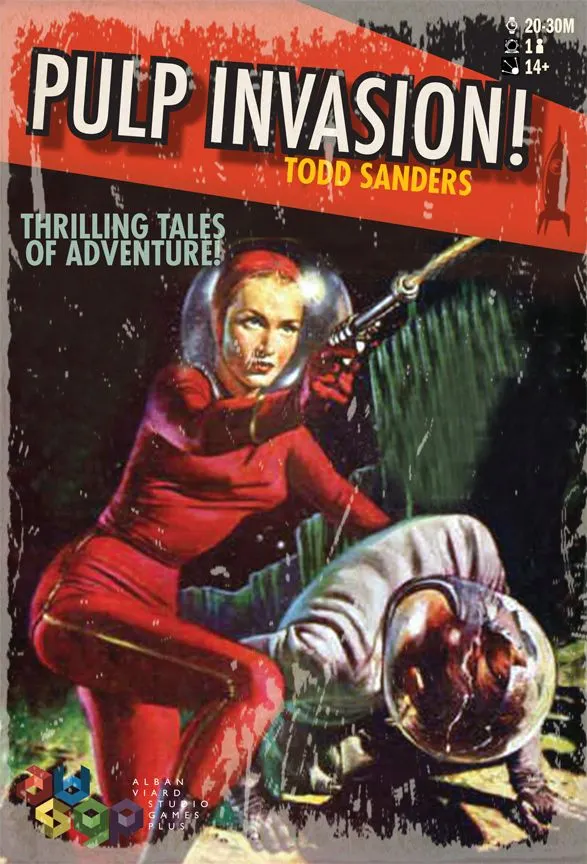
In inglese
You barely made it to the lunar surface with your spaceship. Out of fuel, you set down in a crater and view the airless landscape before you. Somewhere there are the fuel tanks you need. Can you find them in time? Aim of the Game! In this solitaire game, you must find three rocket fuel tanks and return to your spaceship before your spacesuit runs out of oxygen or battery power. If either of these levels drops below 1 during a systems check, you have lost the game. Needed to Play! The deck of Map Cards (30 cards) The deck of Event and Equipment Cards (21 cards) 1 Suit Card showing your remaining oxygen and battery power + 2 Tracking Cards which also include the Quick Rules Guide 1 Astronaut, 1 Spaceship, and 3 Fuel Tank counters Setting the Game Up! Shuffle the Map deck and deal the cards out face down in a 6 x 5 grid, there will be 5 rows of cards, each row will have 6 cards in it. Find the card on the grid with the Spaceship icon on it and turn this card over to the other side, placing your Spaceship and Astronaut on it. Playing the Game! Each turn of the game will consist of 3 phases: Phase 1. Movement At the beginning of your turn you must move your Astronaut, from the card it is currently on, any number of cards in an orthogonal direction (this means up or down, left or right). The first two cards in distance you move you may do so for free. For each additional card you move during the turn you must lose either 1 level of your Oxygen or 1 level of your Battery Power. Move the Tracking Cards down the Oxygen or Battery tracks as needed to record this. You may change directions as you move (i.e. 1 card to the left and then one card up). You may never move diagonally. You are trying to find, using your spacesuit’s equipment, a series of numbered beacons (in pairs) which will locate where the 3 Fuel Tanks are stored. These beacons give you a set of coordinates (one beacon points up and down, the other points left and right). You will need to locate the pair of matching numbered beacons and then move to the card the beacons point to. In the example to the right, X marks the spot where one of the Fuel Tanks is located. Phase 2. Events and Equipment After you have finished moving you must now draw 3 cards from the Events and Equipment deck. This deck has two types of cards. If this deck is empty when you go to draw a card, shuffle the discard pile to form a new deck to draw cards from. A. Event Cards - these cause you to lose Oxygen or Battery Power due to your exploration. B. Equipment Cards - these cause you to gain resources you need (Oxygen and Battery Power), as well as give you special actions to help in your exploration. Keep the Equipment cards in your hand from one turn to the next. You will need a pair of the same cards to gain the listed bonus. You may have no more than three Equipment cards in your hand at the end of the Events and Equipment phase. Phase 3. Systems Check You must now check your Suit Systems. If either your Oxygen or Battery Power level is below 1 you have lost the game. Do not forget that you may spend a pair of matching cards at anytime during the System Check phase (Phase 3) to gain the listed bonus, by placing the cards on the discard pile.
Secondo il catalogo, Crashland supporta 1 giocatore. È il numero di giocatori indicato dall’editore, quindi il gioco è pensato esattamente per quel numero di partecipanti. Le varianti per gruppi di altre dimensioni, se esistono, sono descritte nel regolamento della tua edizione: consultalo prima di preparare una configurazione diversa.
La durata indicata per Crashland è di 20–30 minuti, la stima dell’editore per una partita completa. La durata effettiva dipende dal gruppo, dal numero di giocatori e dalla conoscenza delle regole: le prime partite durano di più, i gruppi esperti finiscono prima. Preparazione e spiegazione delle regole non sono comprese nella stima.
Il catalogo indica Crashland dai 10 anni in su. È la raccomandazione dell’editore e tiene conto della lettura richiesta, della complessità delle regole e dei componenti piccoli, non solo del tema. I più giovani spesso possono giocare con l’aiuto di un adulto: controlla l’età consigliata sulla tua edizione e l’esperienza del tuo gruppo con i giochi da tavolo.
Crashland ha un punteggio di complessità di 2,0 su 5 secondo i giocatori di BoardGameGeek, il che lo rende un gioco piuttosto leggero. Il punteggio riflette quanta conoscenza delle regole, pianificazione e decisioni richiede una partita tipica. I giochi impegnativi richiedono una prima spiegazione più lunga, quindi conviene usare una guida di preparazione.
Crashland appartiene a queste categorie: Print & Play, Exploration e Science Fiction. Le sue meccaniche principali sono Set Collection, Push Your Luck e Grid Movement. Le categorie descrivono il tema e l’ambientazione di un gioco, mentre le meccaniche descrivono ciò che i giocatori fanno davvero nel proprio turno. Ogni meccanica porta a una pagina del catalogo con giochi simili.
Gli autori accreditati di Crashland sono: Todd Sanders. Questi crediti provengono dai dati pubblicati del gioco e indicano le persone responsabili della sua progettazione, non gli illustratori o gli editori. Le pagine degli autori su MeepleRules raccolgono altri titoli degli stessi autori, utili quando un gioco ti piace e ne cerchi di simili.
Il catalogo classifica Crashland come gioco base. Si gioca da solo con i componenti presenti nella scatola e non richiede altri titoli. Le espansioni, se esistono, aggiungono nuovo contenuto o nuove regole e sono elencate separatamente nel catalogo con un collegamento a questo gioco base.