

Deamon Dice: Blood Booster Pack
- 2–8 giocatori
- 20 min
- 2013
2013
Aiuto con le regole di Daemon Dice
Spiegazioni chiare di turni, effetti delle carte e situazioni dubbie, con riferimenti alle fonti ufficiali e cronologia delle domande salvata.
Per 2 giocatori
Cosa vuoi sapere?
Le risposte vengono dal regolamento ufficiale, con la pagina da verificare.
Daemon Dice è un gioco da tavolo pubblicato nel 2013 per 2–8 giocatori, con partite da 20 minuti e dai 10 anni in su. È stato ideato da Timothy B. Brown e Lester Smith e le sue meccaniche principali sono Dice Rolling.




In inglese
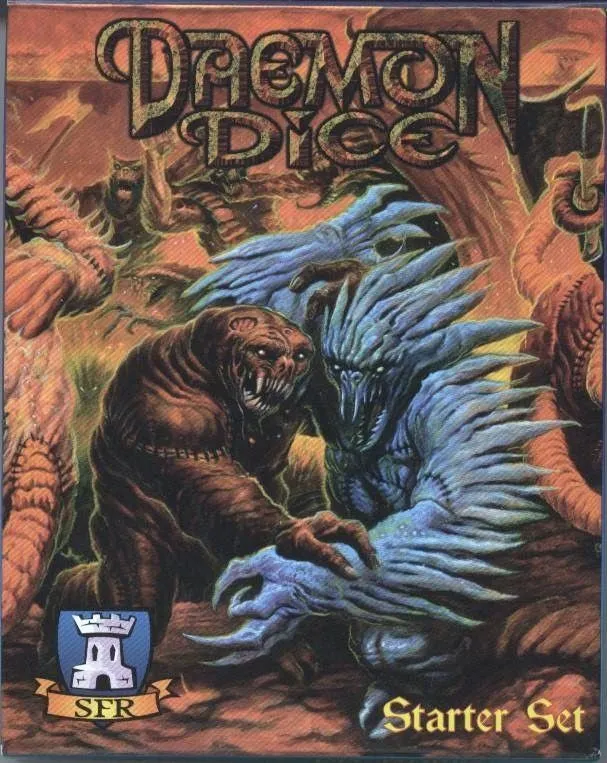
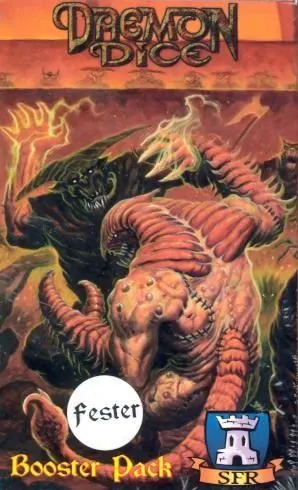
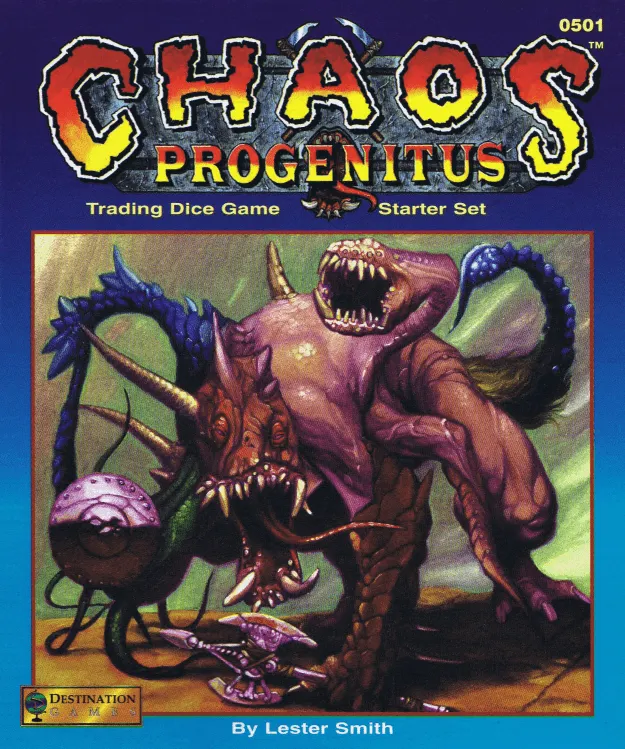
In the halls of Hell, the daemon lords settle their differences like gentlemen — which is to say, they send their minions to do battle for them, with the winner bringing honor for its master. The most powerful lords keep stables with hundreds of daemonish minions, monsters bred or just stitched together for nothing but combat. It isn't uncommon for these monsters' masters to invent a quarrel just to see their minions fight! Daemon Dice is a fast-paced game of individual combat between monsters of every shape and daemonish breed. Each player assembles a daemon from dice representing various body parts. These monsters are then pitted against each other in battle. A player loses if he cannot roll any dice on his turn. Originally designed by Lester Smith as Chaos Progenitus, the rules for Daemon Dice have been developed further by Chuck Pint and Cliff Wiggs of SFR, Inc. The Daemon Dice starter includes 26 18mm 6-sided custom dice, enough for two players to begin their diabolic battles: 13 assorted body parts for each of two breeds of daemon (Frost and Rot). Additional expansions will be released to add new breeds of daemons to your battles, and to add powerful new weapons to the combat.
Secondo il catalogo, Daemon Dice supporta da 2 a 8 giocatori. L’intervallo corrisponde al numero di giocatori indicato dall’editore, quindi il gioco si può preparare per qualsiasi gruppo entro quei limiti. Preparazione, alcune regole e punteggio possono comunque variare in base al numero di giocatori: controlla la configurazione esatta nel regolamento della tua edizione.
La durata indicata per Daemon Dice è di 20 minuti, la stima dell’editore per una partita completa. La durata effettiva dipende dal gruppo, dal numero di giocatori e dalla conoscenza delle regole: le prime partite durano di più, i gruppi esperti finiscono prima. Preparazione e spiegazione delle regole non sono comprese nella stima.
Il catalogo indica Daemon Dice dai 10 anni in su. È la raccomandazione dell’editore e tiene conto della lettura richiesta, della complessità delle regole e dei componenti piccoli, non solo del tema. I più giovani spesso possono giocare con l’aiuto di un adulto: controlla l’età consigliata sulla tua edizione e l’esperienza del tuo gruppo con i giochi da tavolo.
Daemon Dice ha un punteggio di complessità di 1,0 su 5 secondo i giocatori di BoardGameGeek, il che lo rende un gioco leggero. Il punteggio riflette quanta conoscenza delle regole, pianificazione e decisioni richiede una partita tipica. I giochi impegnativi richiedono una prima spiegazione più lunga, quindi conviene usare una guida di preparazione.
Daemon Dice appartiene a queste categorie: Fantasy, Dice e Collectible Components. Le sue meccaniche principali sono Dice Rolling. Le categorie descrivono il tema e l’ambientazione di un gioco, mentre le meccaniche descrivono ciò che i giocatori fanno davvero nel proprio turno. Ogni meccanica porta a una pagina del catalogo con giochi simili.
Gli autori accreditati di Daemon Dice sono: Timothy B. Brown e Lester Smith. Questi crediti provengono dai dati pubblicati del gioco e indicano le persone responsabili della sua progettazione, non gli illustratori o gli editori. Le pagine degli autori su MeepleRules raccolgono altri titoli degli stessi autori, utili quando un gioco ti piace e ne cerchi di simili.
Il catalogo classifica Daemon Dice come gioco base. Si gioca da solo con i componenti presenti nella scatola e non richiede altri titoli. Le espansioni, se esistono, aggiungono nuovo contenuto o nuove regole e sono elencate separatamente nel catalogo con un collegamento a questo gioco base.