
- Posizione BGG
- BGG #286
- Valutazione BGG
- 7,5
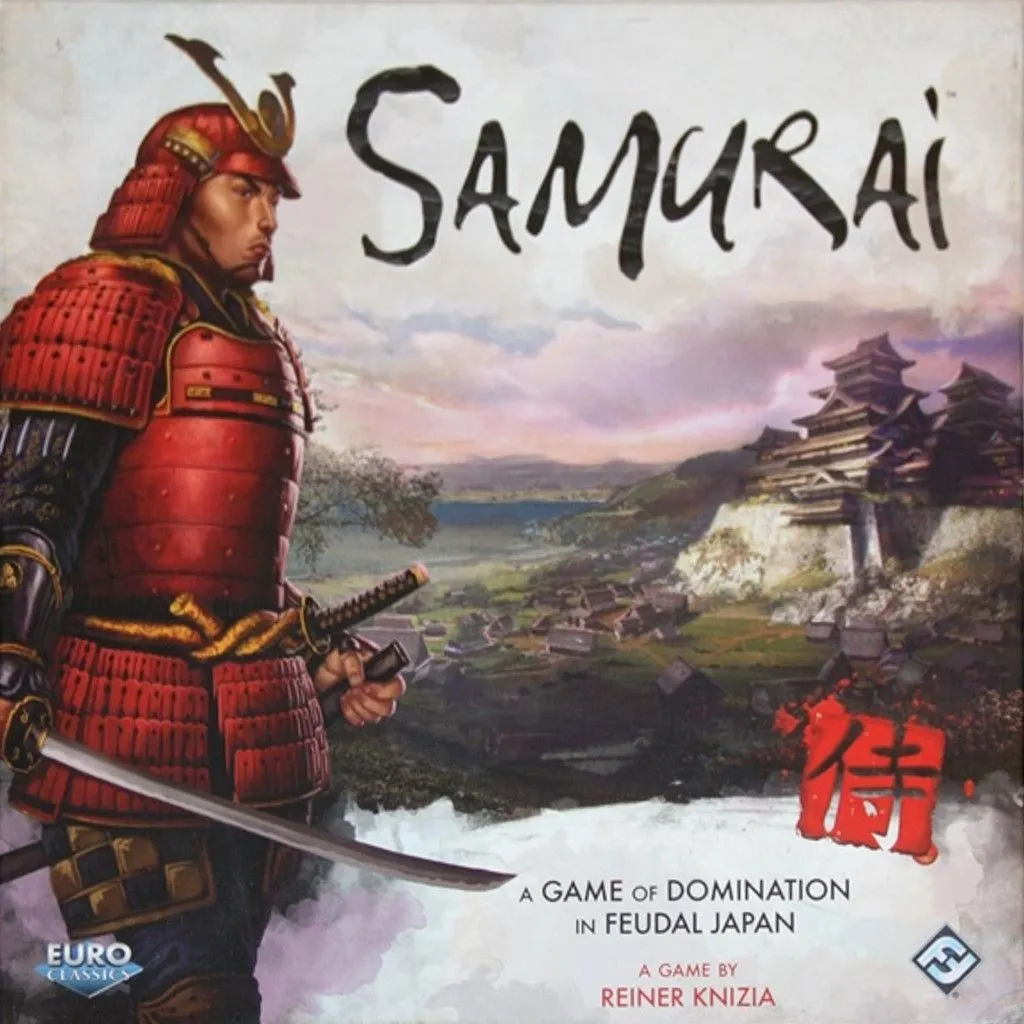
Samurai
- 2–4 giocatori
- 30–60 min
- Complessità 2,4/5
- 1998
2021
Aiuto con le regole di Daimyo Senso
Spiegazioni chiare di turni, effetti delle carte e situazioni dubbie, con riferimenti alle fonti ufficiali e cronologia delle domande salvata.
Per 1 giocatore
Cosa vuoi sapere?
Le risposte vengono dal regolamento ufficiale, con la pagina da verificare.
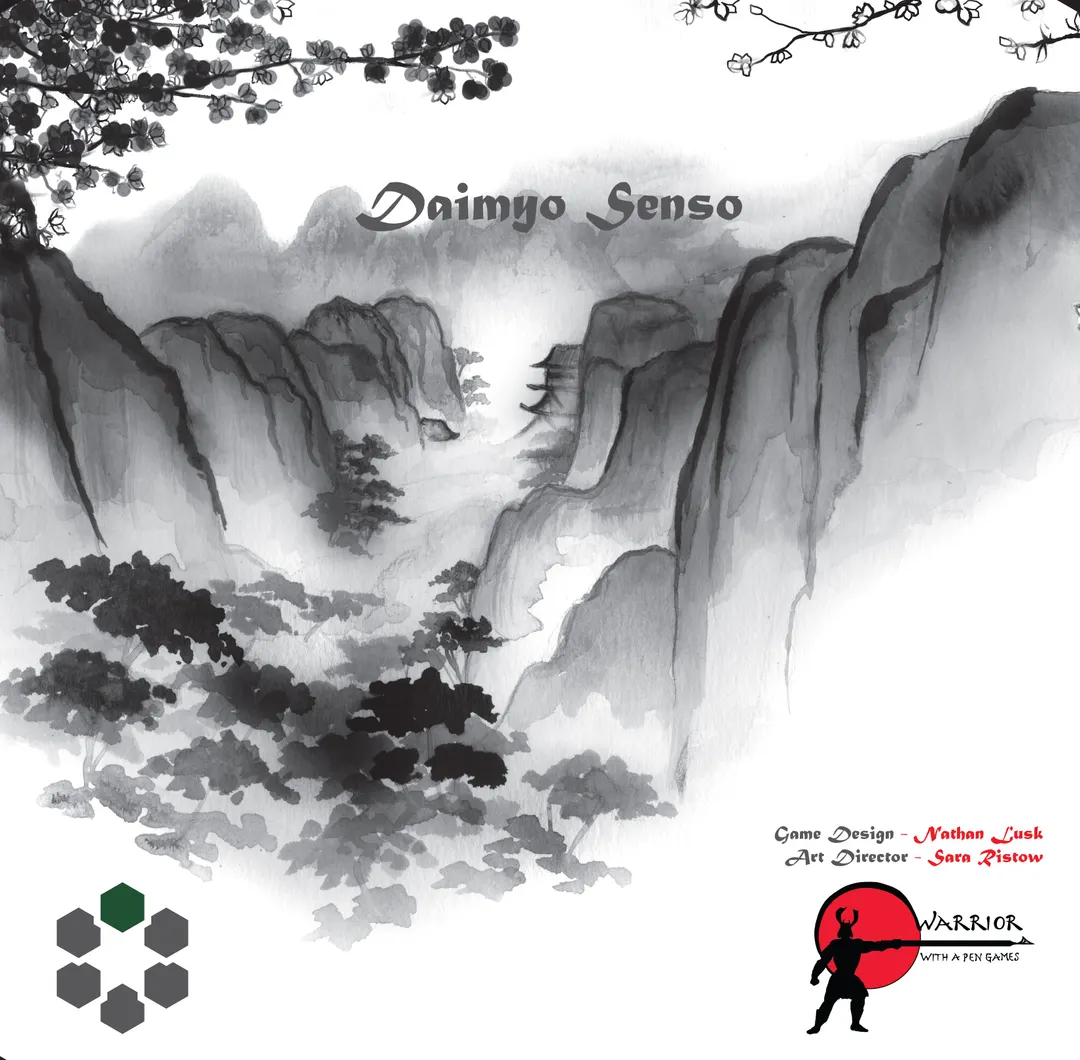
Daimyo Senso è un gioco da tavolo pubblicato nel 2021 per 1–8 giocatori, con partite da 40 a 120 minuti e dai 12 anni in su. È stato ideato da Nathan Lusk e le sue meccaniche principali sono Once-Per-Game Abilities.





In inglese
Manufactured in the USA! Daimyo Senso is a 1-8 player game where each player takes the role of a 16th century Japanese daimyo in conquest to become the next Shogun. Players take turns during 4 seasons per year for 4 years, using predetermined commands during each season. Those commands are Move, Deploy, or Attack. Once per year, each daimyo may use one special skill, which amplifies the power of one of their commands. At the end of each year, players tally up their total Castles, Cities, and Fortresses and are awarded Honor based on that total. The game is over after 4 years, and the player with the most Honor wins. In single player, the board is set up with significantly more troops, and the player must battle through all of them to completely conquer 5 Regions within 4 years. This race against the clock also acts to help players understand the Actions and General Cards. Edit: There are now additional multiplayer rules for playing the game out until only one player is left. This is an optional way to play, and makes the game much longer, but is still as strategic and even more desperately gratifying when a long-term plan comes together through alliance, deceit, and careful planning. Another optional rule sets the board up with all daimyo present even in a less-than-8 player game. Each faction in the game is asymmetrical, and each has its own 4 special skills, called General Cards. The factions include: Oda - Beginning in south central Honshu, the Oda clan has powerful General Cards that allow him to wage war heavily and assign his armies to the most crucial battlefronts. Uesugi - The Uesugi clan's attacks are bolstered by powerful generals, and his tactical movements and deployments insure that his armies are where they need to be. Takeda - While the mighty Takeda war machine has deceptively light attack powers, their troop movements and deployments make them extremely able to defend their hard-won gains. Hojo - The Hojo employ shinobi, which allows them to completely fool their enemies. While an enemy may think the Hojo are weak on one front, their armies can immediately arrive on the opposite end of their kingdom, shocking enemies into submission. Miyoshi - The Miyoshi use deception and surprise tactics to hit their enemies where they're weakest. Their powerful navy insures their ability to suddenly appear on any coast at any time. Mori - The Mori clan uses cunning to thwart their opponents. Their swift advance through unoccupied territories and their ability to fight on multiple fronts at once make them a headache for any enemy to stop. Date - The Date clan can assault enemy castles with heroic actions, and their ferocity makes neighboring armies wither. Beware the city of Sendai, as the Date will fiercely defend it. Shimazu - From the southern tip of Kyushu, the Shimazu wage war with their enemies to the North and East. The Shimazu are supported by the people, who rush to join their cause. -description from designer
Secondo il catalogo, Daimyo Senso supporta da 1 a 8 giocatori. L’intervallo corrisponde al numero di giocatori indicato dall’editore, quindi il gioco si può preparare per qualsiasi gruppo entro quei limiti. Preparazione, alcune regole e punteggio possono comunque variare in base al numero di giocatori: controlla la configurazione esatta nel regolamento della tua edizione.
La durata indicata per Daimyo Senso è di 40–120 minuti, la stima dell’editore per una partita completa. La durata effettiva dipende dal gruppo, dal numero di giocatori e dalla conoscenza delle regole: le prime partite durano di più, i gruppi esperti finiscono prima. Preparazione e spiegazione delle regole non sono comprese nella stima.
Il catalogo indica Daimyo Senso dai 12 anni in su. È la raccomandazione dell’editore e tiene conto della lettura richiesta, della complessità delle regole e dei componenti piccoli, non solo del tema. I più giovani spesso possono giocare con l’aiuto di un adulto: controlla l’età consigliata sulla tua edizione e l’esperienza del tuo gruppo con i giochi da tavolo.
Daimyo Senso ha un punteggio di complessità di 3,0 su 5 secondo i giocatori di BoardGameGeek, il che lo rende un gioco di media complessità. Il punteggio riflette quanta conoscenza delle regole, pianificazione e decisioni richiede una partita tipica. I giochi impegnativi richiedono una prima spiegazione più lunga, quindi conviene usare una guida di preparazione.
Daimyo Senso appartiene a queste categorie: Wargame e Abstract Strategy. Le sue meccaniche principali sono Once-Per-Game Abilities. Le categorie descrivono il tema e l’ambientazione di un gioco, mentre le meccaniche descrivono ciò che i giocatori fanno davvero nel proprio turno. Ogni meccanica porta a una pagina del catalogo con giochi simili.
Gli autori accreditati di Daimyo Senso sono: Nathan Lusk. Questi crediti provengono dai dati pubblicati del gioco e indicano le persone responsabili della sua progettazione, non gli illustratori o gli editori. Le pagine degli autori su MeepleRules raccolgono altri titoli degli stessi autori, utili quando un gioco ti piace e ne cerchi di simili.
Il catalogo classifica Daimyo Senso come gioco base. Si gioca da solo con i componenti presenti nella scatola e non richiede altri titoli. Le espansioni, se esistono, aggiungono nuovo contenuto o nuove regole e sono elencate separatamente nel catalogo con un collegamento a questo gioco base.