
- Posizione BGG
- BGG #25.932
- Valutazione BGG
- 5,5
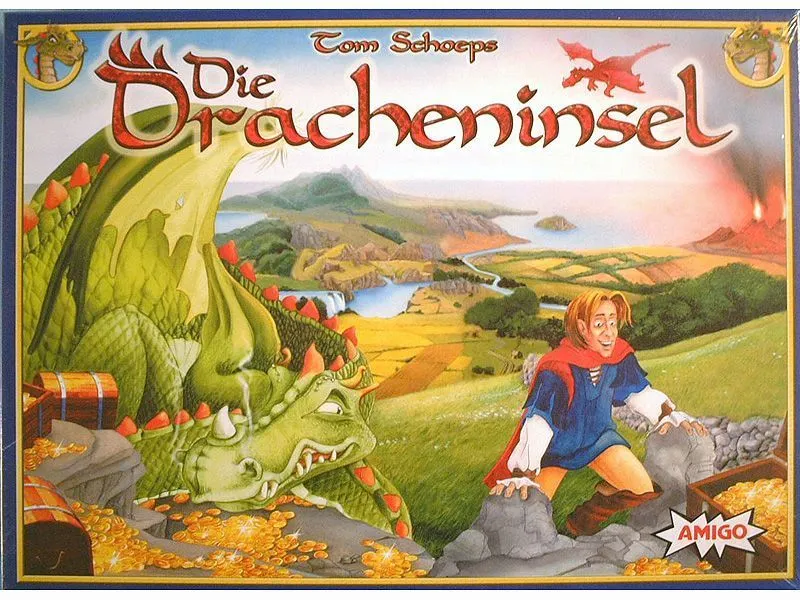
Die Dracheninsel
- 3–6 giocatori
- 60 min
- Complessità 1,3/5
- 2003
1993
Aiuto con le regole di Die Hanse
Spiegazioni chiare di turni, effetti delle carte e situazioni dubbie, con riferimenti alle fonti ufficiali e cronologia delle domande salvata.
Per 3 giocatori
Cosa vuoi sapere?
Le risposte vengono dal regolamento ufficiale, con la pagina da verificare.
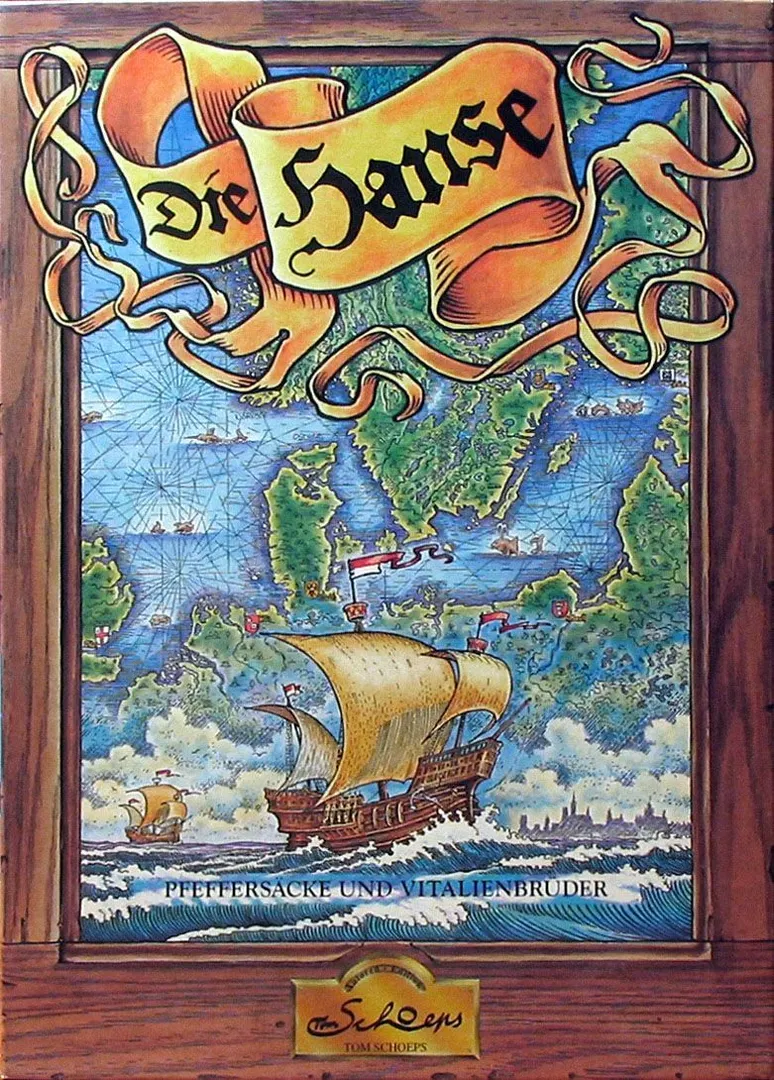
Die Hanse è un gioco da tavolo pubblicato nel 1993 per 3–6 giocatori, con partite da 75 minuti e dai 10 anni in su. È stato ideato da Tom Schoeps e le sue meccaniche principali sono Team-Based Game, Pick-up and Deliver e Neighbor Scope.


In inglese
From the publisher: The players, as merchants in the time of the Hanseatic League try to carry salt from Lübeck to commercial ports and exchange them for needed products. The exchanged goods must either be brought back for domestic storage (on the storage card) or to trade offices in other harbors, in exchange for other needed products. On the storage cards each Hansa merchant finds the products that he must in the course of the game, put in storage. Once a merchant fills his storage card, the game ends and the winner is determined. During this time period, wares were transported in sailing ships, cogs or later holks. To reduce the risk of such a dangerous and uncertain journey, merchants formed so-called companies with one or several partners and thereby distributed valuable loads on several ships. In this game each player shares a Hansa cog with his left and right-hand neighbors. And there are risks to the voyage on all sides. Whether it be the feared pirates, the Vitalian Brotherhood, as they were known, wreaking havoc, whether storms rage over the North and Baltic Seas, or a harbor is blocked, a thousand things can cause difficulties in the life of an honorable merchant...
Secondo il catalogo, Die Hanse supporta da 3 a 6 giocatori. L’intervallo corrisponde al numero di giocatori indicato dall’editore, quindi il gioco si può preparare per qualsiasi gruppo entro quei limiti. Preparazione, alcune regole e punteggio possono comunque variare in base al numero di giocatori: controlla la configurazione esatta nel regolamento della tua edizione.
La durata indicata per Die Hanse è di 75 minuti, la stima dell’editore per una partita completa. La durata effettiva dipende dal gruppo, dal numero di giocatori e dalla conoscenza delle regole: le prime partite durano di più, i gruppi esperti finiscono prima. Preparazione e spiegazione delle regole non sono comprese nella stima.
Il catalogo indica Die Hanse dai 10 anni in su. È la raccomandazione dell’editore e tiene conto della lettura richiesta, della complessità delle regole e dei componenti piccoli, non solo del tema. I più giovani spesso possono giocare con l’aiuto di un adulto: controlla l’età consigliata sulla tua edizione e l’esperienza del tuo gruppo con i giochi da tavolo.
Die Hanse ha un punteggio di complessità di 2,2 su 5 secondo i giocatori di BoardGameGeek, il che lo rende un gioco piuttosto leggero. Il punteggio riflette quanta conoscenza delle regole, pianificazione e decisioni richiede una partita tipica. I giochi impegnativi richiedono una prima spiegazione più lunga, quindi conviene usare una guida di preparazione.
Die Hanse appartiene a queste categorie: Medieval, Nautical e Negotiation. Le sue meccaniche principali sono Team-Based Game, Pick-up and Deliver e Neighbor Scope. Le categorie descrivono il tema e l’ambientazione di un gioco, mentre le meccaniche descrivono ciò che i giocatori fanno davvero nel proprio turno. Ogni meccanica porta a una pagina del catalogo con giochi simili.
Gli autori accreditati di Die Hanse sono: Tom Schoeps. Questi crediti provengono dai dati pubblicati del gioco e indicano le persone responsabili della sua progettazione, non gli illustratori o gli editori. Le pagine degli autori su MeepleRules raccolgono altri titoli degli stessi autori, utili quando un gioco ti piace e ne cerchi di simili.
Il catalogo classifica Die Hanse come gioco base. Si gioca da solo con i componenti presenti nella scatola e non richiede altri titoli. Le espansioni, se esistono, aggiungono nuovo contenuto o nuove regole e sono elencate separatamente nel catalogo con un collegamento a questo gioco base.