
- Posizione BGG
- BGG #7163
- Valutazione BGG
- 6,4
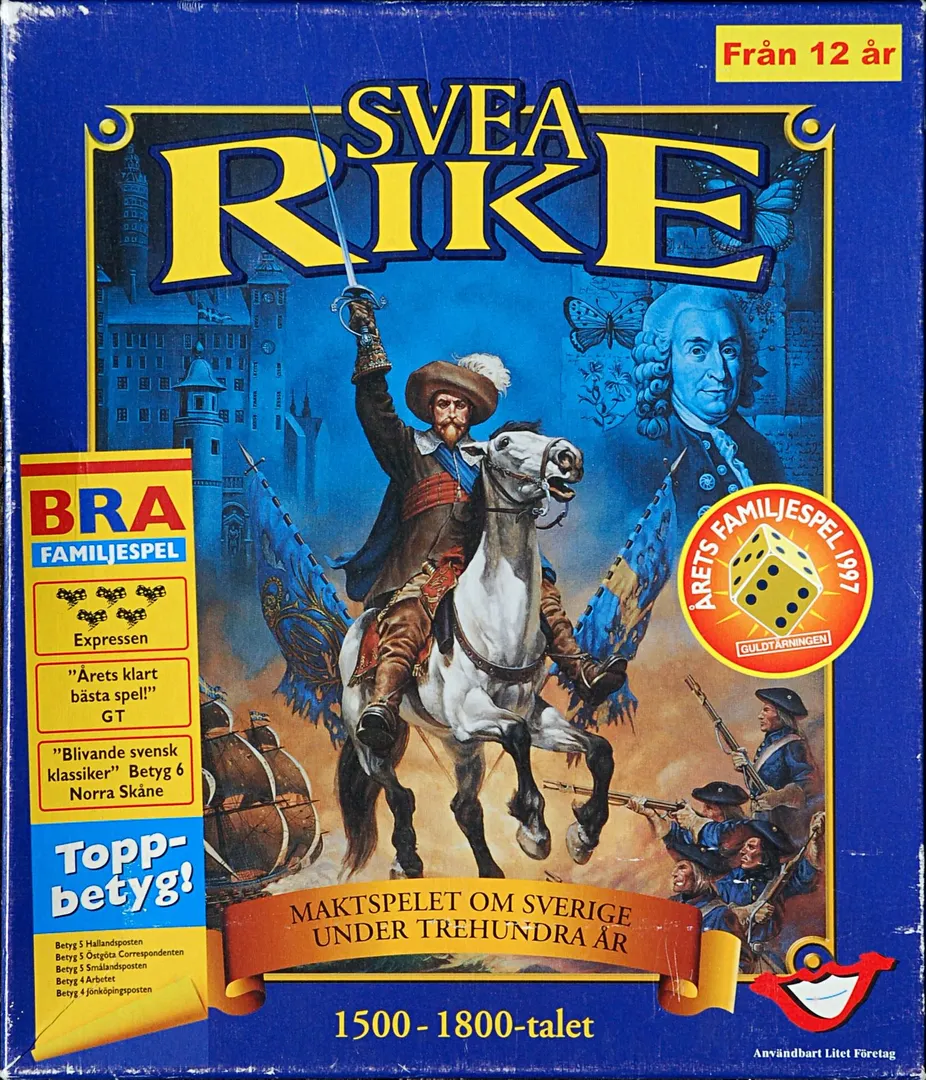
Svea Rike
- 2–5 giocatori
- 90–120 min
- Complessità 2,4/5
- 1996
1992
Aiuto con le regole di Dragonfire
Spiegazioni chiare di turni, effetti delle carte e situazioni dubbie, con riferimenti alle fonti ufficiali e cronologia delle domande salvata.
Per 3 giocatori
Cosa vuoi sapere?
Le risposte vengono dal regolamento ufficiale, con la pagina da verificare.
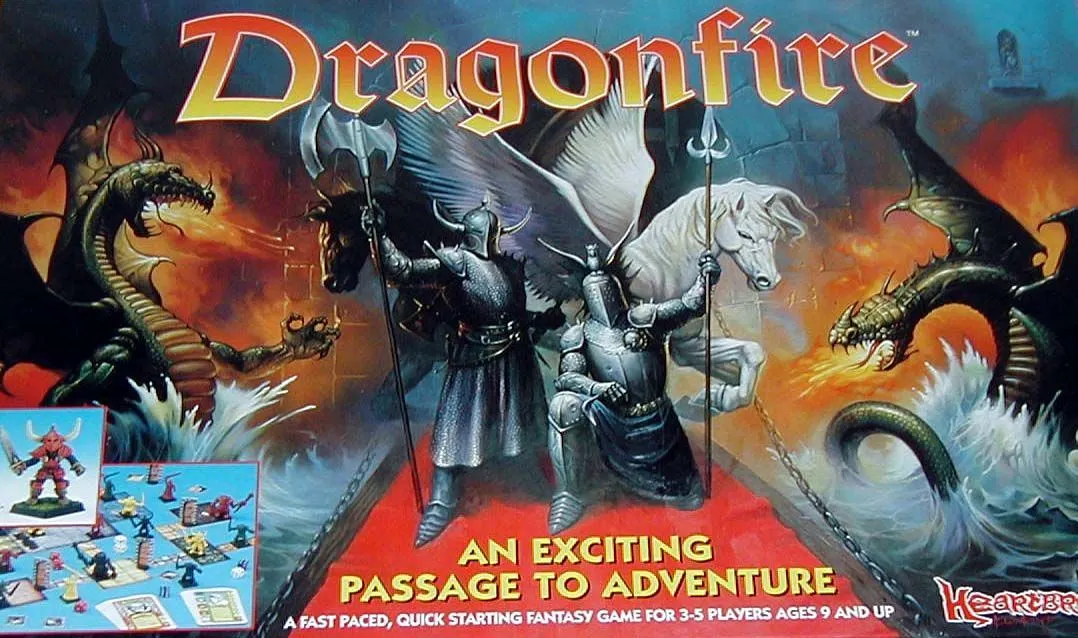
Dragonfire è un gioco da tavolo pubblicato nel 1992 per 3–5 giocatori, con partite da 60 minuti e dai 9 anni in su. È stato ideato da Henrik Strandberg, Nils Gulliksson e Olle Sahlin e le sue meccaniche principali sono Role Playing, Modular Board e Cooperative Game.
In inglese
Dragonfire was an attempt by Target/Heartbreaker to entice young adults into roleplaying, by means of devising a crossover between a roleplaying game and a fantasy miniatures boardgame similar to Milton Bradley and Games Workshop with their Hero Quest game system. This boxed game consists of 16 miniatures, various room and corridor tiles, cardboard doors with stand-ups, and some dungeon dressings represented by die cut cardboard pieces. The aim is to complete the task of each scenario given in the scenario booklet. One player is the Dungeon Master and sets up the rooms and monsters within when the other players reach them; the instructions are very specific about how to place the monsters, traps or items they encounter. Players are cooperative and do not compete against each other. Of course the players won't see the adventure booklet in advance or during the game, only the game master. All the players are knights of different colors (red, blue, green, and yellow). The same four colors are used for the plastic miniatures of: 4 orcs with bows, 4 trolls with clubs, and 4 Dragon Lords with swords. Between each scenario may the players increase their rank, depending on how many points they have collected during the scenario. They get points depending on which monsters they have killed plus one extra for a successfully done scenario. In the Dungeons are there monsters, traps, magic items and other stuff. Overall, the designers do a decent job of making the scenarios entertaining given a limited amount material in the game. Each turn, a new event card is overturned and strange things take place. This is fun at first but becomes predictable in later games. The dicing and combat system uses colored dice with different probabilities of scoring a hit - similar to Heroquest's Skulls and shields except that they are just circles on the dice and represent more of a yes/no answer when rolling. The game is slightly more advanced than Heroquest in that players can advance in levels similar to dungeons and dragons. As you increase in levels, you switch color of dice when attacking and defending, thus increasing your chances to score a "yes" or "hit" result on the dice. Otherwise the game is very similar to HeroQuest in general. Heartbreaker Hobbies produced a couple of lead elf miniatures designed for use with Dragonfire. At the same time, they put out a rare poster/magazine called "Symmetry" #1 that included two new magic items for the game, stats for two elf characters, and a short scenario using all of this with the Dragonfire game. One would assume that consumer response was lacking given that no attention was given to the Dragonfire game in later issues of Symmetry and the game went into obscurity. Still, the game could be used for a couple of night's gaming, especially if introducing children to D&D style gaming or if one wanted to pirate the minis and room pieces to use with other game systems.
Secondo il catalogo, Dragonfire supporta da 3 a 5 giocatori. L’intervallo corrisponde al numero di giocatori indicato dall’editore, quindi il gioco si può preparare per qualsiasi gruppo entro quei limiti. Preparazione, alcune regole e punteggio possono comunque variare in base al numero di giocatori: controlla la configurazione esatta nel regolamento della tua edizione.
La durata indicata per Dragonfire è di 60 minuti, la stima dell’editore per una partita completa. La durata effettiva dipende dal gruppo, dal numero di giocatori e dalla conoscenza delle regole: le prime partite durano di più, i gruppi esperti finiscono prima. Preparazione e spiegazione delle regole non sono comprese nella stima.
Il catalogo indica Dragonfire dai 9 anni in su. È la raccomandazione dell’editore e tiene conto della lettura richiesta, della complessità delle regole e dei componenti piccoli, non solo del tema. I più giovani spesso possono giocare con l’aiuto di un adulto: controlla l’età consigliata sulla tua edizione e l’esperienza del tuo gruppo con i giochi da tavolo.
Dragonfire ha un punteggio di complessità di 1,9 su 5 secondo i giocatori di BoardGameGeek, il che lo rende un gioco leggero. Il punteggio riflette quanta conoscenza delle regole, pianificazione e decisioni richiede una partita tipica. I giochi impegnativi richiedono una prima spiegazione più lunga, quindi conviene usare una guida di preparazione.
Dragonfire appartiene a queste categorie: Fantasy e Adventure. Le sue meccaniche principali sono Role Playing, Modular Board e Cooperative Game. Le categorie descrivono il tema e l’ambientazione di un gioco, mentre le meccaniche descrivono ciò che i giocatori fanno davvero nel proprio turno. Ogni meccanica porta a una pagina del catalogo con giochi simili.
Gli autori accreditati di Dragonfire sono: Henrik Strandberg, Nils Gulliksson e Olle Sahlin. Questi crediti provengono dai dati pubblicati del gioco e indicano le persone responsabili della sua progettazione, non gli illustratori o gli editori. Le pagine degli autori su MeepleRules raccolgono altri titoli degli stessi autori, utili quando un gioco ti piace e ne cerchi di simili.
Il catalogo classifica Dragonfire come gioco base. Si gioca da solo con i componenti presenti nella scatola e non richiede altri titoli. Le espansioni, se esistono, aggiungono nuovo contenuto o nuove regole e sono elencate separatamente nel catalogo con un collegamento a questo gioco base.