
- Posizione BGG
- BGG #4845
- Valutazione BGG
- 6,1
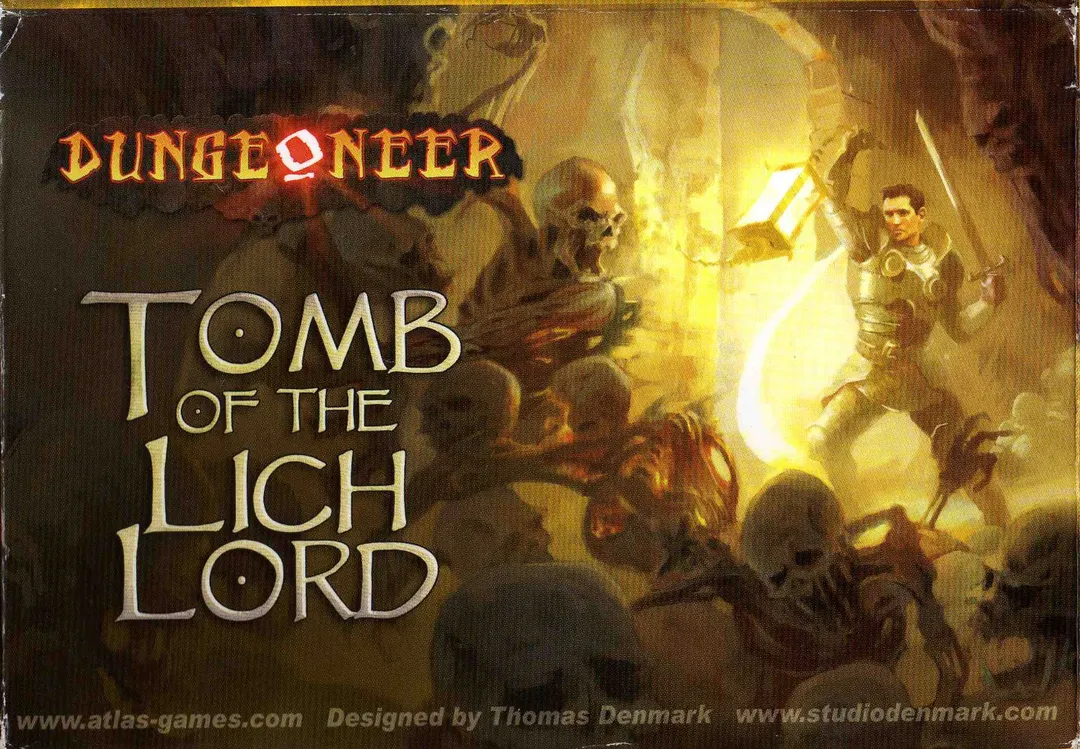
Dungeoneer: Tomb of the Lich Lord
- 2–4 giocatori
- 60 min
- Complessità 2,2/5
- 2003
2003
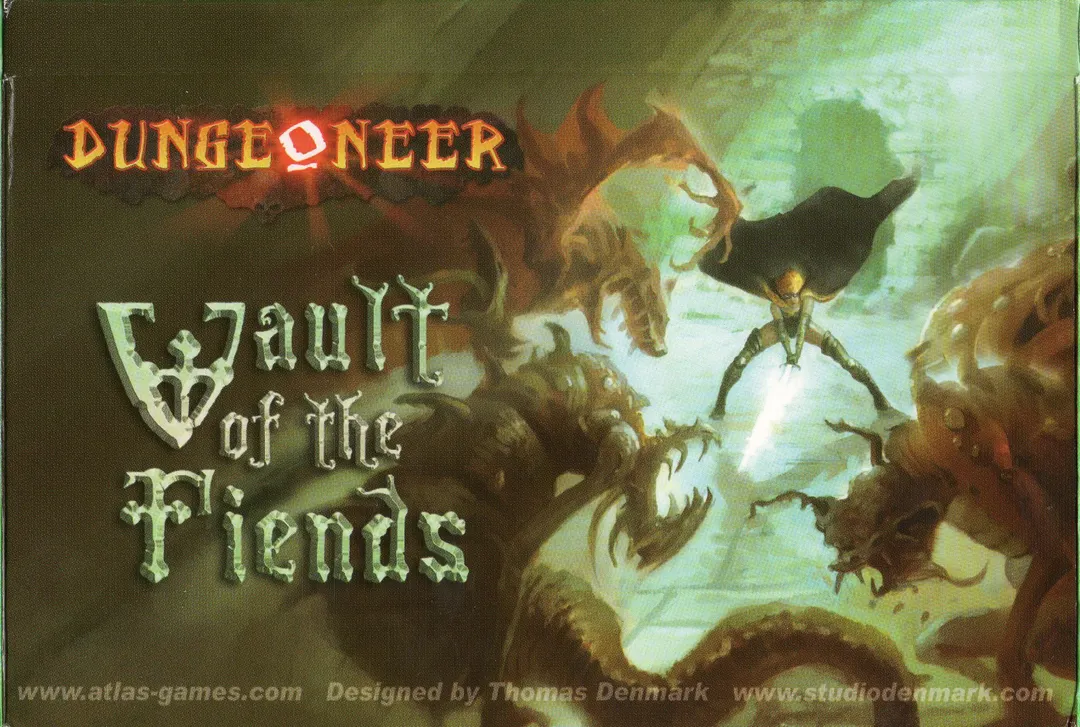
Aiuto con le regole di Dungeoneer: Vault of the Fiends
Spiegazioni chiare di turni, effetti delle carte e situazioni dubbie, con riferimenti alle fonti ufficiali e cronologia delle domande salvata.
Per 2 giocatori
Cosa vuoi sapere?
Le risposte vengono dal regolamento ufficiale, con la pagina da verificare.
Dungeoneer: Vault of the Fiends è un gioco da tavolo pubblicato nel 2003 per 2–4 giocatori, con partite da 30 minuti e dai 12 anni in su. È stato ideato da Thomas Denmark e le sue meccaniche principali sono Variable Player Powers, Hand Management e Dice Rolling.


In inglese
Dungeoneer: Vault of the Fiends is a non-collectable dungeon-crawl card game for 2-4 players. It is meant as an expansion to the Dungeoneer: Tomb of the Lich Lord also published by Atlas Games, but Tomb of the Lich Lord is not necessary to play this set, as Vault of the Fiends is also a stand-alone set. Players play the part of one of six heroes. Each hero has variable melee, magic and speed scores, as well as a unique ability. Your second role in the game is as the malevolent “Dungeonlord”, trying to exterminate the other heroes. You win the game when as a hero you complete 3 Quests such as destroying an evil laboratory or rescuing a princess. An alternate win goal is as the Dungeonlord if all the other heroes are defeated except yours. Vault of the Fiends features a variety of new heroes. Elf Assassin, Human Beastmaster, Drakan Sentinal, Ork Shaman, Dwarf Runecaster, and Gnome Illusionist. Each turn you may: Play monsters, traps and other bad events on opponents Build a dungeon Move around the dungeon with your hero (collect Glory and Peril resources) Play abilities and treasures for yourself Complete a Quest Discard an unwanted card Fill your hand to 5 cards This game is similar to Wiz-War where you race in a dungeon to complete your objectives. This dungeon is created by the laying down of Map cards. You collect Glory and Peril as you move through the dungeon. Glory buys cards that help your hero such as abilities and treasures, but your opponent spends your Peril against you to play monsters, traps and other unpleasant stuff. Combat is similar to Talisman. Roll a six-sided die and add the score you are combating with, either Melee or Magic, to beat your opponent’s roll. The way the cards interact will be familiar to CCG players, in that you have “Permanents” and “Instants” that you can use strategically, or in combinations, but this game is not really a strategy game. Most of the fun comes from the theme, and surprising combination of events that occur. Dungeoneer is likely to appeal to those who enjoy a classic dungeon crawl and RPG like action. Vault of the Fiends features a few new mechanics that should serve to enhance the game play which players of Tomb of the Lich Lord will be familiar with. Some monsters, and attack cards are “pumpable” that means you may spend extra Glory or Peril to boost the effectiveness of the card. Also conditions on the map change such as effects being deactivated when a certain Quest is completed or throwing a switch in a room to extend a bridge across the Fiery Chasm. One of the more unexpected new mechanics are “artifact” Quests, such as the Armor Golem’s Glove which makes your hero more powerful or the Sunken Treasure which makes your hero faster. These do not confer a level, but are rotated 180 degrees so you can read the bonus they provide. Part of the Dungeoneer Series.
Secondo il catalogo, Dungeoneer: Vault of the Fiends supporta da 2 a 4 giocatori. L’intervallo corrisponde al numero di giocatori indicato dall’editore, quindi il gioco si può preparare per qualsiasi gruppo entro quei limiti. Preparazione, alcune regole e punteggio possono comunque variare in base al numero di giocatori: controlla la configurazione esatta nel regolamento della tua edizione.
La durata indicata per Dungeoneer: Vault of the Fiends è di 30 minuti, la stima dell’editore per una partita completa. La durata effettiva dipende dal gruppo, dal numero di giocatori e dalla conoscenza delle regole: le prime partite durano di più, i gruppi esperti finiscono prima. Preparazione e spiegazione delle regole non sono comprese nella stima.
Il catalogo indica Dungeoneer: Vault of the Fiends dai 12 anni in su. È la raccomandazione dell’editore e tiene conto della lettura richiesta, della complessità delle regole e dei componenti piccoli, non solo del tema. I più giovani spesso possono giocare con l’aiuto di un adulto: controlla l’età consigliata sulla tua edizione e l’esperienza del tuo gruppo con i giochi da tavolo.
Dungeoneer: Vault of the Fiends ha un punteggio di complessità di 2,2 su 5 secondo i giocatori di BoardGameGeek, il che lo rende un gioco piuttosto leggero. Il punteggio riflette quanta conoscenza delle regole, pianificazione e decisioni richiede una partita tipica. I giochi impegnativi richiedono una prima spiegazione più lunga, quindi conviene usare una guida di preparazione.
Dungeoneer: Vault of the Fiends appartiene a queste categorie: Card Game, Fantasy e Dice. Le sue meccaniche principali sono Variable Player Powers, Hand Management e Dice Rolling. Le categorie descrivono il tema e l’ambientazione di un gioco, mentre le meccaniche descrivono ciò che i giocatori fanno davvero nel proprio turno. Ogni meccanica porta a una pagina del catalogo con giochi simili.
Gli autori accreditati di Dungeoneer: Vault of the Fiends sono: Thomas Denmark. Questi crediti provengono dai dati pubblicati del gioco e indicano le persone responsabili della sua progettazione, non gli illustratori o gli editori. Le pagine degli autori su MeepleRules raccolgono altri titoli degli stessi autori, utili quando un gioco ti piace e ne cerchi di simili.
Il catalogo classifica Dungeoneer: Vault of the Fiends come gioco base. Si gioca da solo con i componenti presenti nella scatola e non richiede altri titoli. Le espansioni, se esistono, aggiungono nuovo contenuto o nuove regole e sono elencate separatamente nel catalogo con un collegamento a questo gioco base.