

- Posizione BGG
- BGG #134
- Valutazione BGG
- 8,0
Wonderland's War
- 2–5 giocatori
- 45–125 min
- Complessità 3,1/5
- 2022
2025
Aiuto con le regole di Everbloom
Spiegazioni chiare di turni, effetti delle carte e situazioni dubbie, con riferimenti alle fonti ufficiali e cronologia delle domande salvata.
Cosa vuoi sapere?
Le risposte vengono dal regolamento ufficiale, con la pagina da verificare.
Everbloom è un gioco da tavolo pubblicato nel 2025 per 1–4 giocatori, con partite da 60 a 90 minuti e dai 13 anni in su. È stato ideato da Ian Moss e Nolan Lee e le sue meccaniche principali sono Variable Player Powers, Set Collection e Auction / Bidding.



In inglese
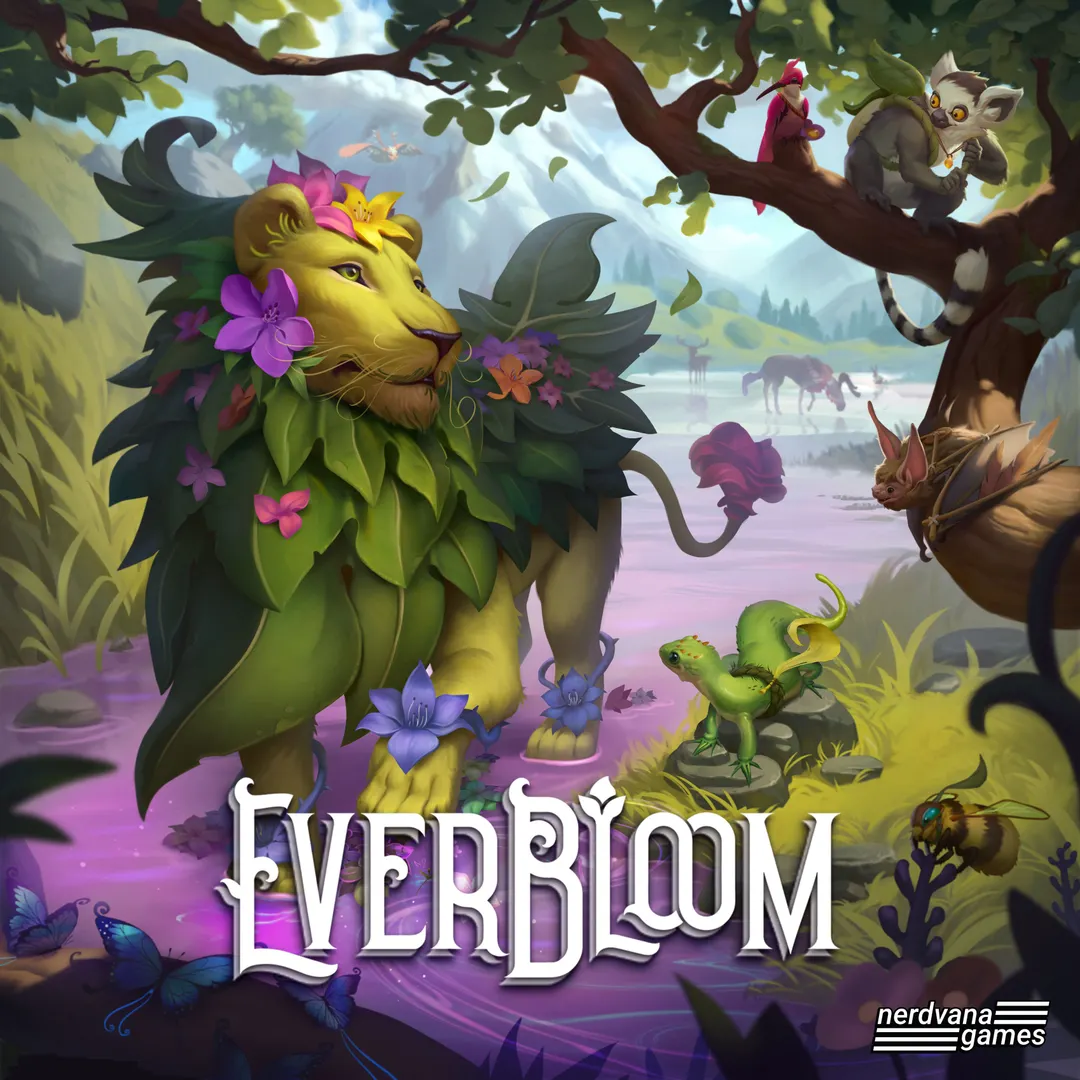
As the final flower unfurled its petal and the pollinating factions surged forth into every biome, the plight awakened Anteri, the legendary dragon of abundance. She begins her journey across the lands, bestowing her petals upon chosen creatures in every biome, transforming them into wondrous hybrids of flora and fauna. Recognizing the potential for rejuvenation, pollinators from every corner of the world converge on these hybrid beings to attract them to their respective habitats. The Everbloom has begun again. In Everbloom, lead one of six pollinating factions: Bats, Bees, Butterflies, Hummingbirds, Lemurs, and Lizards to create an abundant habitat full of hybrid beings. Each round you'll send pollinators from your faction into the wilderness to landmarks in the hopes of attracting hybrid beings to your habitat, eventually pollinating their flora in exchange for nectar and points. Along the way, you’ll complete blooms and gather nectar cards to make sure your habitat flourishes. After the final round, you will gain points for the nectar you've collected in each biome as well as your progress on the bloom track, the faction with the most points wins! –description from the designer
Secondo il catalogo, Everbloom supporta da 1 a 4 giocatori. L’intervallo corrisponde al numero di giocatori indicato dall’editore, quindi il gioco si può preparare per qualsiasi gruppo entro quei limiti. Preparazione, alcune regole e punteggio possono comunque variare in base al numero di giocatori: controlla la configurazione esatta nel regolamento della tua edizione.
La durata indicata per Everbloom è di 60–90 minuti, la stima dell’editore per una partita completa. La durata effettiva dipende dal gruppo, dal numero di giocatori e dalla conoscenza delle regole: le prime partite durano di più, i gruppi esperti finiscono prima. Preparazione e spiegazione delle regole non sono comprese nella stima.
Il catalogo indica Everbloom dai 13 anni in su. È la raccomandazione dell’editore e tiene conto della lettura richiesta, della complessità delle regole e dei componenti piccoli, non solo del tema. I più giovani spesso possono giocare con l’aiuto di un adulto: controlla l’età consigliata sulla tua edizione e l’esperienza del tuo gruppo con i giochi da tavolo.
Everbloom ha un punteggio di complessità di 2,9 su 5 secondo i giocatori di BoardGameGeek, il che lo rende un gioco piuttosto leggero. Il punteggio riflette quanta conoscenza delle regole, pianificazione e decisioni richiede una partita tipica. I giochi impegnativi richiedono una prima spiegazione più lunga, quindi conviene usare una guida di preparazione.
Everbloom appartiene a queste categorie: Fantasy, Animals e Environmental. Le sue meccaniche principali sono Variable Player Powers, Set Collection e Auction / Bidding. Le categorie descrivono il tema e l’ambientazione di un gioco, mentre le meccaniche descrivono ciò che i giocatori fanno davvero nel proprio turno. Ogni meccanica porta a una pagina del catalogo con giochi simili.
Gli autori accreditati di Everbloom sono: Ian Moss e Nolan Lee. Questi crediti provengono dai dati pubblicati del gioco e indicano le persone responsabili della sua progettazione, non gli illustratori o gli editori. Le pagine degli autori su MeepleRules raccolgono altri titoli degli stessi autori, utili quando un gioco ti piace e ne cerchi di simili.
Il catalogo classifica Everbloom come gioco base. Si gioca da solo con i componenti presenti nella scatola e non richiede altri titoli. Le espansioni, se esistono, aggiungono nuovo contenuto o nuove regole e sono elencate separatamente nel catalogo con un collegamento a questo gioco base.