- Valutazione BGG
- 8,6
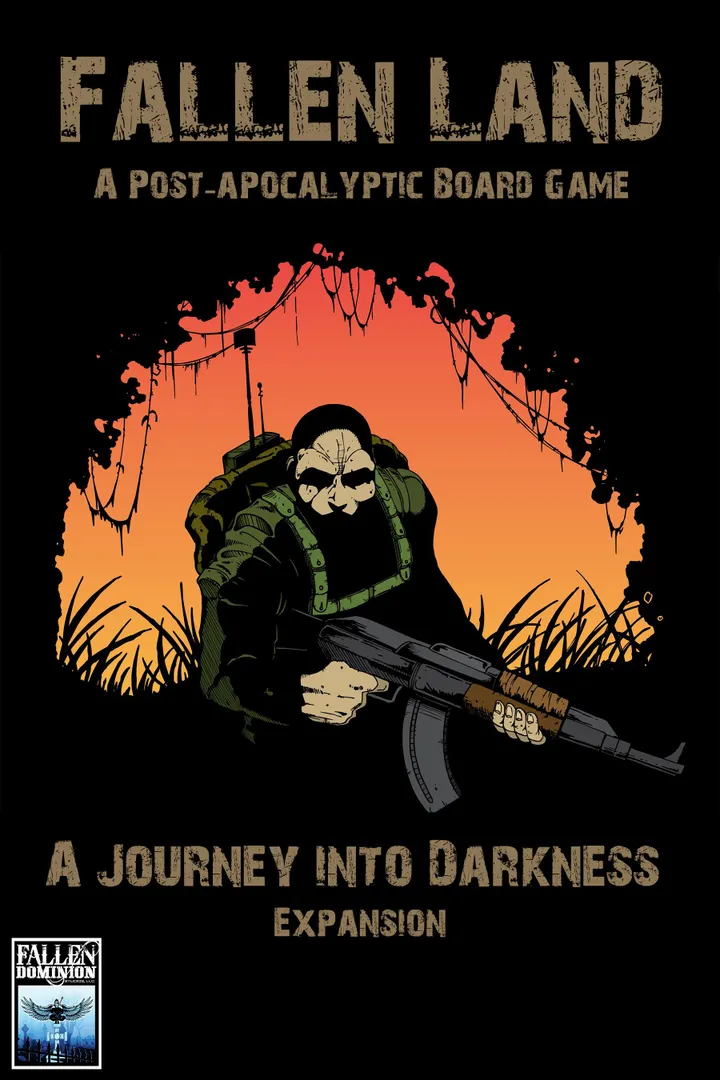
Fallen Land: A Journey into Darkness
- 1–6 giocatori
- 60–360 min
- 2017
2017
Aiuto con le regole di Fallen Land: A Post Apocalyptic Board Game
Spiegazioni chiare di turni, effetti delle carte e situazioni dubbie, con riferimenti alle fonti ufficiali e cronologia delle domande salvata.
Cosa vuoi sapere?
Le risposte vengono dal regolamento ufficiale, con la pagina da verificare.
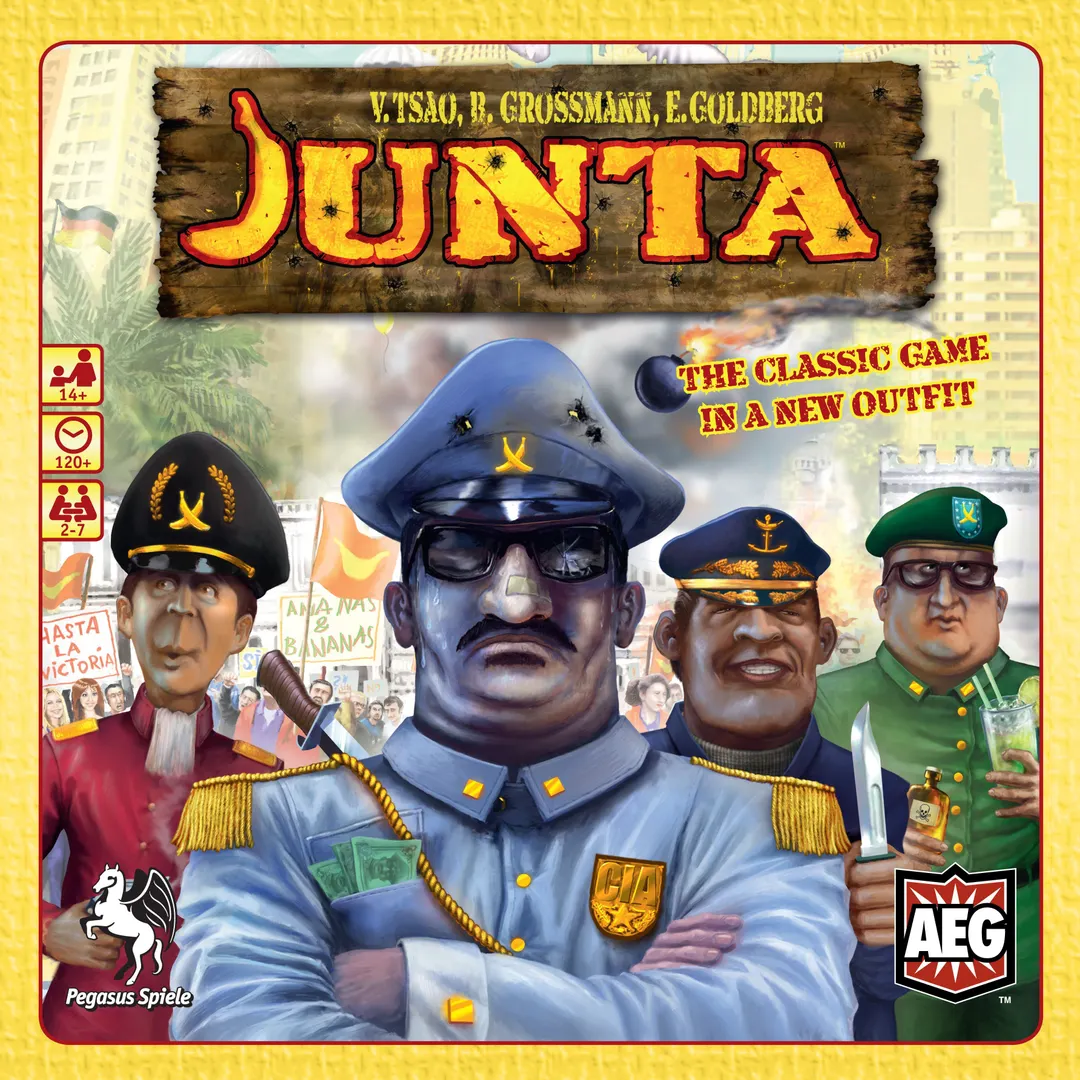
Fallen Land: A Post Apocalyptic Board Game è un gioco da tavolo pubblicato nel 2017 per 2–5 giocatori, con partite da 120 a 300 minuti e dai 14 anni in su. È stato ideato da Sean Cahill e Jon Lonngren e le sue meccaniche principali sono Variable Player Powers, Trading e Area Movement.





In inglese
Set in a post-apocalyptic sci-fi setting, Fallen Land: A Post Apocalyptic Board Game is a hybrid game that combines the elements of a strategy board game, with card building and role-playing. It is driven by macabre stories of a world gone mad and features adventure, politics and economics to deliver an unlimited sandbox experience. Each game the variables change: cards, player interactions, stories, strategies and threats. While the game has a strong pulp influence, its roots stem from Cold War studies. We have expanded upon this research to arrive at our game’s premise: What would happen after a nuclear and biological apocalypse? Our answer is Fallen Land. As a player, you are the leader of a unique faction of survivors competing for primacy in the ruinous aftermath of post-apocalyptic America. You must manage and enhance your town, protect your citizens and secure resources. You will also have to make and break treaties to endure, amidst a myriad of bribery and betrayal by the other players. But that is just where the adventure begins! You must also direct your agents (a party of characters), to explore the rugged landscape, establish your territory and solidify your agenda. Game play is comprised of Turns. Each represents one month and is divided into Phases and Sub-Phases. The First Player resolves each Phase and Sub-Phase followed clockwise by the other players, before proceeding to the next Phase or Sub-Phase. A Turn is over when all players have had the opportunity to act or pass on each Phase. I. Effects Phase * 1.) Resolve. II. Town Business Phase * 1.) Deal. 2.) Resource Production. 3.) Auction House. 4.) Roll 1d10 on Town Events Chart. 5.) Financial period. ~Sell. ~Purchase. ~Hire (NPCMs). III. Party Exploits Phase * 1.) NPCMs move. 2.) Choose Party Exploits (4 weeks to spend). ~Movement, spend 1 week. ~Encounter, spend 1 week. ~PVP, spend 1 week. ~Resource, spend 2 weeks. ~Healing, spend 2 weeks. ~Mission, spend 3 weeks. IV. End Turn Phase * 1.) Adjust Turn Marker. 2.) Pass the First Player Sheet. Resolve an Action Card in each Phase or Sub-Phase as directed by the card. A player's town is simulated by a Town Play Mat. Players organize their owned Resources, inventory, Party Characters, excess Characters and movement bonuses here. In addition, Town Play Mats can be upgraded three different ways: Town Defense Chips, Town Technologies and Action Cards. The first two upgrades are available for purchase during the Town Business Phase. However, Action Cards are dealt at the beginning of each Turn and are also drawn as a reward. Players also manage their Party consisting of five Character Cards. Characters may be equipped with gear (Spoils Cards), to increase their Base Skills. A party can move around the map, draw Encounter and Mission cards (stories) which contain Skill Checks (challenges) and even attack another player's Party in PVP. Dice are rolled for these many "deeds" to determine the outcome. There are seven decks of cards. These are drawn and played throughout the game. Some are stories, such as Encounter and Mission Cards, Characters are a Faction's agents, and Spoils are equipment/vehicle/gear. Lastly, Action Cards modify the story and/or game play. To win, one of two Victory Conditions is necessary, either 20 Prestige or 80 Town Health. Prestige represents your reputation as a leader, while Town Health represents your town’s prosperity and number of its citizens. Both conditions are marked on their respective Victory Tracks bordering the map. Adventure and intrigue await! We hope you have the opportunity to play Fallen Land and that you enjoy playing it as much as we have enjoyed creating it for you.
Secondo il catalogo, Fallen Land: A Post Apocalyptic Board Game supporta da 2 a 5 giocatori. L’intervallo corrisponde al numero di giocatori indicato dall’editore, quindi il gioco si può preparare per qualsiasi gruppo entro quei limiti. Preparazione, alcune regole e punteggio possono comunque variare in base al numero di giocatori: controlla la configurazione esatta nel regolamento della tua edizione.
La durata indicata per Fallen Land: A Post Apocalyptic Board Game è di 120–300 minuti, la stima dell’editore per una partita completa. La durata effettiva dipende dal gruppo, dal numero di giocatori e dalla conoscenza delle regole: le prime partite durano di più, i gruppi esperti finiscono prima. Preparazione e spiegazione delle regole non sono comprese nella stima.
Il catalogo indica Fallen Land: A Post Apocalyptic Board Game dai 14 anni in su. È la raccomandazione dell’editore e tiene conto della lettura richiesta, della complessità delle regole e dei componenti piccoli, non solo del tema. I più giovani spesso possono giocare con l’aiuto di un adulto: controlla l’età consigliata sulla tua edizione e l’esperienza del tuo gruppo con i giochi da tavolo.
Fallen Land: A Post Apocalyptic Board Game ha un punteggio di complessità di 3,7 su 5 secondo i giocatori di BoardGameGeek, il che lo rende un gioco di media complessità. Il punteggio riflette quanta conoscenza delle regole, pianificazione e decisioni richiede una partita tipica. I giochi impegnativi richiedono una prima spiegazione più lunga, quindi conviene usare una guida di preparazione.
Fallen Land: A Post Apocalyptic Board Game appartiene a queste categorie: Card Game, Economic e Adventure. Le sue meccaniche principali sono Variable Player Powers, Trading e Area Movement. Le categorie descrivono il tema e l’ambientazione di un gioco, mentre le meccaniche descrivono ciò che i giocatori fanno davvero nel proprio turno. Ogni meccanica porta a una pagina del catalogo con giochi simili.
Gli autori accreditati di Fallen Land: A Post Apocalyptic Board Game sono: Sean Cahill e Jon Lonngren. Questi crediti provengono dai dati pubblicati del gioco e indicano le persone responsabili della sua progettazione, non gli illustratori o gli editori. Le pagine degli autori su MeepleRules raccolgono altri titoli degli stessi autori, utili quando un gioco ti piace e ne cerchi di simili.
Il catalogo classifica Fallen Land: A Post Apocalyptic Board Game come gioco base. Si gioca da solo con i componenti presenti nella scatola e non richiede altri titoli. Le espansioni, se esistono, aggiungono nuovo contenuto o nuove regole e sono elencate separatamente nel catalogo con un collegamento a questo gioco base.