
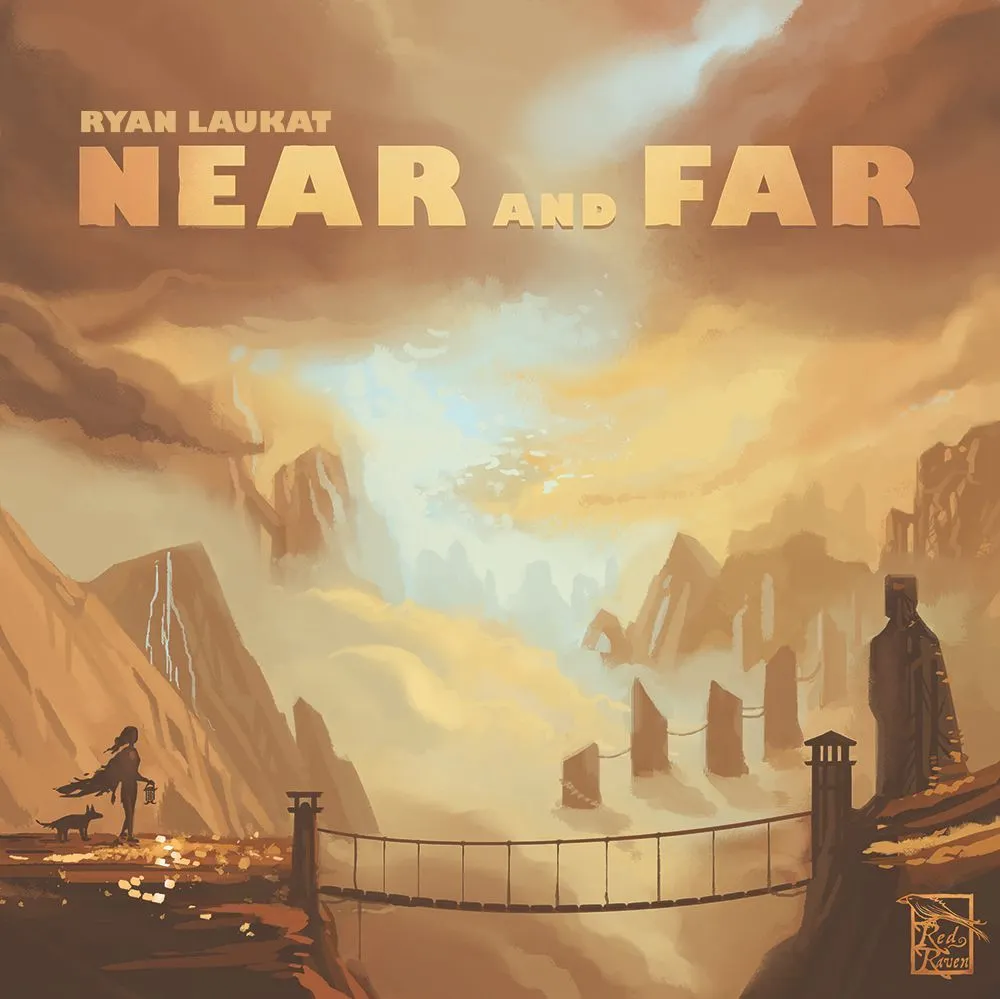
- Posizione BGG
- BGG #285
- Valutazione BGG
- 7,6
Near and Far
- 2–4 giocatori
- 90–120 min
- Complessità 2,9/5
- 2017
2022
Aiuto con le regole di First Ascent
Spiegazioni chiare di turni, effetti delle carte e situazioni dubbie, con riferimenti alle fonti ufficiali e cronologia delle domande salvata.
Per 2 giocatori
Cosa vuoi sapere?
Le risposte vengono dal regolamento ufficiale, con la pagina da verificare.
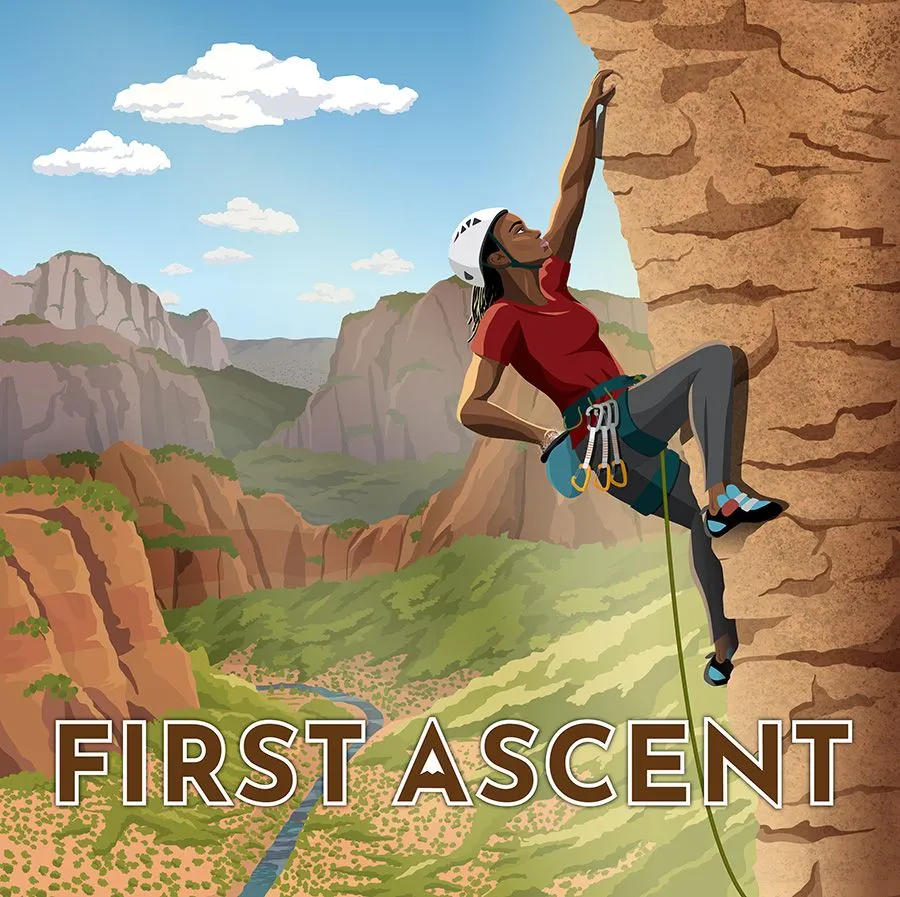
First Ascent è un gioco da tavolo pubblicato nel 2022 per 2–5 giocatori, con partite da 45 a 90 minuti e dai 14 anni in su. È stato ideato da Kate Otte e le sue meccaniche principali sono Variable Player Powers, Hand Management e Set Collection.






In inglese
First Ascent is a rock climbing-themed strategic board game. The goal in this medium weight, competitive game is to gain the most points by climbing the best route up the mountain and becoming the most skilled climber! Each player assumes the role of a unique asymmetric character, and throughout the game they will be building their route up the mountain, managing resources, achieving objectives, and increasing their efficiency by accumulating skills and gear! This game is for 2-5 players and takes 45-90 minutes to play. Gameplay overview: In First Ascent, the goal is to gain the most points by creating the best route! Points are gained in four ways: 1) Climbing pitches — use your climbing skills, gear, water, and psych to pay the requirements to move on to a tile "climb the pitch". Draw a climbing card and resolve the events that may involve resource management, board manipulation, or selfish vs altruistic decisions. Each tile is worth 1-5 points with higher point value tiles requiring more resources. 2) Objectives — achieve shared and personal objectives that relate to the path of your route. Plan carefully and manage resources to execute the path that will contribute towards achieving your objectives. 3) Technique bonuses — the climbing skills and gear cards contain symbols representing climbing techniques of precision, power, balance, and pain tolerance. Match three technique symbols on the cards you play to climb a tile and earn +2 bonus points. These can add up significantly, so choose your resources wisely. 4) Summit — reaching the top of the mountain is great, but climbing is about the journey. Gain +1 summit bonus point for reaching a peak. If you don't have the required resources to climb, you can "risk it" by rolling the risk dice to climb a tile for one less resource. You may get away with a check mark and succeed without consequence, roll minus two cards and give them to another player, or roll minus one card and one psych which you give to another player. As long as you have the assets to lose, you will climb the tile, but at a price. When you begin to ascend the mountain start in any tile on the first row. Next climb to any adjacent tile and leave your rope behind to mark the route you've climbed. Two climbers can not occupy the same tile, except for a summit, so you may compete with other climbers on the mountain for the prime locations. As you climb the mountain you will practice your skills and become a more efficient climber. The engine building component of this game grants you an "earned asset" after you play four cards of a specific skill type or gear. These tokens stay on your climber asset board and count towards fulfilling the required assets of future tiles. This isn't a race to the top, its about creating a strategic route that will reward your cunning and planning. The game ends when a player has used all seven rope lengths and climbed their eighth tile. Do you have what it takes to create the greatest First Ascent?
Secondo il catalogo, First Ascent supporta da 2 a 5 giocatori. L’intervallo corrisponde al numero di giocatori indicato dall’editore, quindi il gioco si può preparare per qualsiasi gruppo entro quei limiti. Preparazione, alcune regole e punteggio possono comunque variare in base al numero di giocatori: controlla la configurazione esatta nel regolamento della tua edizione.
La durata indicata per First Ascent è di 45–90 minuti, la stima dell’editore per una partita completa. La durata effettiva dipende dal gruppo, dal numero di giocatori e dalla conoscenza delle regole: le prime partite durano di più, i gruppi esperti finiscono prima. Preparazione e spiegazione delle regole non sono comprese nella stima.
Il catalogo indica First Ascent dai 14 anni in su. È la raccomandazione dell’editore e tiene conto della lettura richiesta, della complessità delle regole e dei componenti piccoli, non solo del tema. I più giovani spesso possono giocare con l’aiuto di un adulto: controlla l’età consigliata sulla tua edizione e l’esperienza del tuo gruppo con i giochi da tavolo.
First Ascent ha un punteggio di complessità di 2,9 su 5 secondo i giocatori di BoardGameGeek, il che lo rende un gioco piuttosto leggero. Il punteggio riflette quanta conoscenza delle regole, pianificazione e decisioni richiede una partita tipica. I giochi impegnativi richiedono una prima spiegazione più lunga, quindi conviene usare una guida di preparazione.
First Ascent appartiene a queste categorie: Humor, Adventure e Environmental. Le sue meccaniche principali sono Variable Player Powers, Hand Management e Set Collection. Le categorie descrivono il tema e l’ambientazione di un gioco, mentre le meccaniche descrivono ciò che i giocatori fanno davvero nel proprio turno. Ogni meccanica porta a una pagina del catalogo con giochi simili.
Gli autori accreditati di First Ascent sono: Kate Otte. Questi crediti provengono dai dati pubblicati del gioco e indicano le persone responsabili della sua progettazione, non gli illustratori o gli editori. Le pagine degli autori su MeepleRules raccolgono altri titoli degli stessi autori, utili quando un gioco ti piace e ne cerchi di simili.
Il catalogo classifica First Ascent come gioco base. Si gioca da solo con i componenti presenti nella scatola e non richiede altri titoli. Le espansioni, se esistono, aggiungono nuovo contenuto o nuove regole e sono elencate separatamente nel catalogo con un collegamento a questo gioco base.