

- Posizione BGG
- BGG #8795
- Valutazione BGG
- 5,9
Spank the Monkey
- 2–6 giocatori
- 30 min
- Complessità 1,4/5
- 2003
2010
Aiuto con le regole di Genesis
Spiegazioni chiare di turni, effetti delle carte e situazioni dubbie, con riferimenti alle fonti ufficiali e cronologia delle domande salvata.
Per 2 giocatori
Cosa vuoi sapere?
Le risposte vengono dal regolamento ufficiale, con la pagina da verificare.
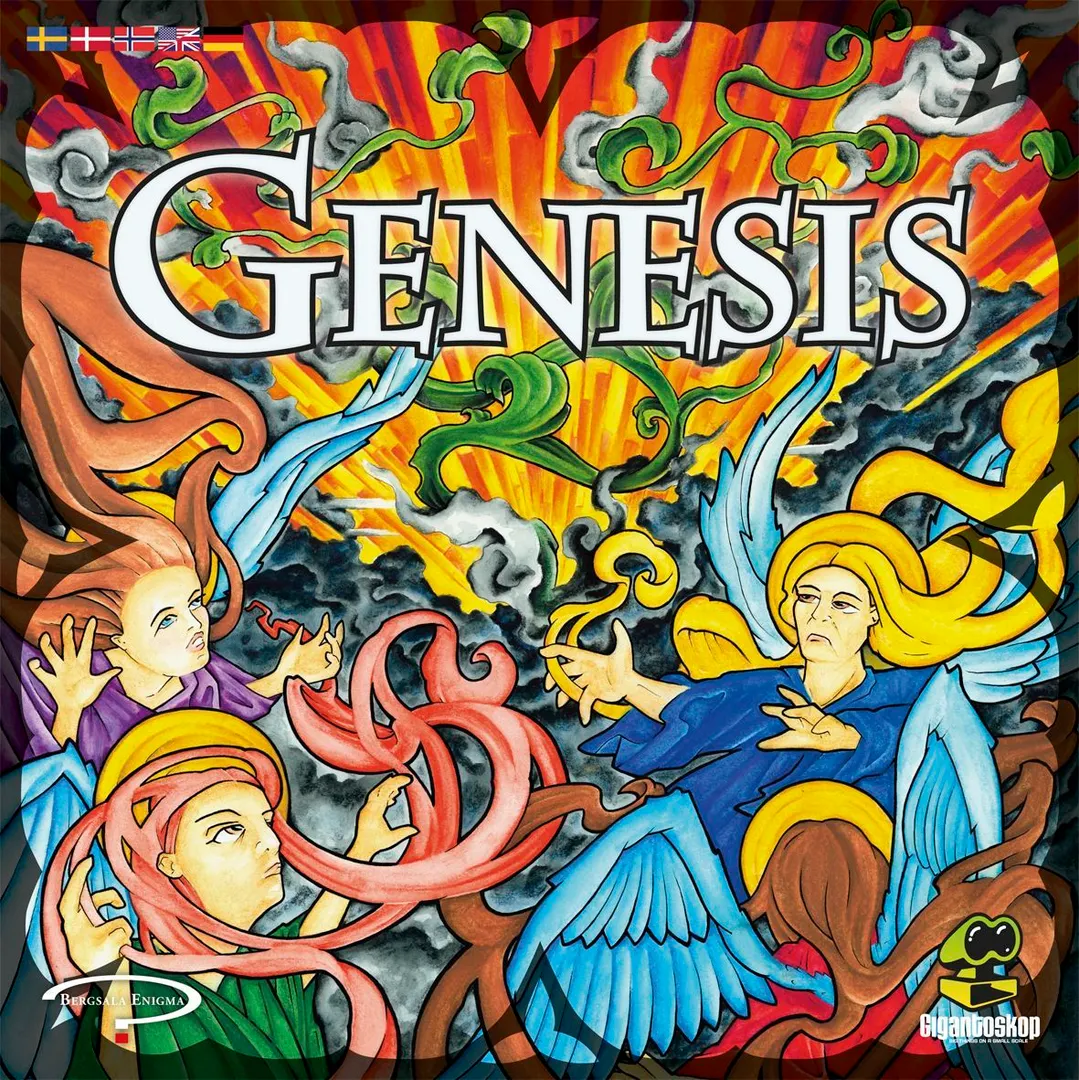
Genesis è un gioco da tavolo pubblicato nel 2010 per 2–6 giocatori, con partite da 60 minuti e dai 10 anni in su. È stato ideato da Peter Hansson e le sue meccaniche principali sono Set Collection.




In inglese
In the Beginning In the beginning God created the heaven and the earth. It took him six days to complete his work, assisted by a host of heavenly angels doing his divine bidding. On the seventh day God rested and examined the result. Seeing that it was good, he praised the angel who had contributed the most. Genesis - In the Beginning gives you the chance to become that angel. By gathering the essence of creation - chaos, matter and life - and turning it into seas and mountains, birds and beasts, you hope to win Gods approval - and the game! But the way to victory is wrought with hard decisions. You must gather essence when it's most advantageous, move at the right time and do your days’ work where they count the most. And beware of the dark angel who's trying to outshine you all. Now - let there be light! Contents 1 game board 1 God 1 dark angel 6 player angels 42 day work markers 1 starting player marker 72 essence cubes 1 rules booklet Gameplay Before the creation, the players’ angels are gathered in the void with God. When God starts the creation with the words "let there be light", the angels start their monumental task. There’s a lot do to and only seven days to get it done in, so every action counts. Throughout the game, God moves over each of the seven days on the game board, stopping morning, midday and evening, allowing the players 21 rounds to act. During their turn, players can choose to collect the essence of creation (chaos, matter and life), to do a day work on the current day using the different kinds of essence they have collected, or to follow in God’s path to another day. When players move from day to day, they’re positioned along the essence track. The essence track determines both the order of play and the type of essence a player can gather. The first player to move to a certain day gets the first position, the second player the second position, and so on. As different positions yield different kinds of essence, the players must plan their movement to get the right kind and the right amount of essence. If they’re not happy with their position, they can spend essence to swap positions with a neighboring angel, thereby also thwarting other players’ plans. When God creates a new day with new tasks for the angels, players can move to that day. The first player to do a day work on a certain day is awarded the highest points, the second player the second highest, and so on. As the week progresses, the points earned for doing a day work increase, which affects players’ long-term strategy. As the seventh day is a day of rest, God looks favorably on angels that retire from their hard work. The first player to retire their angel on the seventh day earns the highest points, the second player the second highest, and so on. When God reaches the evening of the seventh day, the game is over. All points will be tallied and the player with the highest score is declared the winner. To make things even more challenging, a dark angel is mixed in with the players’ angels, doing his best to snatch as many points as possible. The dark angel follows a pre-determined pattern of actions that the players can predict and delay but never stop. If the players aren’t careful, or if they’re too caught up in their own plans, the dark angel will surely outshine them, making all of them lose the game. The mechanics of the game are quite simple: the sooner you do a day work on a day, the higher the points you score, making it a good idea to keep close in God’s wake. Unfortunately, simply following God throughout the creation might not give you the exact essence you need to do your day work. Eventually you must stop to collect essence, preferably in the right position, making you lose momentum. In the end it’s always about choices: when and what to collect, when to move and when to do a day work. The winner, God willing, is the player who makes the right choices at the right time, a task easier said than done.
Secondo il catalogo, Genesis supporta da 2 a 6 giocatori. L’intervallo corrisponde al numero di giocatori indicato dall’editore, quindi il gioco si può preparare per qualsiasi gruppo entro quei limiti. Preparazione, alcune regole e punteggio possono comunque variare in base al numero di giocatori: controlla la configurazione esatta nel regolamento della tua edizione.
La durata indicata per Genesis è di 60 minuti, la stima dell’editore per una partita completa. La durata effettiva dipende dal gruppo, dal numero di giocatori e dalla conoscenza delle regole: le prime partite durano di più, i gruppi esperti finiscono prima. Preparazione e spiegazione delle regole non sono comprese nella stima.
Il catalogo indica Genesis dai 10 anni in su. È la raccomandazione dell’editore e tiene conto della lettura richiesta, della complessità delle regole e dei componenti piccoli, non solo del tema. I più giovani spesso possono giocare con l’aiuto di un adulto: controlla l’età consigliata sulla tua edizione e l’esperienza del tuo gruppo con i giochi da tavolo.
Genesis ha un punteggio di complessità di 2,4 su 5 secondo i giocatori di BoardGameGeek, il che lo rende un gioco piuttosto leggero. Il punteggio riflette quanta conoscenza delle regole, pianificazione e decisioni richiede una partita tipica. I giochi impegnativi richiedono una prima spiegazione più lunga, quindi conviene usare una guida di preparazione.
Genesis appartiene a queste categorie: Abstract Strategy, Religious e Mythology. Le sue meccaniche principali sono Set Collection. Le categorie descrivono il tema e l’ambientazione di un gioco, mentre le meccaniche descrivono ciò che i giocatori fanno davvero nel proprio turno. Ogni meccanica porta a una pagina del catalogo con giochi simili.
Gli autori accreditati di Genesis sono: Peter Hansson. Questi crediti provengono dai dati pubblicati del gioco e indicano le persone responsabili della sua progettazione, non gli illustratori o gli editori. Le pagine degli autori su MeepleRules raccolgono altri titoli degli stessi autori, utili quando un gioco ti piace e ne cerchi di simili.
Il catalogo classifica Genesis come gioco base. Si gioca da solo con i componenti presenti nella scatola e non richiede altri titoli. Le espansioni, se esistono, aggiungono nuovo contenuto o nuove regole e sono elencate separatamente nel catalogo con un collegamento a questo gioco base.