
- Posizione BGG
- BGG #4697
- Valutazione BGG
- 6,7
Periodic: A Game of The Elements
- 2–5 giocatori
- 40 min
- Complessità 1,9/5
- 2019
2021
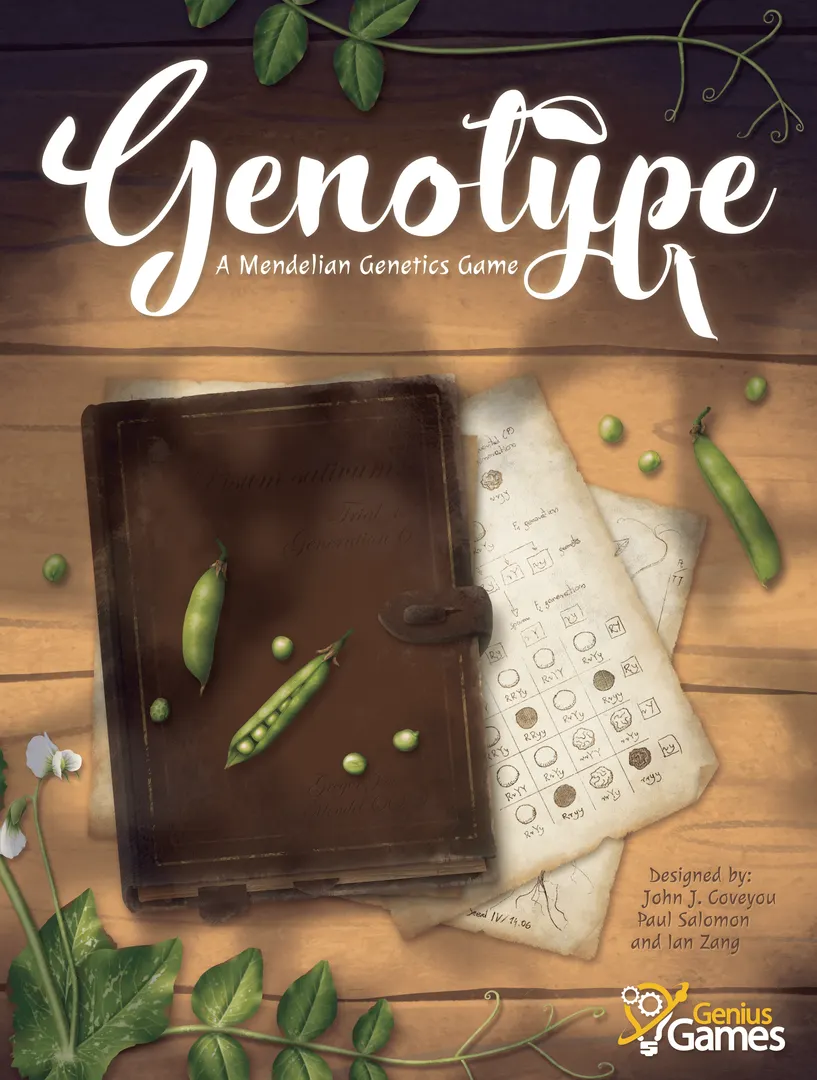
Aiuto con le regole di Genotype: A Mendelian Genetics Game
Spiegazioni chiare di turni, effetti delle carte e situazioni dubbie, con riferimenti alle fonti ufficiali e cronologia delle domande salvata.
Per 1 giocatore
Cosa vuoi sapere?
Le risposte vengono dal regolamento ufficiale, con la pagina da verificare.
Genotype: A Mendelian Genetics Game è un gioco da tavolo pubblicato nel 2021 per 1–5 giocatori, con partite da 45 a 90 minuti e dai 14 anni in su. È stato ideato da John Coveyou, Paul Salomon e Ian Zang e le sue meccaniche principali sono Set Collection, Dice Rolling e Simulation.








In inglese
Gregor Mendel is the 19th Century Augustinian Friar credited with the discovery of modern genetics. In Genotype, you play as his assistants, competing to collect experimental data on pea plants by trying to control how the plants inherit key Traits from their parents: seed shape, flower color, stem color, and plant height. The observable Traits of a Pea Plant (its Phenotype) are determined by its genetic makeup (its Genotype). The relationship between Genotype and Phenotype and the nature of genetic inheritance are at the heart of Genotype: A Mendelian Genetics Game. During the game, players get Pea Plant Cards which show a set of Phenotype Traits they hope to produce and collect (such as pink flowers and tall height) in order to score points. Each round, Dice are rolled to represent Plant breeding, which may result in the Traits players are looking for. After the Dice Roll, players take turns drafting Dice towards completing their Pea Plant Cards or advancing their Research. The Traits produced during the Dice Roll come through the science of Punnett Squares, which show how the parent genes combine, one from each parent plant. By changing the genes of these parent plants, players can influence the likelihood of rolling the Traits they need. The completion of Pea Plant Cards via the Dice Draft is the main way players score points. Each round consists of 3 phases: Worker Placement, Dice Drafting, and Upgrades. 1) During Worker Placement, players take actions to get more Plant Cards, change the genes of a parent plant, Garden, Research, stake Phenotype claims, gather new Tools, or even position themselves ahead of other players for the Dice Drafting Phase in a couple of ways. 2) Dice Drafting features a couple of interest steps, including the possibility to get first pick of dice, but only for one type of Trait (like plant height), or the possibility to get a pick of any dice, but only after those first picks have happened. De Novo Mutation Dice allow players to change the Trait of other Dice or gain additional Research. 3) The Upgrades phase lets players spend their Research to gain upgrades that let them work on more Plant Cards, draft more Dice each round, or gain additional Workers to be used during the Worker Placement Phase of each round. Players work to match their Pea Plant Cards to the outcome of the Dice Draft and complete the cards for points. If they've placed a Phenotype marker, they will earn bonus points for every completed card that matches their claim. At the end of 5 rounds, the player with the most points wins. -description from designer
Secondo il catalogo, Genotype: A Mendelian Genetics Game supporta da 1 a 5 giocatori. L’intervallo corrisponde al numero di giocatori indicato dall’editore, quindi il gioco si può preparare per qualsiasi gruppo entro quei limiti. Preparazione, alcune regole e punteggio possono comunque variare in base al numero di giocatori: controlla la configurazione esatta nel regolamento della tua edizione.
La durata indicata per Genotype: A Mendelian Genetics Game è di 45–90 minuti, la stima dell’editore per una partita completa. La durata effettiva dipende dal gruppo, dal numero di giocatori e dalla conoscenza delle regole: le prime partite durano di più, i gruppi esperti finiscono prima. Preparazione e spiegazione delle regole non sono comprese nella stima.
Il catalogo indica Genotype: A Mendelian Genetics Game dai 14 anni in su. È la raccomandazione dell’editore e tiene conto della lettura richiesta, della complessità delle regole e dei componenti piccoli, non solo del tema. I più giovani spesso possono giocare con l’aiuto di un adulto: controlla l’età consigliata sulla tua edizione e l’esperienza del tuo gruppo con i giochi da tavolo.
Genotype: A Mendelian Genetics Game ha un punteggio di complessità di 2,8 su 5 secondo i giocatori di BoardGameGeek, il che lo rende un gioco piuttosto leggero. Il punteggio riflette quanta conoscenza delle regole, pianificazione e decisioni richiede una partita tipica. I giochi impegnativi richiedono una prima spiegazione più lunga, quindi conviene usare una guida di preparazione.
Genotype: A Mendelian Genetics Game appartiene a queste categorie: Dice e Educational. Le sue meccaniche principali sono Set Collection, Dice Rolling e Simulation. Le categorie descrivono il tema e l’ambientazione di un gioco, mentre le meccaniche descrivono ciò che i giocatori fanno davvero nel proprio turno. Ogni meccanica porta a una pagina del catalogo con giochi simili.
Gli autori accreditati di Genotype: A Mendelian Genetics Game sono: John Coveyou, Paul Salomon e Ian Zang. Questi crediti provengono dai dati pubblicati del gioco e indicano le persone responsabili della sua progettazione, non gli illustratori o gli editori. Le pagine degli autori su MeepleRules raccolgono altri titoli degli stessi autori, utili quando un gioco ti piace e ne cerchi di simili.
Il catalogo classifica Genotype: A Mendelian Genetics Game come gioco base. Si gioca da solo con i componenti presenti nella scatola e non richiede altri titoli. Le espansioni, se esistono, aggiungono nuovo contenuto o nuove regole e sono elencate separatamente nel catalogo con un collegamento a questo gioco base.