
- Posizione BGG
- BGG #2715
- Valutazione BGG
- 7,8
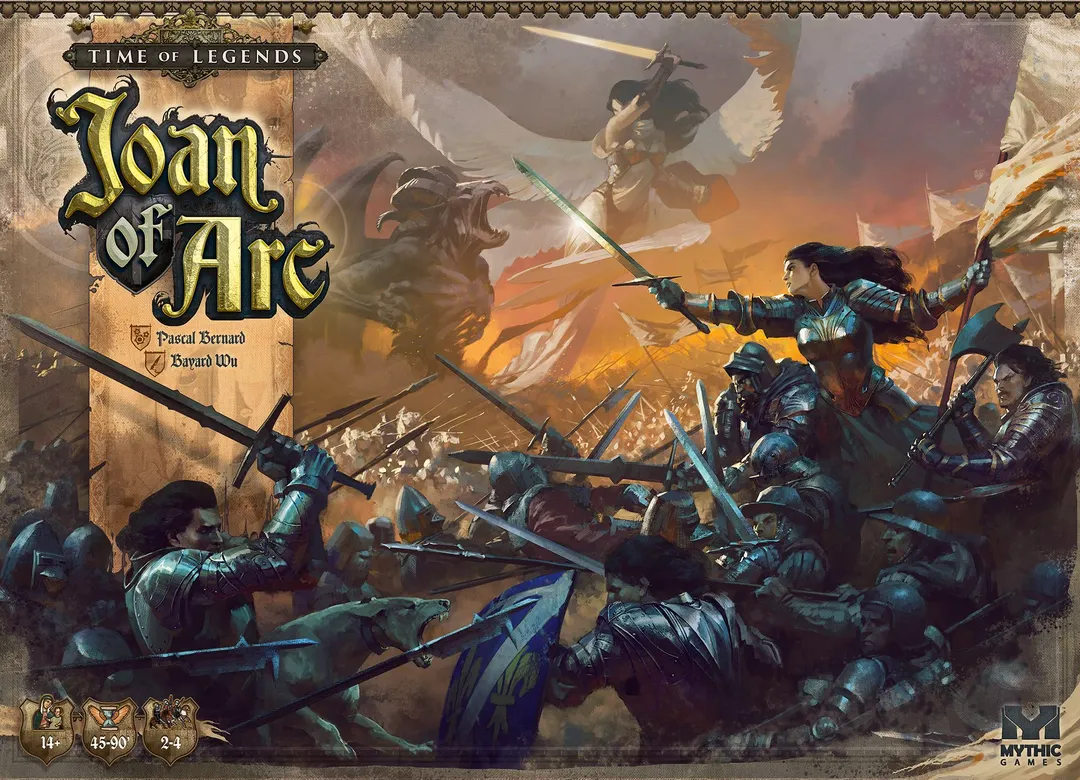
Time of Legends: Joan of Arc
- 2–4 giocatori
- 45–90 min
- Complessità 3,5/5
- 2019
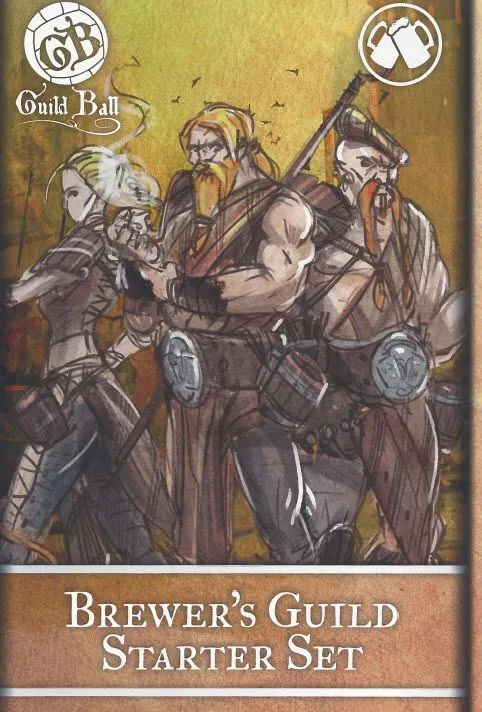
Aiuto con le regole di Guild Ball: Brewer Starter Set
Spiegazioni chiare di turni, effetti delle carte e situazioni dubbie, con riferimenti alle fonti ufficiali e cronologia delle domande salvata.
Cosa vuoi sapere?
Le risposte vengono dal regolamento ufficiale, con la pagina da verificare.
Guild Ball: Brewer Starter Set è un’espansione di Guild Ball pubblicata nel 2015 per 2 giocatori, con partite da 60 a 120 minuti e dai 12 anni in su. Le sue meccaniche principali sono Variable Player Powers, Dice Rolling e Action Points.




In inglese
Description from the publisher: Brewers are tanky. Plain and simple, they are incredible at soaking damage up. But their play style is more than just being hit. They excel in late game as they generally have superior numbers left at this point, but their mid-game is also strong due to their knockdowns and board control. Not the most synergistic in terms of combo play, they do enjoy some degree of team buffing. Brewers generate the most momentum when pushing opponents in to and out of position with buffeting blows and plays. Relatively slow up and down the field, the Brewers rely on long reach weapons and easy access to pushes and knockdowns, thereby giving them huge board presence and control. Drinking and Guild Ball have always gone hand-in-hand. Most of the big championship matches will have street vendors selling a range of home brewed poisons to the gullible and the desperate. The Brewer's Guild has elevated the twin arts of drinking and playing far beyond the familiqar stumbling of the Sunday league drunks. Fueled by the pure amber nectar produced and aged within their secret distilleries, a Brewer's team is a maelstrom of physicality, a drunken wrecking ball staggering its way across the pitch. Using the Brewer's Guild is a lesson in violence and survivability. They can both absorb and deal out a tremendous amount of damage, whilst all the time knocking their opponents to the floor and sticking a tactical boot in. Tapper, Hopper, and Friday are an alcoholic powerhouse that are at their happiest in the center of a brawl. This set provides you with all you need to start playing the Brewer's Guild.
Secondo il catalogo, Guild Ball: Brewer Starter Set supporta 2 giocatori. È il numero di giocatori indicato dall’editore, quindi il gioco è pensato esattamente per quel numero di partecipanti. Le varianti per gruppi di altre dimensioni, se esistono, sono descritte nel regolamento della tua edizione: consultalo prima di preparare una configurazione diversa.
La durata indicata per Guild Ball: Brewer Starter Set è di 60–120 minuti, la stima dell’editore per una partita completa. La durata effettiva dipende dal gruppo, dal numero di giocatori e dalla conoscenza delle regole: le prime partite durano di più, i gruppi esperti finiscono prima. Preparazione e spiegazione delle regole non sono comprese nella stima.
Il catalogo indica Guild Ball: Brewer Starter Set dai 12 anni in su. È la raccomandazione dell’editore e tiene conto della lettura richiesta, della complessità delle regole e dei componenti piccoli, non solo del tema. I più giovani spesso possono giocare con l’aiuto di un adulto: controlla l’età consigliata sulla tua edizione e l’esperienza del tuo gruppo con i giochi da tavolo.
Guild Ball: Brewer Starter Set appartiene a queste categorie: Wargame, Miniatures e Medieval. Le sue meccaniche principali sono Variable Player Powers, Dice Rolling e Action Points. Le categorie descrivono il tema e l’ambientazione di un gioco, mentre le meccaniche descrivono ciò che i giocatori fanno davvero nel proprio turno. Ogni meccanica porta a una pagina del catalogo con giochi simili.
Il catalogo classifica Guild Ball: Brewer Starter Set come espansione di Guild Ball. Le espansioni aggiungono contenuti, regole o scenari al gioco base e di solito non si possono giocare da sole, quindi per usarla ti serve Guild Ball. Controlla che la tua edizione di Guild Ball sia compatibile, perché alcune espansioni sono state riviste tra un’edizione e l’altra.