
- Posizione BGG
- BGG #29
- Valutazione BGG
- 8,1
Concordia
- 2–5 giocatori
- 100 min
- Complessità 3,0/5
- 2013
Aiuto con le regole di Hamburgum: Antverpia
Spiegazioni chiare di turni, effetti delle carte e situazioni dubbie, con riferimenti alle fonti ufficiali e cronologia delle domande salvata.
Cosa vuoi sapere?
Le risposte vengono dal regolamento ufficiale, con la pagina da verificare.
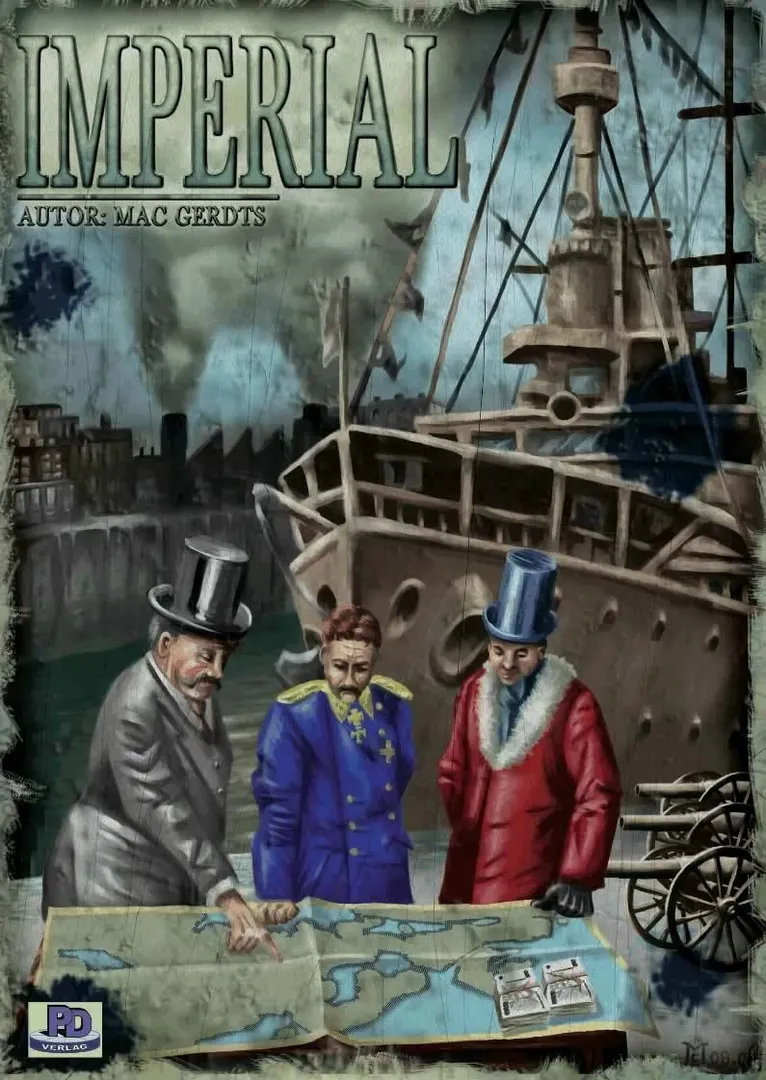
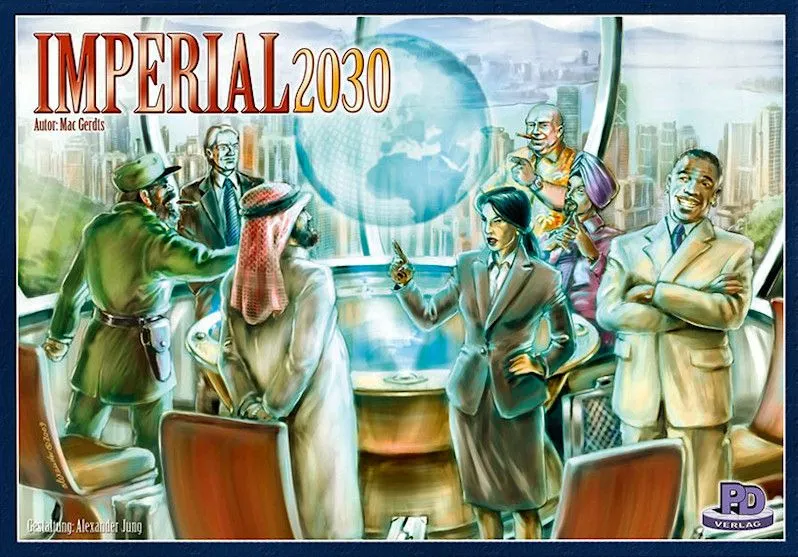
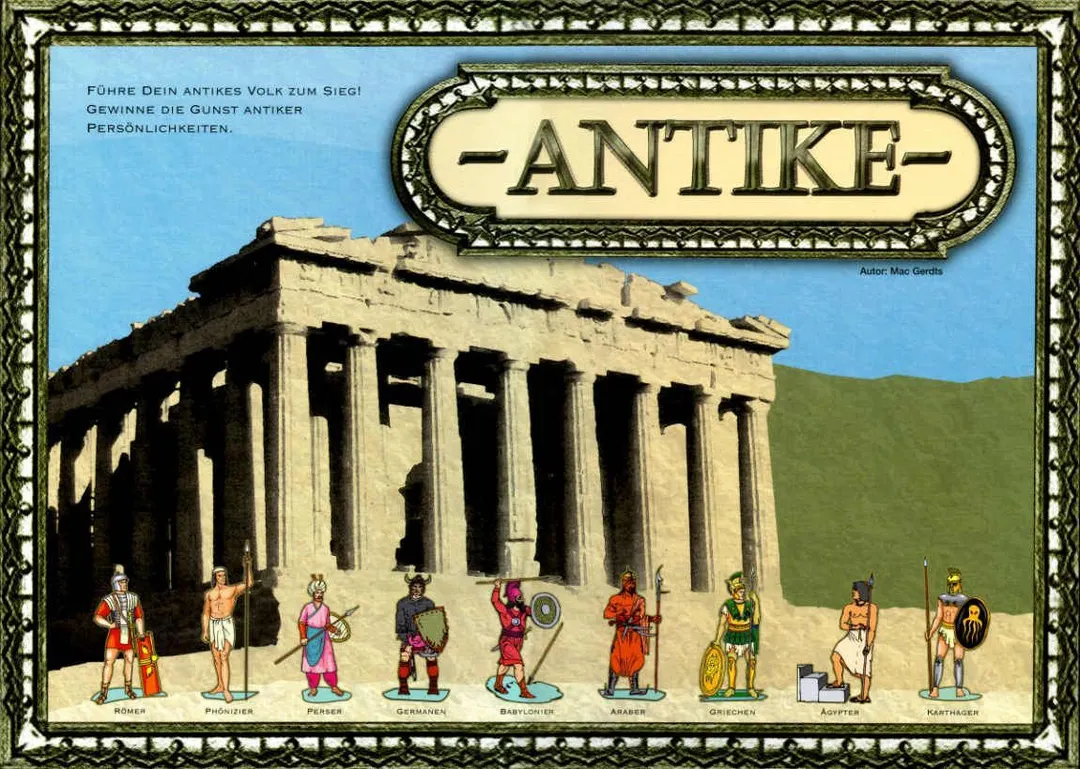
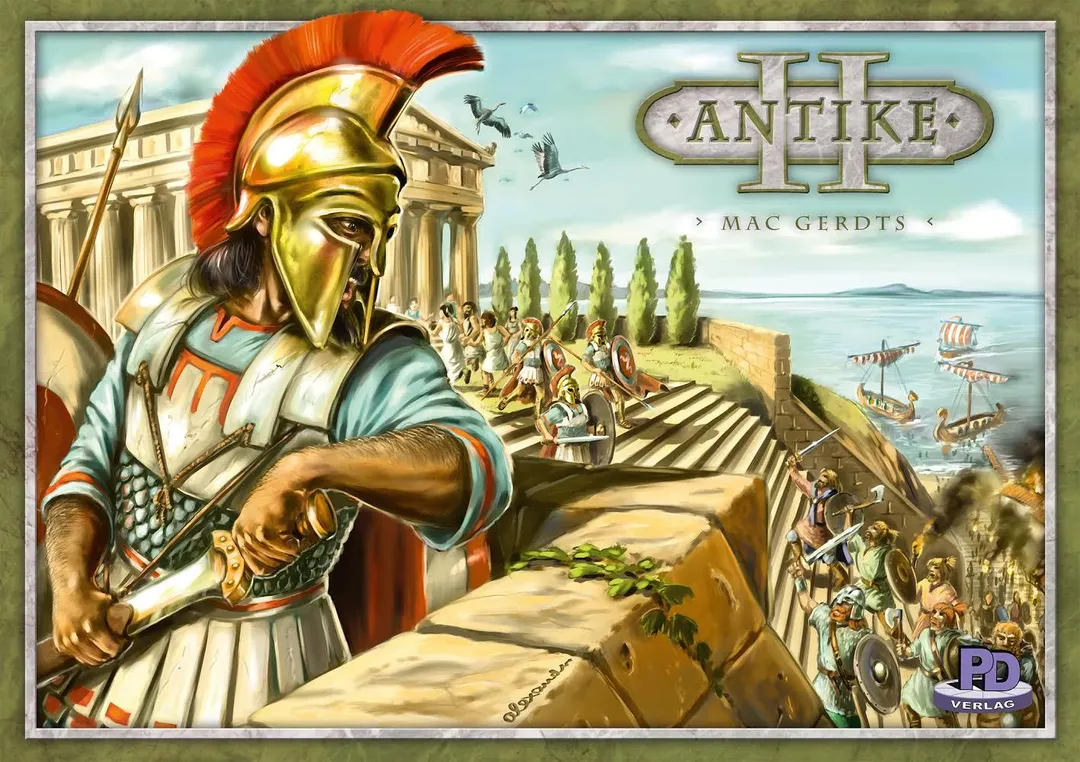
Hamburgum: Antverpia è un’espansione di Hamburgum pubblicata nel 2010 per 2–5 giocatori, con partite da 90 minuti e dai 12 anni in su. È stato ideato da Mac Gerdts.
In inglese
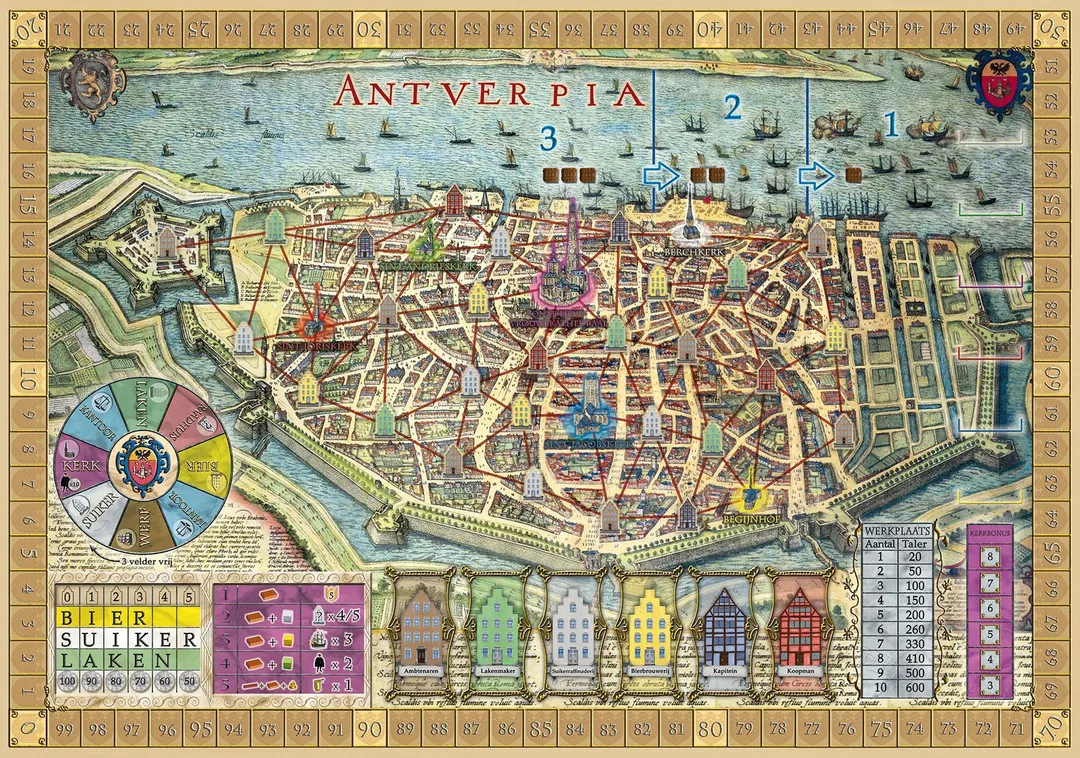
Players represent wealthy families in one of the most thriving European cities of the 16th century: Antverpia (=Antwerp in Belgium). They gain wealth by shipping sugar, cloth and beer overseas, construct new buildings, and help building the 6 most important churches of the city by granting donations to them. But it is not the wealthiest family who will win the game, instead it will be the family who has donated most wisely to the churches. This expansion of the game Hamburgum offers not only a different map with a new allocation of buildings, but also different rules for the donations and visiting the church space on the rondel. Other than in original Hamburgum, church districts do not exist, all donations have to be taken in a certain order, a church tax is implemented on the rondel, and ships give more victory points. The board uses historical views taken from original maps of the 16th century and is printed from both sides: Antverpia on the one side, and a new map of Hamburgum on the other. New and beautifully illustrated church donations will come with the expansion, printed on thick cardboard. Other than that, the game material from Hamburgum should be used (real bricks, metal bells, coins etc.).
Secondo il catalogo, Hamburgum: Antverpia supporta da 2 a 5 giocatori. L’intervallo corrisponde al numero di giocatori indicato dall’editore, quindi il gioco si può preparare per qualsiasi gruppo entro quei limiti. Preparazione, alcune regole e punteggio possono comunque variare in base al numero di giocatori: controlla la configurazione esatta nel regolamento della tua edizione.
La durata indicata per Hamburgum: Antverpia è di 90 minuti, la stima dell’editore per una partita completa. La durata effettiva dipende dal gruppo, dal numero di giocatori e dalla conoscenza delle regole: le prime partite durano di più, i gruppi esperti finiscono prima. Preparazione e spiegazione delle regole non sono comprese nella stima.
Il catalogo indica Hamburgum: Antverpia dai 12 anni in su. È la raccomandazione dell’editore e tiene conto della lettura richiesta, della complessità delle regole e dei componenti piccoli, non solo del tema. I più giovani spesso possono giocare con l’aiuto di un adulto: controlla l’età consigliata sulla tua edizione e l’esperienza del tuo gruppo con i giochi da tavolo.
Hamburgum: Antverpia ha un punteggio di complessità di 3,0 su 5 secondo i giocatori di BoardGameGeek, il che lo rende un gioco di media complessità. Il punteggio riflette quanta conoscenza delle regole, pianificazione e decisioni richiede una partita tipica. I giochi impegnativi richiedono una prima spiegazione più lunga, quindi conviene usare una guida di preparazione.
Hamburgum: Antverpia appartiene a queste categorie: Medieval, City Building e Expansion for Base-game. Le categorie descrivono il tema, l’ambientazione e lo stile di un gioco, non le sue regole. Filtra il catalogo per la stessa categoria per trovare giochi simili se ti è piaciuto Hamburgum: Antverpia e cerchi qualcosa di paragonabile per la prossima serata.
Gli autori accreditati di Hamburgum: Antverpia sono: Mac Gerdts. Questi crediti provengono dai dati pubblicati del gioco e indicano le persone responsabili della sua progettazione, non gli illustratori o gli editori. Le pagine degli autori su MeepleRules raccolgono altri titoli degli stessi autori, utili quando un gioco ti piace e ne cerchi di simili.
Il catalogo classifica Hamburgum: Antverpia come espansione di Hamburgum. Le espansioni aggiungono contenuti, regole o scenari al gioco base e di solito non si possono giocare da sole, quindi per usarla ti serve Hamburgum. Controlla che la tua edizione di Hamburgum sia compatibile, perché alcune espansioni sono state riviste tra un’edizione e l’altra.