
- Posizione BGG
- BGG #9757
- Valutazione BGG
- 6,8
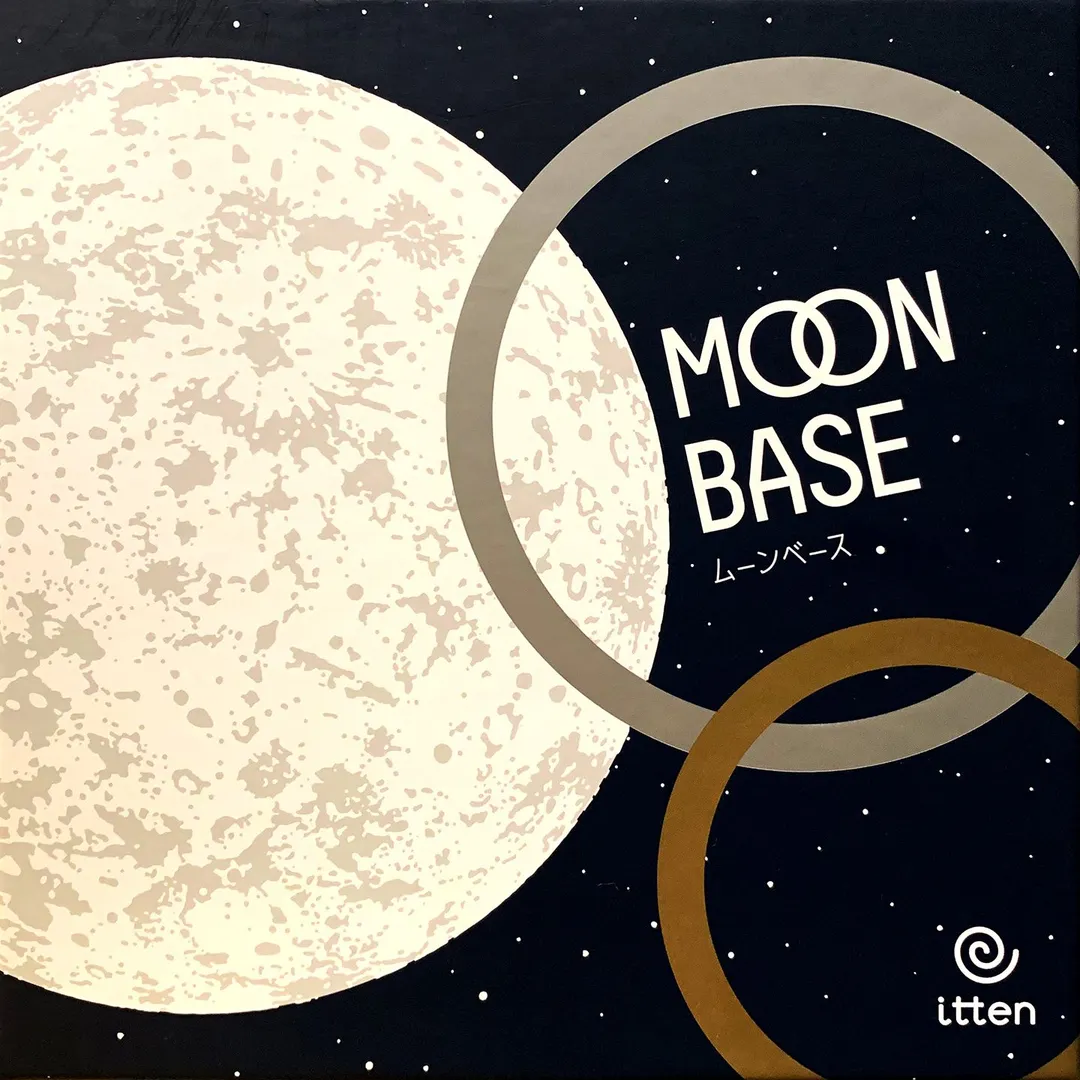
Moon Base
- 2 giocatori
- 30–60 min
- Complessità 2,3/5
- 2019
2017
Aiuto con le regole di HATSUDEN
Spiegazioni chiare di turni, effetti delle carte e situazioni dubbie, con riferimenti alle fonti ufficiali e cronologia delle domande salvata.
Per 2 giocatori
Cosa vuoi sapere?
Le risposte vengono dal regolamento ufficiale, con la pagina da verificare.
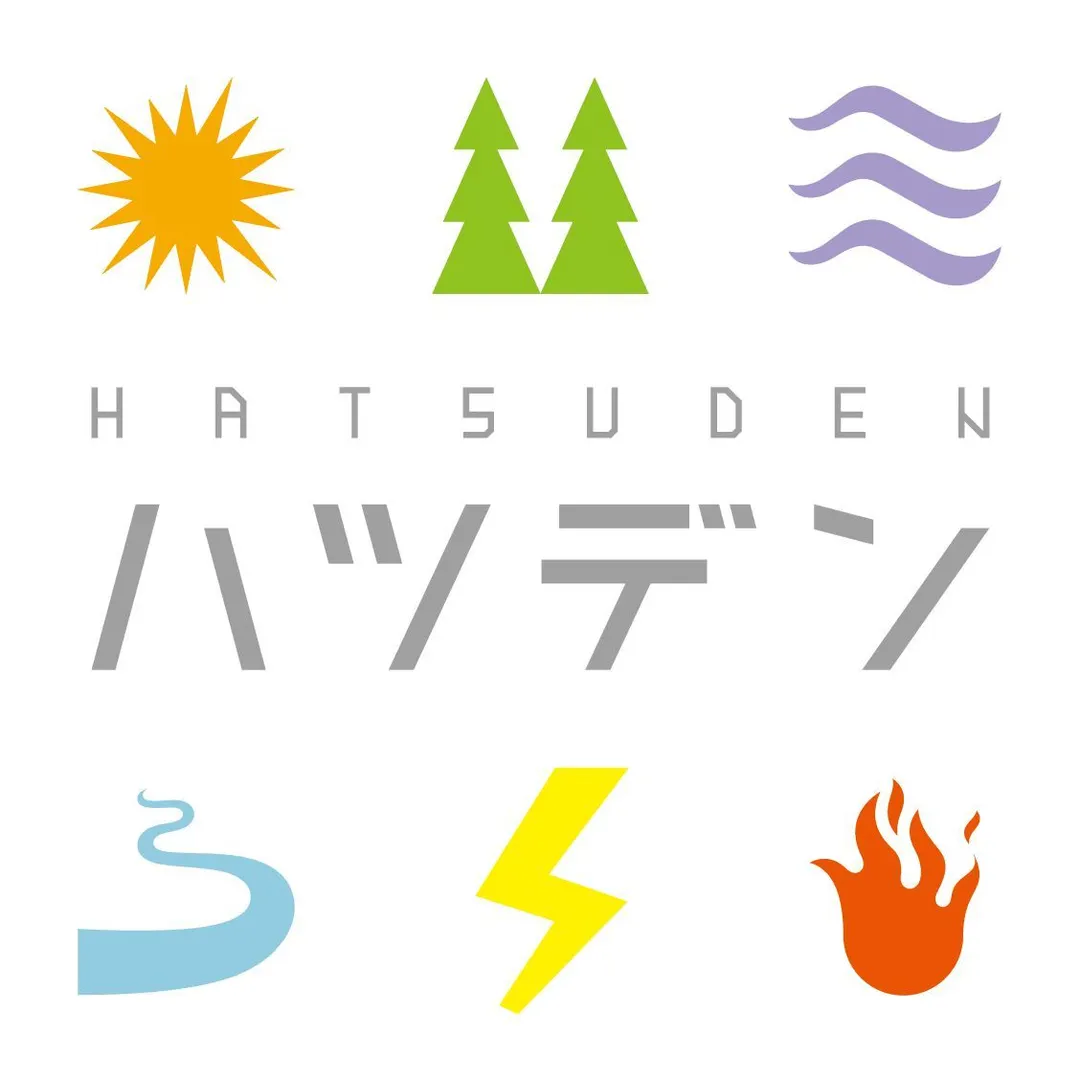
HATSUDEN è un gioco da tavolo pubblicato nel 2017 per 2 giocatori, con partite da 15 a 30 minuti e dai 10 anni in su. È stato ideato da Naotaka Shimamoto e le sue meccaniche principali sono Hand Management e Area Majority / Influence.








In inglese
HATSUDEN is a game of two players with a theme of electricity supply. Although minimal in system and play time, it has a thrilling game plot and the results are never predictable. This is a game for players of all range. Please take a try. Construct 5 types of renewable energy plant (Solar, Geothermal, Wind, Hydro, Biomass) and complete your supply to the city. Compete for greater electricity, also making sure to keep just the right amount for your city’s demand. The special technology cards also play a big role as the game develops. Now, head out to the journey to become a great “HATSUDEN” engineer. Goal of the Game In HATSUDEN, players compete for 1. greater generation of renewable energy, and 2. optimum power supply to the cities. General Procedures Choose an open space. Place a power plant card corresponding to the renewable energy type indicated at the top of the column. Once you have placed a plant card, you have now acquired a power supply equivalent to the number marked on the card. All power plants supply electricity to the city at the end of the row. A city needs a total of 10 supply, and 9 or 11 would also be permissible. If the sum of supply becomes 12 or more after a power plant construction or upgrade, you must flip one(or more)of the other power plant cards in the same row and convert it to a pylon, so the supply level is kept at 11 or less. When either player completes all ten spaces provided another player takes the last turn to finish off the game. If the last player is not able to complete all 10 spaces, the remaining spaces will be filled with pylons. Point Calculation First of all, players calculate the generation for each renewable energy (solar, geothermal, wind, water, and biomass). Cards in the two spaces in the column are added, and the sums of generation level are compared between the players. The player with a greater generation level takes the renewable energy card face down. This will count as 1 point. If it is a tie, neither gets a point. Calculate the total supply to the city by adding the generation of the plants in the row. If you have a total of 10 supply to the city, you may take the city card face down. This will count as 1 point. If the total supply is 8 or below, you will have 1 point taken away. Whoever earns a higher total score is the winner of the game. If it’s a tie, the total points from the cities(1 point from scoring 10, and -1 from scoring 8 or less)will determine the winner. If this too is tied, the player playing second will be the winner.
Secondo il catalogo, HATSUDEN supporta 2 giocatori. È il numero di giocatori indicato dall’editore, quindi il gioco è pensato esattamente per quel numero di partecipanti. Le varianti per gruppi di altre dimensioni, se esistono, sono descritte nel regolamento della tua edizione: consultalo prima di preparare una configurazione diversa.
La durata indicata per HATSUDEN è di 15–30 minuti, la stima dell’editore per una partita completa. La durata effettiva dipende dal gruppo, dal numero di giocatori e dalla conoscenza delle regole: le prime partite durano di più, i gruppi esperti finiscono prima. Preparazione e spiegazione delle regole non sono comprese nella stima.
Il catalogo indica HATSUDEN dai 10 anni in su. È la raccomandazione dell’editore e tiene conto della lettura richiesta, della complessità delle regole e dei componenti piccoli, non solo del tema. I più giovani spesso possono giocare con l’aiuto di un adulto: controlla l’età consigliata sulla tua edizione e l’esperienza del tuo gruppo con i giochi da tavolo.
HATSUDEN ha un punteggio di complessità di 1,2 su 5 secondo i giocatori di BoardGameGeek, il che lo rende un gioco leggero. Il punteggio riflette quanta conoscenza delle regole, pianificazione e decisioni richiede una partita tipica. I giochi impegnativi richiedono una prima spiegazione più lunga, quindi conviene usare una guida di preparazione.
HATSUDEN appartiene a queste categorie: Industry / Manufacturing. Le sue meccaniche principali sono Hand Management e Area Majority / Influence. Le categorie descrivono il tema e l’ambientazione di un gioco, mentre le meccaniche descrivono ciò che i giocatori fanno davvero nel proprio turno. Ogni meccanica porta a una pagina del catalogo con giochi simili.
Gli autori accreditati di HATSUDEN sono: Naotaka Shimamoto. Questi crediti provengono dai dati pubblicati del gioco e indicano le persone responsabili della sua progettazione, non gli illustratori o gli editori. Le pagine degli autori su MeepleRules raccolgono altri titoli degli stessi autori, utili quando un gioco ti piace e ne cerchi di simili.
Il catalogo classifica HATSUDEN come gioco base. Si gioca da solo con i componenti presenti nella scatola e non richiede altri titoli. Le espansioni, se esistono, aggiungono nuovo contenuto o nuove regole e sono elencate separatamente nel catalogo con un collegamento a questo gioco base.