

- Posizione BGG
- BGG #2028
- Valutazione BGG
- 7,3
Omen: A Reign of War
- 2 giocatori
- 30 min
- Complessità 2,3/5
- 2011
2013
Aiuto con le regole di Hemloch: Vault of Darkness
Spiegazioni chiare di turni, effetti delle carte e situazioni dubbie, con riferimenti alle fonti ufficiali e cronologia delle domande salvata.
Per 2 giocatori
Cosa vuoi sapere?
Le risposte vengono dal regolamento ufficiale, con la pagina da verificare.
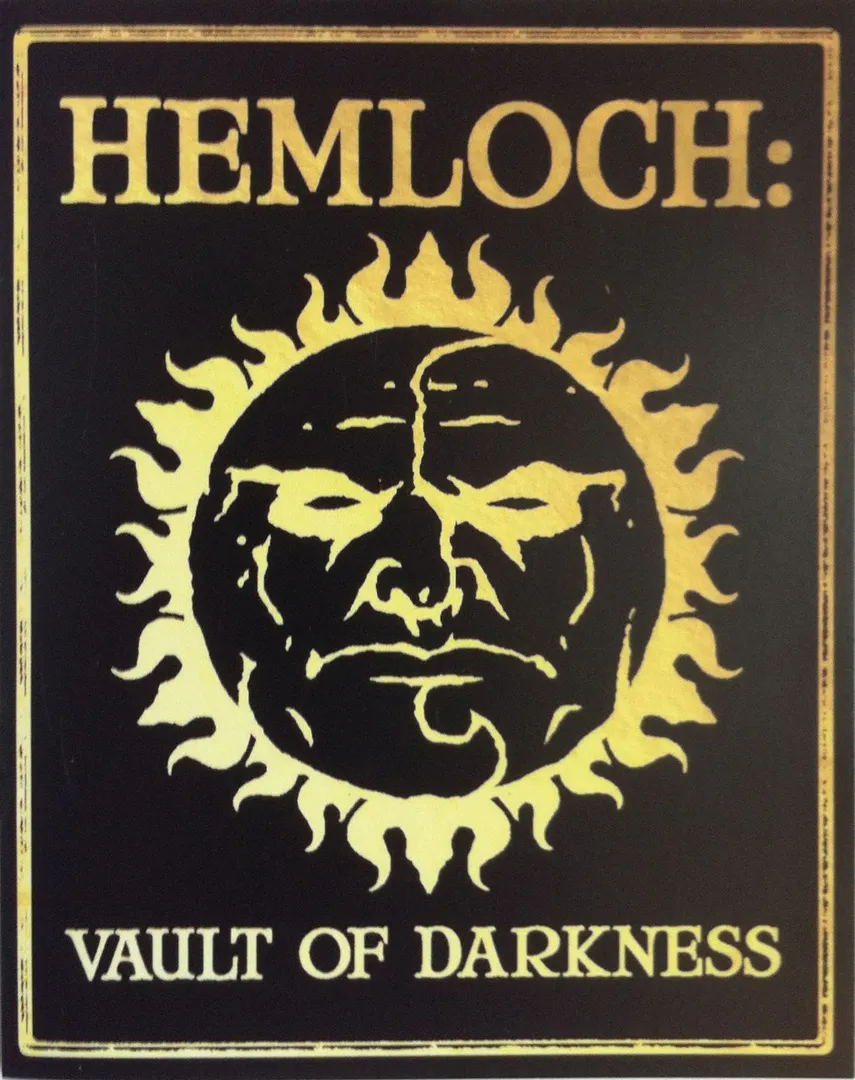
Hemloch: Vault of Darkness è un gioco da tavolo pubblicato nel 2013 per 2 giocatori e con partite da 30 minuti. È stato ideato da John Clowdus e le sue meccaniche principali sono Hand Management e Area Majority / Influence.





In inglese
Hemloch is a peculiar city; its nights and days last for decades, and control of the city swings wildly during the weeks leading up to the change. The Great Houses, using Minions as ark and peculiar as the town itself, vie for control of Hemoch's districts. The Long Night is ending, and you have precious little twilight remaining to assert you House's dominance over the city's 4 districts. In 8 nights, the sun rises, and in that time, you must use the Spoils of the Vault of Darkness to draw as many minions to your side as you can, while thwarting the rival House's plans. One of Small Box Games' most anticipated reprintings, Hemloch has received an overhaul; both graphically and mechanically, drawing from the mood, theme, and mechanics that made Hemloch a well regarded two player game and melding them with new mechanics and more dynamic gameplay. While this game is specifically Hemloch: Vault of Darkness (a game of 2 players), as a bonus in this limited edition, the material needed to play an additional game, Shadow of the Sun (a game for 3-4 players), is included. This limited edition print run is limited to 500 copies.
Secondo il catalogo, Hemloch: Vault of Darkness supporta 2 giocatori. È il numero di giocatori indicato dall’editore, quindi il gioco è pensato esattamente per quel numero di partecipanti. Le varianti per gruppi di altre dimensioni, se esistono, sono descritte nel regolamento della tua edizione: consultalo prima di preparare una configurazione diversa.
La durata indicata per Hemloch: Vault of Darkness è di 30 minuti, la stima dell’editore per una partita completa. La durata effettiva dipende dal gruppo, dal numero di giocatori e dalla conoscenza delle regole: le prime partite durano di più, i gruppi esperti finiscono prima. Preparazione e spiegazione delle regole non sono comprese nella stima.
Hemloch: Vault of Darkness ha un punteggio di complessità di 2,2 su 5 secondo i giocatori di BoardGameGeek, il che lo rende un gioco piuttosto leggero. Il punteggio riflette quanta conoscenza delle regole, pianificazione e decisioni richiede una partita tipica. I giochi impegnativi richiedono una prima spiegazione più lunga, quindi conviene usare una guida di preparazione.
Hemloch: Vault of Darkness appartiene a queste categorie: Card Game e Fantasy. Le sue meccaniche principali sono Hand Management e Area Majority / Influence. Le categorie descrivono il tema e l’ambientazione di un gioco, mentre le meccaniche descrivono ciò che i giocatori fanno davvero nel proprio turno. Ogni meccanica porta a una pagina del catalogo con giochi simili.
Gli autori accreditati di Hemloch: Vault of Darkness sono: John Clowdus. Questi crediti provengono dai dati pubblicati del gioco e indicano le persone responsabili della sua progettazione, non gli illustratori o gli editori. Le pagine degli autori su MeepleRules raccolgono altri titoli degli stessi autori, utili quando un gioco ti piace e ne cerchi di simili.
Il catalogo classifica Hemloch: Vault of Darkness come gioco base. Si gioca da solo con i componenti presenti nella scatola e non richiede altri titoli. Le espansioni, se esistono, aggiungono nuovo contenuto o nuove regole e sono elencate separatamente nel catalogo con un collegamento a questo gioco base.