

- Posizione BGG
- BGG #2655
- Valutazione BGG
- 7,3
Jekyll & Hyde vs Scotland Yard
- 2 giocatori
- 20 min
- Complessità 2,2/5
- 2023
2023
Aiuto con le regole di Hipparchus
Spiegazioni chiare di turni, effetti delle carte e situazioni dubbie, con riferimenti alle fonti ufficiali e cronologia delle domande salvata.
Per 2 giocatori
Cosa vuoi sapere?
Le risposte vengono dal regolamento ufficiale, con la pagina da verificare.
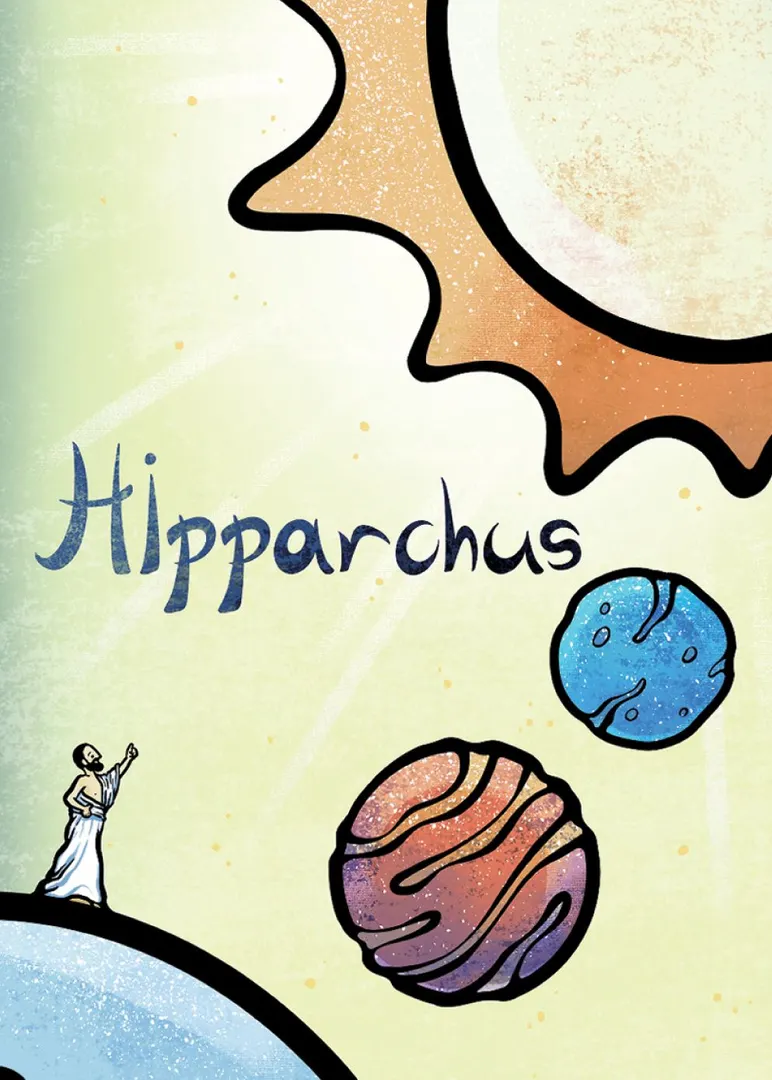
Hipparchus è un gioco da tavolo pubblicato nel 2023 per 2 giocatori e con partite da 10 a 20 minuti. È stato ideato da Geonil e le sue meccaniche principali sono Hand Management e Trick-taking.


In inglese
Hipparchus was an ancient Greek astronomer who calculated the ecliptic and orbit of the Moon, and the paths of the sun and the moon, discovering in the process that the center of the universe was not Earth. Hipparchus is a two-player trick-taking game in which players become ancient Greek astronomers and present their findings on the Sun, the Moon, and the Earth to one another. You want to share the study of one celestial body with your colleague without monopolizing it, yet still gain more authority than them. In more detail, the game contains three suits of cards: Sun, Moon, and Earth, with ten copies of each. Each player gets a hand of fourteen cards and cannot rearrange them. The lead player plays 1-3 cards of a single suit, and when choosing something to play, you can't break up pairs or triplets in your hand. If you have three Earth cards in a row, you can play them only together as three Earths. The following player must play the same suit, if possible, but a different number of cards; if they can't do this, they can play 1-3 cards from either other suit. If both players play the same suit, the player who played more cards wins the trick, stacks the cards in their collection, then leads to the next trick. If players play different suits, then the player who has fewer cards of their played suit in their collection wins the trick. (In a tie, the following player wins.) When a player runs out of cards, the round ends. Each player tallies their score. If you have more cards in a suit than your opponent, you score points equal to the number of cards they have. Whoever has the highest score wins the round; the first player to win two rounds wins the game.
Secondo il catalogo, Hipparchus supporta 2 giocatori. È il numero di giocatori indicato dall’editore, quindi il gioco è pensato esattamente per quel numero di partecipanti. Le varianti per gruppi di altre dimensioni, se esistono, sono descritte nel regolamento della tua edizione: consultalo prima di preparare una configurazione diversa.
La durata indicata per Hipparchus è di 10–20 minuti, la stima dell’editore per una partita completa. La durata effettiva dipende dal gruppo, dal numero di giocatori e dalla conoscenza delle regole: le prime partite durano di più, i gruppi esperti finiscono prima. Preparazione e spiegazione delle regole non sono comprese nella stima.
Hipparchus ha un punteggio di complessità di 2,0 su 5 secondo i giocatori di BoardGameGeek, il che lo rende un gioco piuttosto leggero. Il punteggio riflette quanta conoscenza delle regole, pianificazione e decisioni richiede una partita tipica. I giochi impegnativi richiedono una prima spiegazione più lunga, quindi conviene usare una guida di preparazione.
Hipparchus appartiene a queste categorie: Card Game. Le sue meccaniche principali sono Hand Management e Trick-taking. Le categorie descrivono il tema e l’ambientazione di un gioco, mentre le meccaniche descrivono ciò che i giocatori fanno davvero nel proprio turno. Ogni meccanica porta a una pagina del catalogo con giochi simili.
Gli autori accreditati di Hipparchus sono: Geonil. Questi crediti provengono dai dati pubblicati del gioco e indicano le persone responsabili della sua progettazione, non gli illustratori o gli editori. Le pagine degli autori su MeepleRules raccolgono altri titoli degli stessi autori, utili quando un gioco ti piace e ne cerchi di simili.
Il catalogo classifica Hipparchus come gioco base. Si gioca da solo con i componenti presenti nella scatola e non richiede altri titoli. Le espansioni, se esistono, aggiungono nuovo contenuto o nuove regole e sono elencate separatamente nel catalogo con un collegamento a questo gioco base.