
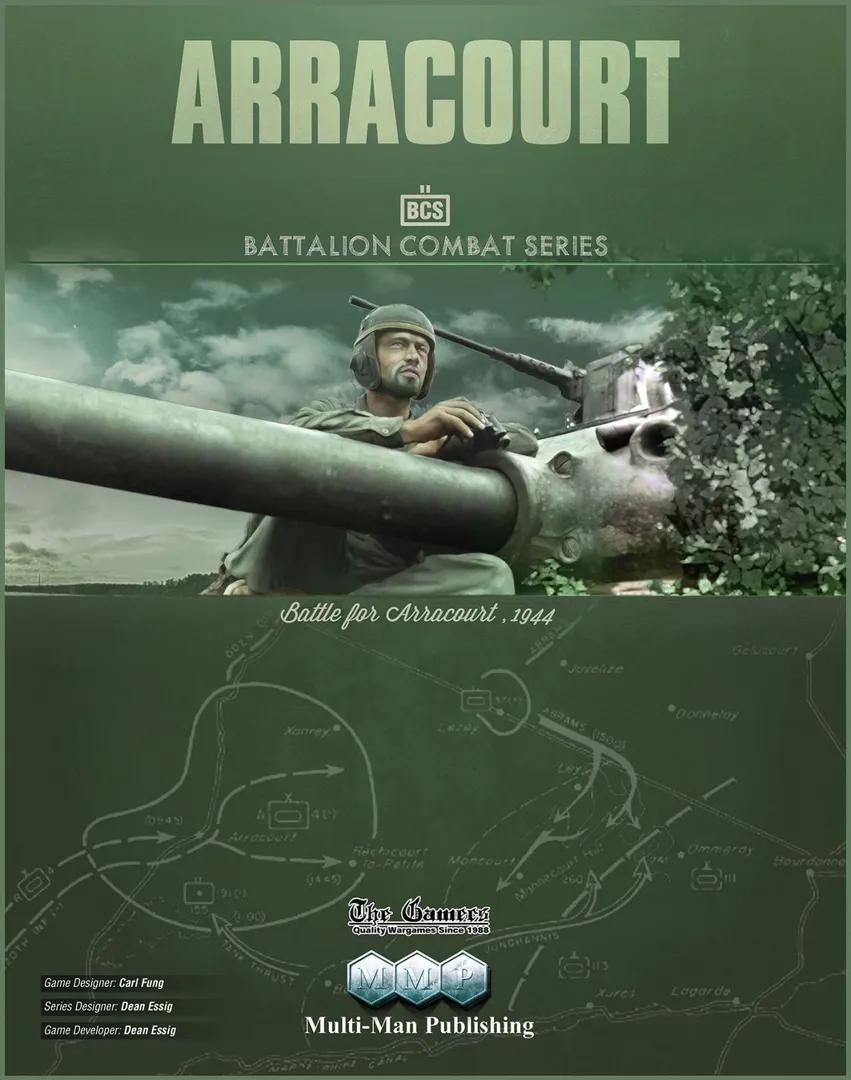
- Posizione BGG
- BGG #6107
- Valutazione BGG
- 8,4
Arracourt
- 2 giocatori
- 120 min
- Complessità 3,9/5
- 2022
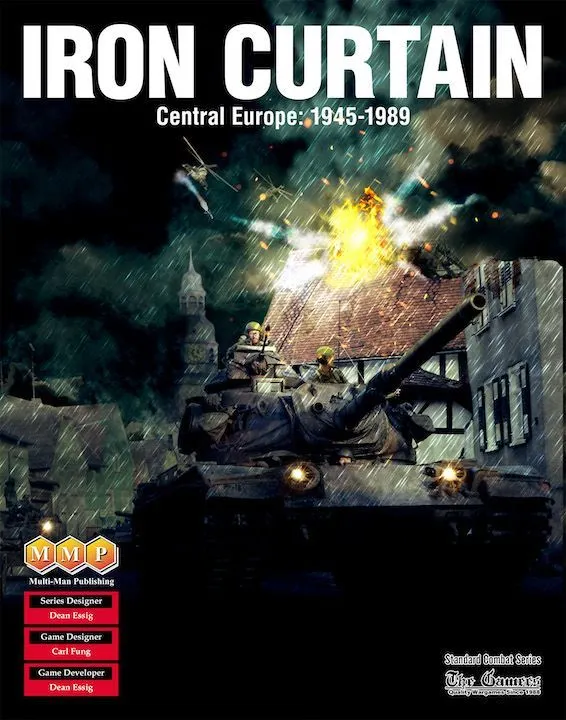
2020
Aiuto con le regole di Iron Curtain: Central Europe, 1945-1989
Spiegazioni chiare di turni, effetti delle carte e situazioni dubbie, con riferimenti alle fonti ufficiali e cronologia delle domande salvata.
Per 1 giocatore
Cosa vuoi sapere?
Le risposte vengono dal regolamento ufficiale, con la pagina da verificare.
Iron Curtain: Central Europe, 1945-1989 è un gioco da tavolo pubblicato nel 2020 per 1–2 giocatori. È stato ideato da Dean Essig e Carl Fung e le sue meccaniche principali sono Dice Rolling e Hexagon Grid.


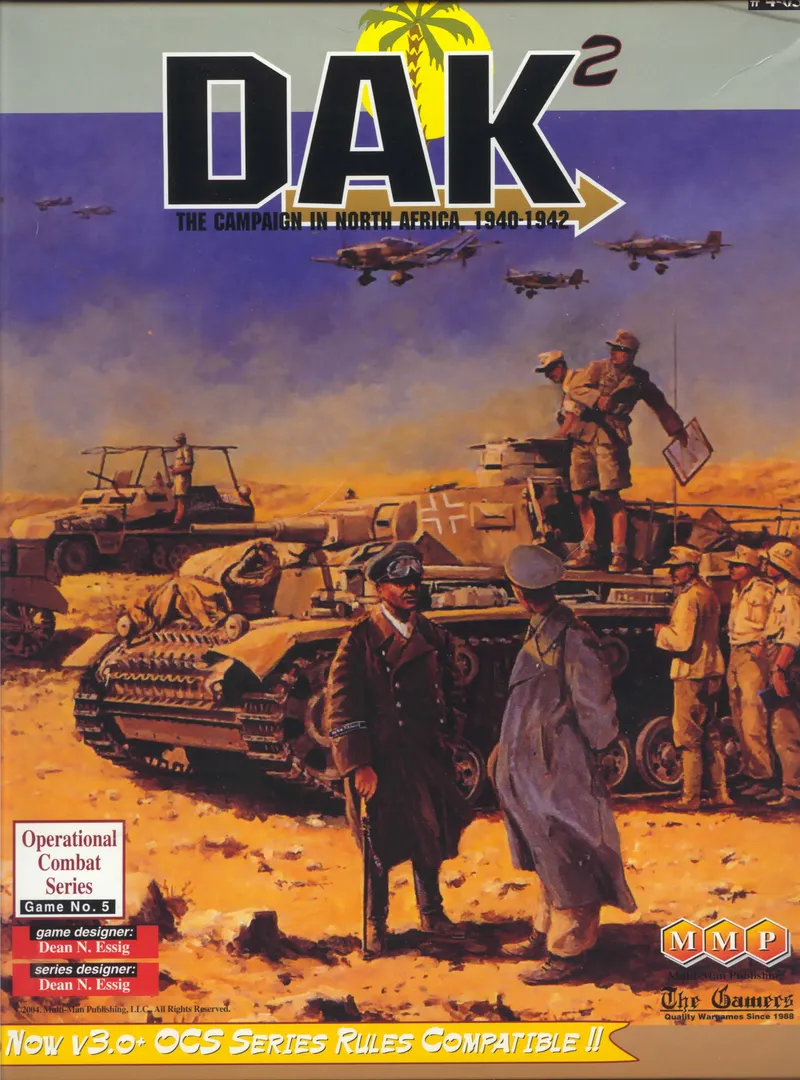

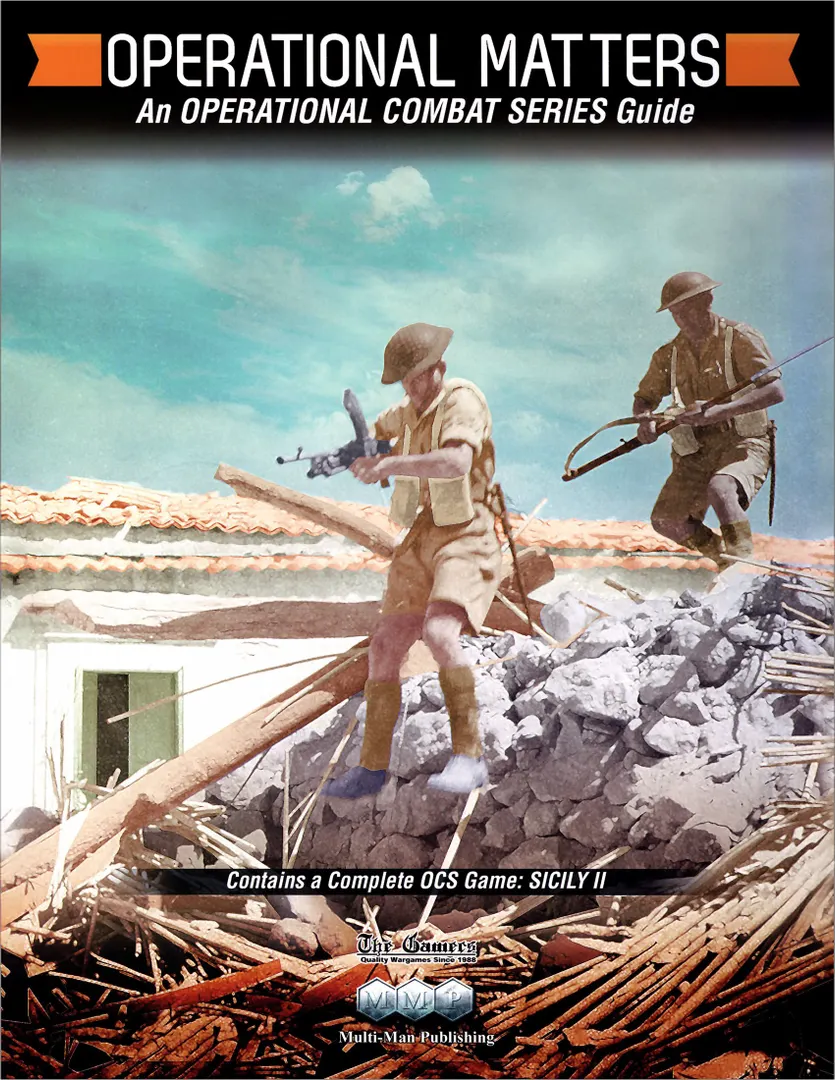
In inglese
Iron Curtain: Central Front, 1945-1989 is the 23rd game in the Standard Combat Series (SCS), and covers the potential "hot" war erupting between the East and the West at the flashpoint along the intra-German border established at the close of World War II. Scenarios examine the forces available over the entire 44-year period with snapshots in 1945, 1962, 1975, 1983, and 1989. The resulting force ratios not only change with weapon and OOB evolution but as a product of the tumultuous effects of the culture. In addition to the typical Warsaw Pact-invades-NATO situations, the game provides for three NATO offensive scenarios. The 1945 Churchill plan to continue WW2 before the Soviets could consolidate their gains (Operation UNTHINKABLE), the mishaps of 1983 that could have launched an offensive in error, and allowing the West to capitalize on the dissolution of the Warsaw Pact nations in 1989. Every game is different because while the units set up in their peace-time housing areas, each side gets an unpredictable amount of time to "run up" before the war actually begins while tension rises. The result will allow each side to move to deployment areas (or not) as the fates decree with all combinations of total surprise to total preparedness possible between them. Iron Curtain is a fast-paced game of what is assumed to be a month of intensive combat where both sides race to fulfill their objectives before a cease-fire ends hostilities. All the developments of modern warfare over this epoch are included: nuclear and chemical warfare, modern near-nuclear aviation effects, airmobile forces, attack helicopters, airborne mech forces, amphibious operations, and even the ill-fated Pentomic Division structure. It is your turn to decide the fate of Europe. Scenarios (all are a maximum of 10 turns): • Hot Time in the Town of Berlin—1945 Western Allies Offensive • Don’t Fence Me In—1945 Soviet Offensive • If I Had a Hammer—1962 Soviet Offensive • Bohemian Rhapsody—1975 Soviet Offensive • Eye of the Tiger—1983 Soviet Offensive • It’s a Mistake—1983 NATO Offensive • Everybody Wants to Rule the World—1989 Soviet Offensive • We Didn’t Start the Fire—1989 NATO Offensive Game Inventory: • One 8-page Standard Combat Series rulebook (Version 1.8) • One 52-page Iron Curtain game-specific rulebook • one 22" x 34" full color mapsheet • Four dual-side printed countersheets (1120 1/2" counters) • two full-color Player Displays • two full-color 2-sided Game Charts & Tables • box and 6-sided dice
Secondo il catalogo, Iron Curtain: Central Europe, 1945-1989 supporta da 1 a 2 giocatori. L’intervallo corrisponde al numero di giocatori indicato dall’editore, quindi il gioco si può preparare per qualsiasi gruppo entro quei limiti. Preparazione, alcune regole e punteggio possono comunque variare in base al numero di giocatori: controlla la configurazione esatta nel regolamento della tua edizione.
Iron Curtain: Central Europe, 1945-1989 ha un punteggio di complessità di 2,7 su 5 secondo i giocatori di BoardGameGeek, il che lo rende un gioco piuttosto leggero. Il punteggio riflette quanta conoscenza delle regole, pianificazione e decisioni richiede una partita tipica. I giochi impegnativi richiedono una prima spiegazione più lunga, quindi conviene usare una guida di preparazione.
Iron Curtain: Central Europe, 1945-1989 appartiene a queste categorie: Wargame e Modern Warfare. Le sue meccaniche principali sono Dice Rolling e Hexagon Grid. Le categorie descrivono il tema e l’ambientazione di un gioco, mentre le meccaniche descrivono ciò che i giocatori fanno davvero nel proprio turno. Ogni meccanica porta a una pagina del catalogo con giochi simili.
Gli autori accreditati di Iron Curtain: Central Europe, 1945-1989 sono: Dean Essig e Carl Fung. Questi crediti provengono dai dati pubblicati del gioco e indicano le persone responsabili della sua progettazione, non gli illustratori o gli editori. Le pagine degli autori su MeepleRules raccolgono altri titoli degli stessi autori, utili quando un gioco ti piace e ne cerchi di simili.
Il catalogo classifica Iron Curtain: Central Europe, 1945-1989 come gioco base. Si gioca da solo con i componenti presenti nella scatola e non richiede altri titoli. Le espansioni, se esistono, aggiungono nuovo contenuto o nuove regole e sono elencate separatamente nel catalogo con un collegamento a questo gioco base.