
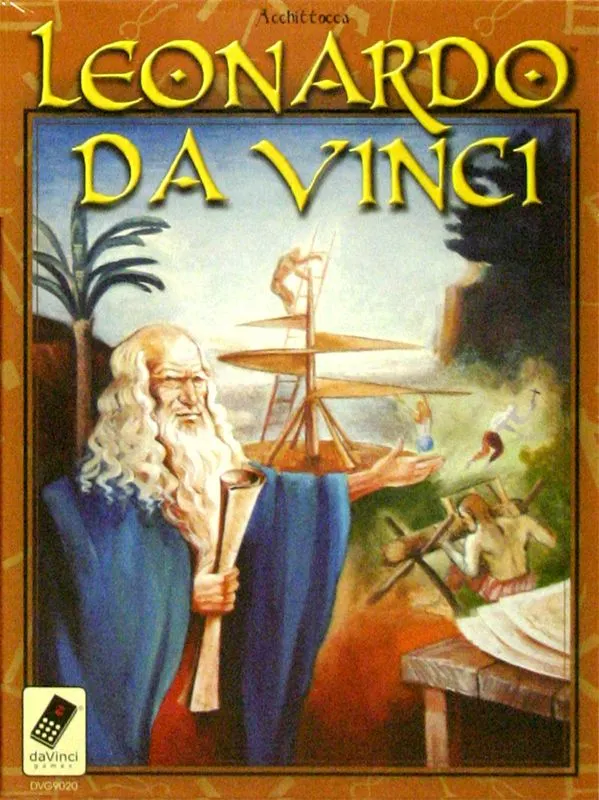
- Posizione BGG
- BGG #2253
- Valutazione BGG
- 6,7
Leonardo da Vinci
- 2–5 giocatori
- 90 min
- Complessità 3,2/5
- 2006
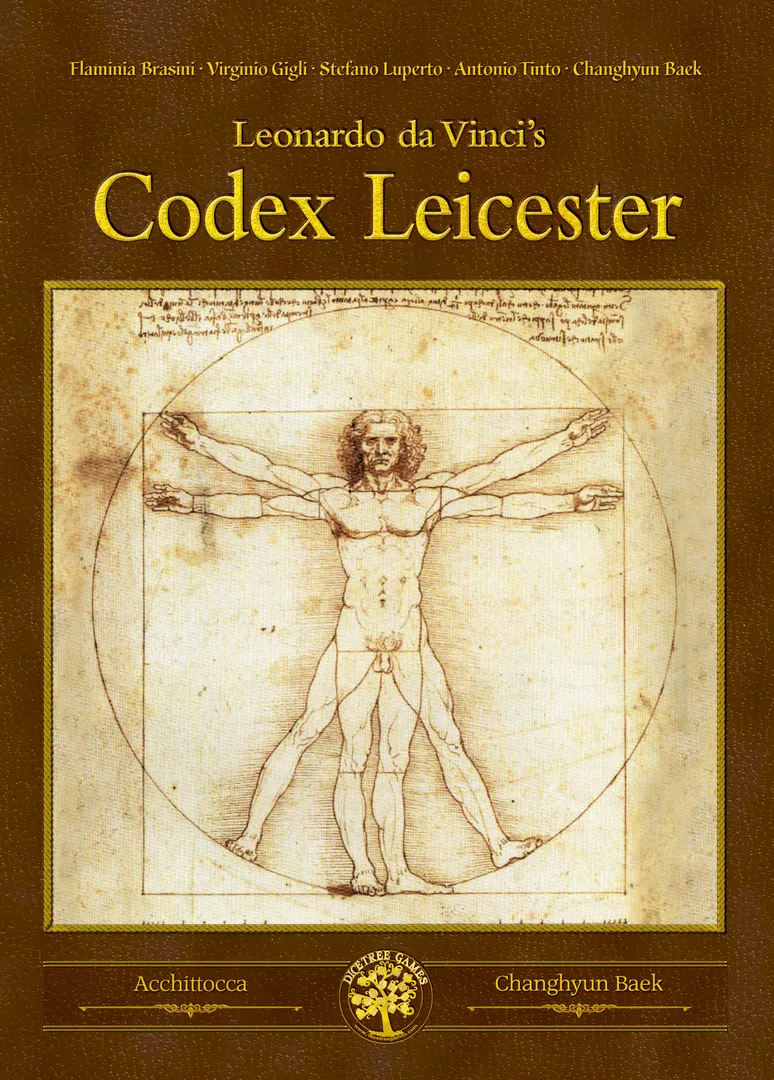
2023
Aiuto con le regole di Leonardo da Vinci's Codex Leicester
Spiegazioni chiare di turni, effetti delle carte e situazioni dubbie, con riferimenti alle fonti ufficiali e cronologia delle domande salvata.
Per 1 giocatore
Cosa vuoi sapere?
Le risposte vengono dal regolamento ufficiale, con la pagina da verificare.
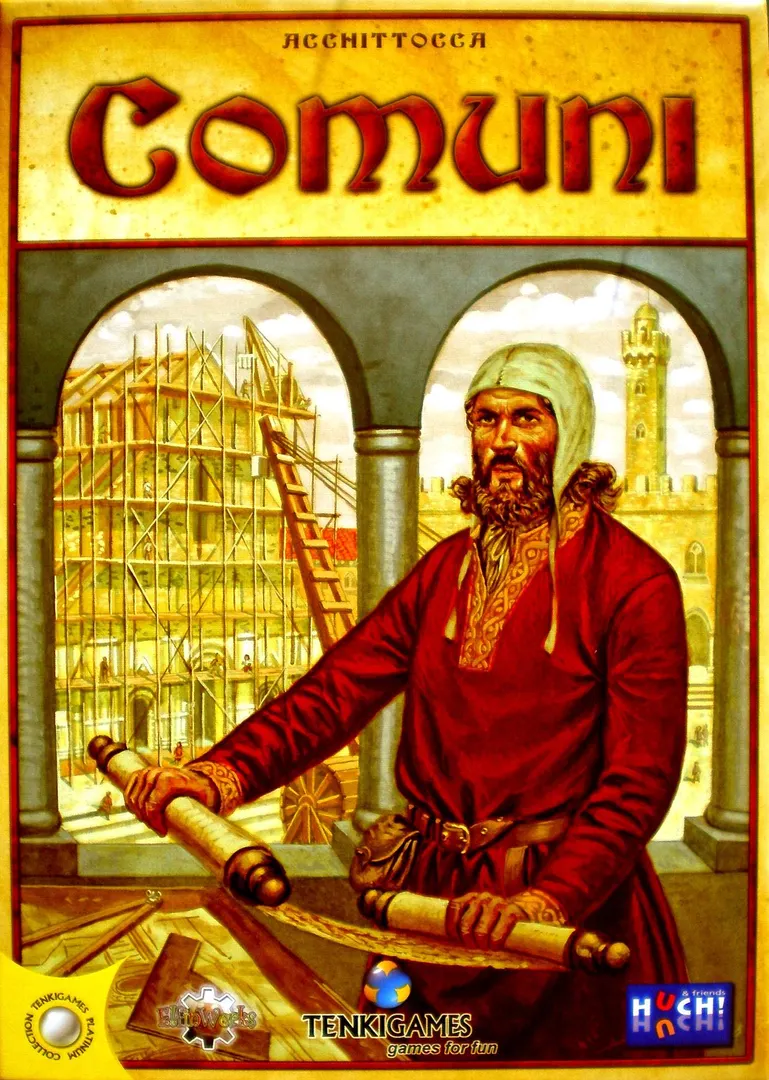
Leonardo da Vinci's Codex Leicester è un gioco da tavolo pubblicato nel 2023 per 1–5 giocatori, con partite da 30 a 150 minuti e dai 14 anni in su. È stato ideato da Stefano Luperto, Antonio Tinto, Virginio Gigli, Flaminia Brasini e Changhyun Baek e le sue meccaniche principali sono Area Majority / Influence e Worker Placement.









In inglese
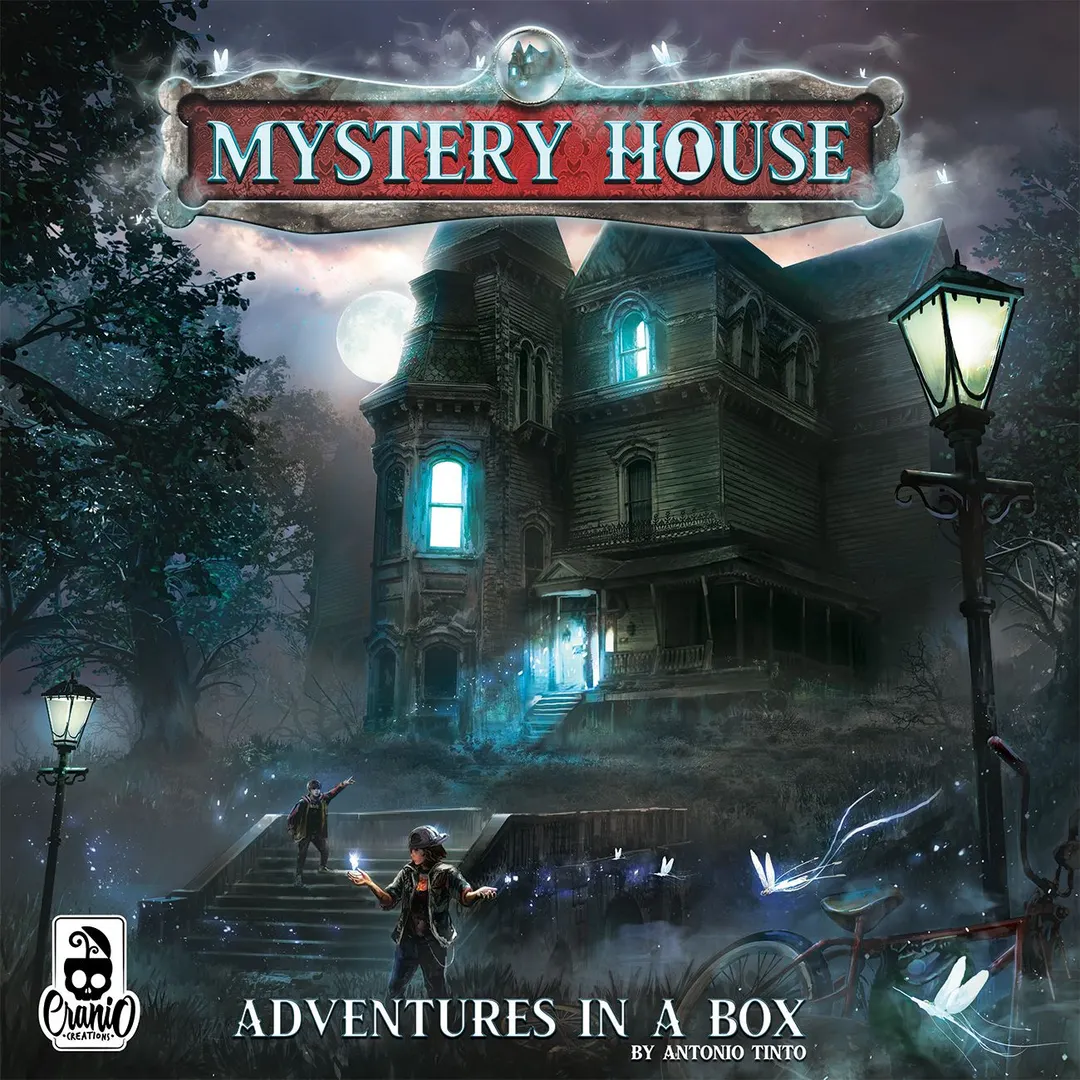
Codex Leicester is the reimplementation of Leonardo da Vinci (2006) by Acchittocca (Flaminia Brasini, Virginio Gigli, Stefano Luperto, Antonio Tinto) in collaboration with the founder of DiceTree Games, Changhyun Baek. It is a new game using the original’s system and theme. This is a worker placement game for 1 to 5 players, featuring strong player interaction. Playtime lasts approximately 30 minutes per player. Summary: Players find themselves as inventors trying to breathe life into their designs, all of which draw their inspiration from the notes of the master himself: the Codex Leicester of Leonardo da Vinci. Ranging from relatively simple to epic, all these inventions require materials and time to bring them to fruition. Of course, genius alone won’t get the job done. Get support from the Council and sponsors. You will need to expand your workshops and procure Automata designed by Leonardo himself – all this to increase your work efficiency. Hire apprentices straight out of the academy to nab highly coveted materials from the market before your rivals. Time is of the essence. Race to be the foremost in completing inventions. You will unlock rewards and special abilities if you are the first player to complete the inventions. Otherwise, you will get less rewards without special abilities. After 7 rounds, the player who has amassed the largest fortune will be awarded victory! Who among you will be the most ingenious Renaissance inventor? -description from publisher = Changes from Leonardo da Vinci (2006): - The allocation of start game resources has changed. 4 resource selection cards are distributed, of which 2 are kept, and their corresponding resources are collected. Receive additional resources according to to turn order. - Competitive elements have been strengthened for a 2 or 3 players game, allowing enjoyment of a similar tension at any player count. - More invention cards! An increase from 25 to 40 cards, with each card having special effects that players can use instantly, once in a round, and permanently. - More enticing Council options! An increase from four to eight options, with florins piling up on tiles that no one has chosen each time a new tile is placed. - Card resources have been replaced with meeples, and player screens have been added. - Invention card completion has been modified so that everyone knows what inventions are being worked on at any given time. - Invention cards are now divided into current and future spaces, adding a new dimension for strategic play. - The 15-week inventions are now only revealed at the start of the game, allowing players to prepare in advance. - Restrictions of the workshops have been lifted so that you can upgrade them, as well as add automata, in the middle of working on an invention. - Each player now gets six objectives, all of which yield rewards upon fulfillment. So if you find yourself falling behind in completing inventions, these objectives will help you catch up. - New effects have been added to the Laboratory and Academy. You can buy 1 work from the Laboratory and 1 resource from the Academy. Now there’s a reason to use the Laboratory and Academy in the later of the game. - The game consists of 7 rounds. Players pay salaries to hired assistants at the end of rounds 3, 5, and 7. Some effects of the Laboratory and Academy change in rounds 4 and 6. In round 7, players can sell resources instead of buying them. - The game comes with a double-sided game board; double-layered player boards; premium wooden, glass, and plastic resource tokens; and 12 transparent containers for storing components.
Secondo il catalogo, Leonardo da Vinci's Codex Leicester supporta da 1 a 5 giocatori. L’intervallo corrisponde al numero di giocatori indicato dall’editore, quindi il gioco si può preparare per qualsiasi gruppo entro quei limiti. Preparazione, alcune regole e punteggio possono comunque variare in base al numero di giocatori: controlla la configurazione esatta nel regolamento della tua edizione.
La durata indicata per Leonardo da Vinci's Codex Leicester è di 30–150 minuti, la stima dell’editore per una partita completa. La durata effettiva dipende dal gruppo, dal numero di giocatori e dalla conoscenza delle regole: le prime partite durano di più, i gruppi esperti finiscono prima. Preparazione e spiegazione delle regole non sono comprese nella stima.
Il catalogo indica Leonardo da Vinci's Codex Leicester dai 14 anni in su. È la raccomandazione dell’editore e tiene conto della lettura richiesta, della complessità delle regole e dei componenti piccoli, non solo del tema. I più giovani spesso possono giocare con l’aiuto di un adulto: controlla l’età consigliata sulla tua edizione e l’esperienza del tuo gruppo con i giochi da tavolo.
Leonardo da Vinci's Codex Leicester ha un punteggio di complessità di 3,2 su 5 secondo i giocatori di BoardGameGeek, il che lo rende un gioco di media complessità. Il punteggio riflette quanta conoscenza delle regole, pianificazione e decisioni richiede una partita tipica. I giochi impegnativi richiedono una prima spiegazione più lunga, quindi conviene usare una guida di preparazione.
Leonardo da Vinci's Codex Leicester appartiene a queste categorie: Industry / Manufacturing, Renaissance e Book. Le sue meccaniche principali sono Area Majority / Influence e Worker Placement. Le categorie descrivono il tema e l’ambientazione di un gioco, mentre le meccaniche descrivono ciò che i giocatori fanno davvero nel proprio turno. Ogni meccanica porta a una pagina del catalogo con giochi simili.
Gli autori accreditati di Leonardo da Vinci's Codex Leicester sono: Stefano Luperto, Antonio Tinto, Virginio Gigli, Flaminia Brasini e Changhyun Baek. Questi crediti provengono dai dati pubblicati del gioco e indicano le persone responsabili della sua progettazione, non gli illustratori o gli editori. Le pagine degli autori su MeepleRules raccolgono altri titoli degli stessi autori, utili quando un gioco ti piace e ne cerchi di simili.
Il catalogo classifica Leonardo da Vinci's Codex Leicester come gioco base. Si gioca da solo con i componenti presenti nella scatola e non richiede altri titoli. Le espansioni, se esistono, aggiungono nuovo contenuto o nuove regole e sono elencate separatamente nel catalogo con un collegamento a questo gioco base.