
- Posizione BGG
- BGG #8058
- Valutazione BGG
- 6,9
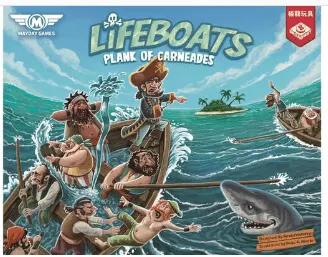
Lifeboats: Plank of Carneades
- 3–7 giocatori
- 45 min
- Complessità 1,6/5
- 2024
2010
Aiuto con le regole di Loch Ness
Spiegazioni chiare di turni, effetti delle carte e situazioni dubbie, con riferimenti alle fonti ufficiali e cronologia delle domande salvata.
Per 2 giocatori
Cosa vuoi sapere?
Le risposte vengono dal regolamento ufficiale, con la pagina da verificare.
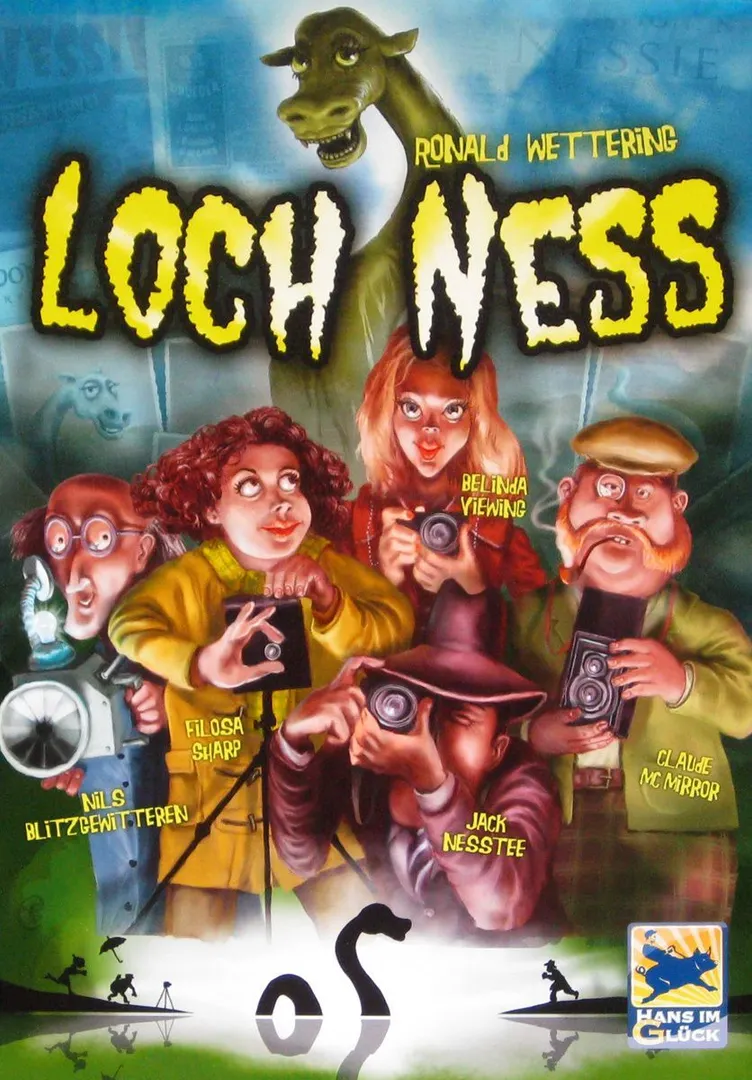
Loch Ness è un gioco da tavolo pubblicato nel 2010 per 2–5 giocatori, con partite da 30 a 45 minuti e dai 8 anni in su. È stato ideato da Ronald Wettering.


In inglese
From the rules: "For decades, reporters from around the world have been on the hunt for the Loch Ness monster. But lately reports of sightings of Nessie have been increasing. "Such reports naturally have drawn such reporters as the attractive Belinda Viewing from New York, the half-Belgian Claude McMirror, the clever Filosa Sharp, as well as her Londoner competitor Jack Nesstee, and even Nils the Blitzen from Denmark to the Loch. Equipped with the most modern equipment and techniques, these daring reporters have traveled to Scotland, in order to capture the elusive Nessie on film for their newspapers. "But the 5 will experience some surprises . . ." In Loch Ness, players compete to get pictures of Nessie. In turn order, players place or move their photographers on the board as they try to anticipate the movement of the Loch Ness monster. The movement of the monster is determined randomly by drawing move cards from the first three players, each card having a number from 1 to 5. The cards are not revealed until after the photographers have been placed. When they are revealed, the monster moves the total number of spaces and players score points based on the value of their photographers placed in the area where Nessie emerged. In addition, the players whose photographers were directly in front of Nessie select photo cards that will award points at the end of the game, especially if sets are created. Beginning in the second round, players will select an action space each round that gives them a unique power to use for for the round. Placement also gets more challenging from the second round onward as a player is required to move a photographer, perhaps opening up spots for opponents. Each round, some of the players do have a limited knowledge of how Nessie will move each round. When a player draws a movement card before positioning his photographers, he is allowed to look at it, giving him one-third of the movement for that round. However, movement varies tremendously and only three players draw movement cards each round. The game ends after the round in which a mini Nessie figure reaches space 65 on the score track. This figure moves the same number of spaces as the main Nessie figure in the game board each round. The player with the most points, scored during the game and from the photo cards at the end, wins the game. The rules include two optional variants that can be added individually or together with the base game. Not to be confused with the 2010 Walter Obert game with the same theme, Loch Ness.
Secondo il catalogo, Loch Ness supporta da 2 a 5 giocatori. L’intervallo corrisponde al numero di giocatori indicato dall’editore, quindi il gioco si può preparare per qualsiasi gruppo entro quei limiti. Preparazione, alcune regole e punteggio possono comunque variare in base al numero di giocatori: controlla la configurazione esatta nel regolamento della tua edizione.
La durata indicata per Loch Ness è di 30–45 minuti, la stima dell’editore per una partita completa. La durata effettiva dipende dal gruppo, dal numero di giocatori e dalla conoscenza delle regole: le prime partite durano di più, i gruppi esperti finiscono prima. Preparazione e spiegazione delle regole non sono comprese nella stima.
Il catalogo indica Loch Ness dai 8 anni in su. È la raccomandazione dell’editore e tiene conto della lettura richiesta, della complessità delle regole e dei componenti piccoli, non solo del tema. I più giovani spesso possono giocare con l’aiuto di un adulto: controlla l’età consigliata sulla tua edizione e l’esperienza del tuo gruppo con i giochi da tavolo.
Loch Ness ha un punteggio di complessità di 1,5 su 5 secondo i giocatori di BoardGameGeek, il che lo rende un gioco leggero. Il punteggio riflette quanta conoscenza delle regole, pianificazione e decisioni richiede una partita tipica. I giochi impegnativi richiedono una prima spiegazione più lunga, quindi conviene usare una guida di preparazione.
Loch Ness appartiene a queste categorie: Deduction e Bluffing. Le categorie descrivono il tema, l’ambientazione e lo stile di un gioco, non le sue regole. Filtra il catalogo per la stessa categoria per trovare giochi simili se ti è piaciuto Loch Ness e cerchi qualcosa di paragonabile per la prossima serata.
Gli autori accreditati di Loch Ness sono: Ronald Wettering. Questi crediti provengono dai dati pubblicati del gioco e indicano le persone responsabili della sua progettazione, non gli illustratori o gli editori. Le pagine degli autori su MeepleRules raccolgono altri titoli degli stessi autori, utili quando un gioco ti piace e ne cerchi di simili.
Il catalogo classifica Loch Ness come gioco base. Si gioca da solo con i componenti presenti nella scatola e non richiede altri titoli. Le espansioni, se esistono, aggiungono nuovo contenuto o nuove regole e sono elencate separatamente nel catalogo con un collegamento a questo gioco base.