
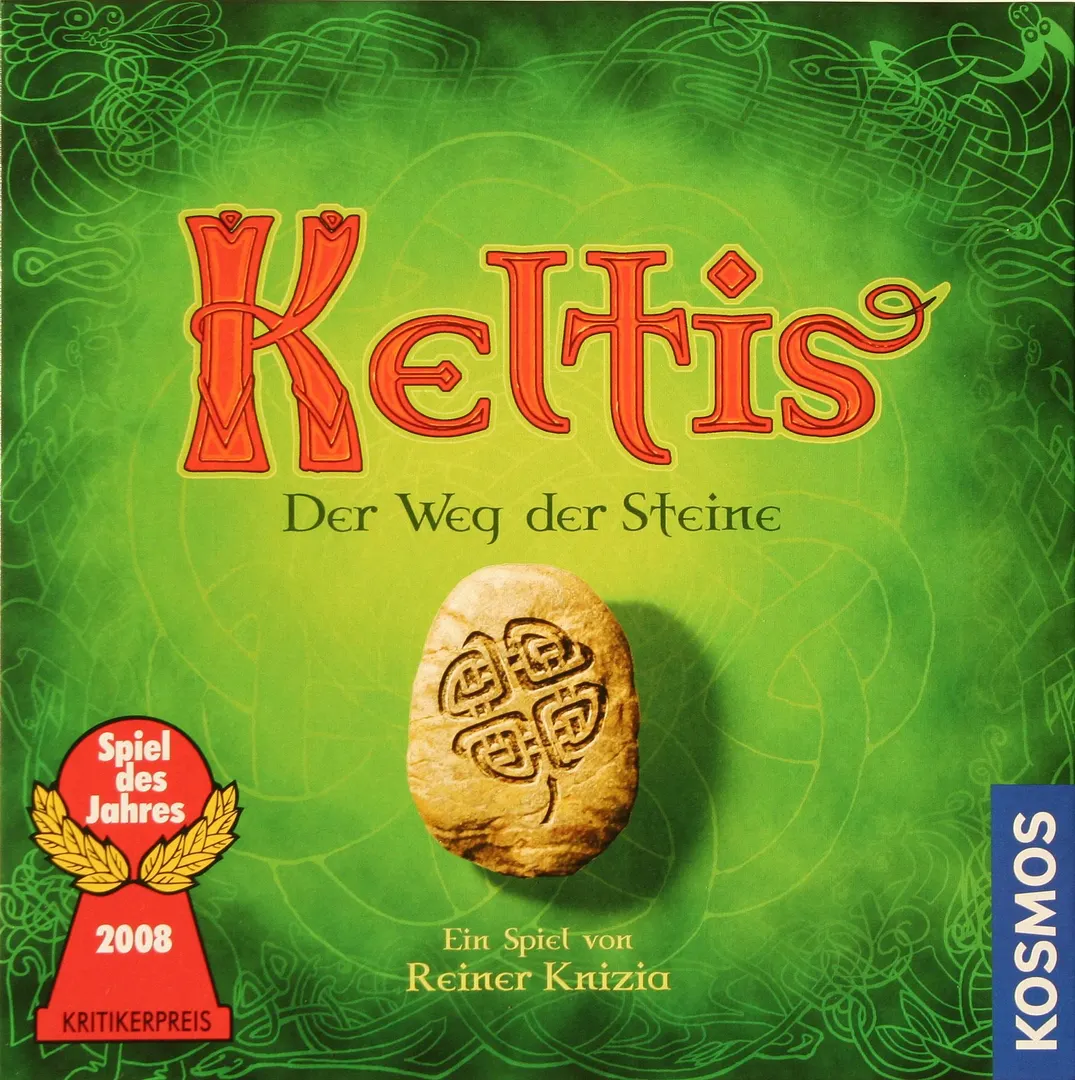
- Posizione BGG
- BGG #2362
- Valutazione BGG
- 6,4
Keltis
- 2–4 giocatori
- 30 min
- Complessità 1,6/5
- 2008
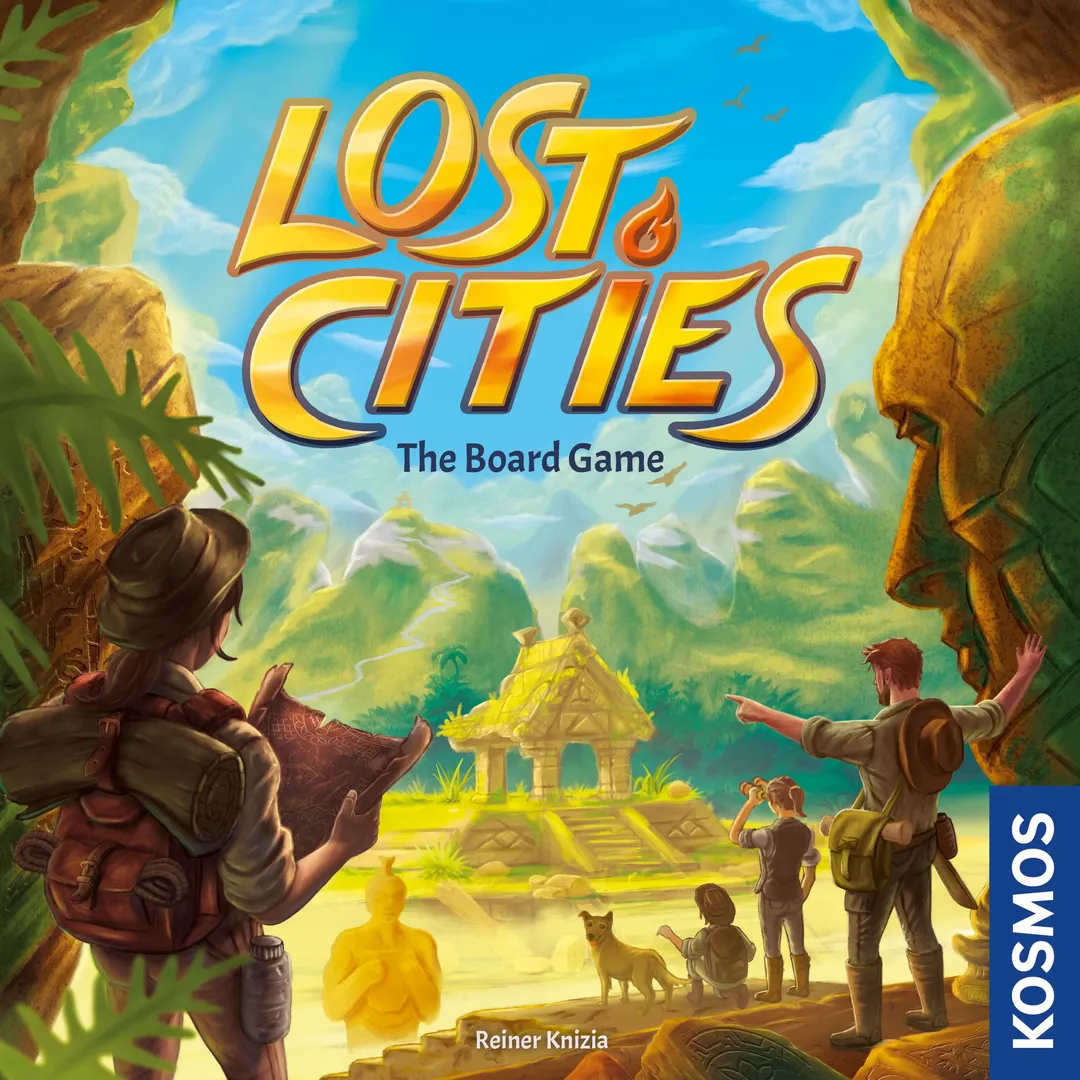
2008
Aiuto con le regole di Lost Cities: The Board Game
Spiegazioni chiare di turni, effetti delle carte e situazioni dubbie, con riferimenti alle fonti ufficiali e cronologia delle domande salvata.
Per 2 giocatori
Cosa vuoi sapere?
Le risposte vengono dal regolamento ufficiale, con la pagina da verificare.
Lost Cities: The Board Game è un gioco da tavolo pubblicato nel 2008 per 2–4 giocatori, con partite da 30 a 60 minuti e dai 8 anni in su. È stato ideato da Reiner Knizia e le sue meccaniche principali sono Hand Management, Set Collection e Track Movement.

In inglese
Redevelopment of Lost Cities, first published with altered rules as Keltis, and then published by Rio Grande as Lost Cities: The Board Game with Knizia's original rules and theme. Reiner Knizia: "The original version that we developed is exactly what Jay [Tummelson, owner of Rio Grande Games] has now published [LCBG]" Primary differences between Lost Cities: The Board Game and Keltis: 1. In LCBG you play 3 rounds, scoring at the end of all 3 for the monuments you collect. (Normal scoring occurs each round.) In Keltis, you only play 1 round, and score everything each round. This is not just a rule difference, as the scoring is different for the monuments/stones based on the number collected. 2. In Keltis, you may play your cards in either order, descending, high to low, or ascending, low to high. In LCBG, you must play in ascending order. Note: the rules for LCBG have the Keltis rules as variants, and have the board elements necessary for #1 above. Keltis does not have the rules nor board elements to play LCBG. Kosmos (Keltis publisher) changed the card play to ascending and descending order to lower the luck level and add balance to the game. Kosmos changed the theme to fit in with other Kosmos abstract game series. There are more differences, which are non-substantive. Lost Cities: The Board Game has a different-looking board, tiles and figures (meeples) to connect with its predecessor. Card-play in descending order is an optional variant in this edition. The numbers have been multiplied by 5 to strengthen the relation to the card game, and instead of a scoring track you collect your points as golden coins. From the Keltis entry: Players play cards to move their playing pieces along stone paths. There are cards with 5 different colors/symbols, each corresponding to one path; in addition, each card shows a number (0-10, twice each). In each color, each player can play his cards either ascending or descending. Like Lost Cities, it's better to concentrate on a few paths, since the last spaces grants high points, but ending early gives negative ones. The player in turn plays one card (out of a hand of 8), or discards one. He moves the corresponding playing piece on the path. Many of the spaces have a token that grants some bonus - either direct points (counted on the scoring track), an extra move on a path, or wish stones that are needed at game end to avoid negative points. The game ends when a total of 5 playing pieces have reached the 7th space (or more) on their paths. Now, scoring happens: Pieces which only moved 1-3 steps give negative points (-4, -3, -2). Pieces with 4+ steps grant points (1, 2, 3, 6, 7, 10). One piece of each player is higher and scores double. Fewer than two wish stones grants negative points (-3 / -4) 5+ wish stones yield a bonus of 10 points. All this is added to the points scored during the game
Secondo il catalogo, Lost Cities: The Board Game supporta da 2 a 4 giocatori. L’intervallo corrisponde al numero di giocatori indicato dall’editore, quindi il gioco si può preparare per qualsiasi gruppo entro quei limiti. Preparazione, alcune regole e punteggio possono comunque variare in base al numero di giocatori: controlla la configurazione esatta nel regolamento della tua edizione.
La durata indicata per Lost Cities: The Board Game è di 30–60 minuti, la stima dell’editore per una partita completa. La durata effettiva dipende dal gruppo, dal numero di giocatori e dalla conoscenza delle regole: le prime partite durano di più, i gruppi esperti finiscono prima. Preparazione e spiegazione delle regole non sono comprese nella stima.
Il catalogo indica Lost Cities: The Board Game dai 8 anni in su. È la raccomandazione dell’editore e tiene conto della lettura richiesta, della complessità delle regole e dei componenti piccoli, non solo del tema. I più giovani spesso possono giocare con l’aiuto di un adulto: controlla l’età consigliata sulla tua edizione e l’esperienza del tuo gruppo con i giochi da tavolo.
Lost Cities: The Board Game ha un punteggio di complessità di 1,7 su 5 secondo i giocatori di BoardGameGeek, il che lo rende un gioco leggero. Il punteggio riflette quanta conoscenza delle regole, pianificazione e decisioni richiede una partita tipica. I giochi impegnativi richiedono una prima spiegazione più lunga, quindi conviene usare una guida di preparazione.
Lost Cities: The Board Game appartiene a queste categorie: Exploration e Adventure. Le sue meccaniche principali sono Hand Management, Set Collection e Track Movement. Le categorie descrivono il tema e l’ambientazione di un gioco, mentre le meccaniche descrivono ciò che i giocatori fanno davvero nel proprio turno. Ogni meccanica porta a una pagina del catalogo con giochi simili.
Gli autori accreditati di Lost Cities: The Board Game sono: Reiner Knizia. Questi crediti provengono dai dati pubblicati del gioco e indicano le persone responsabili della sua progettazione, non gli illustratori o gli editori. Le pagine degli autori su MeepleRules raccolgono altri titoli degli stessi autori, utili quando un gioco ti piace e ne cerchi di simili.
Il catalogo classifica Lost Cities: The Board Game come gioco base. Si gioca da solo con i componenti presenti nella scatola e non richiede altri titoli. Le espansioni, se esistono, aggiungono nuovo contenuto o nuove regole e sono elencate separatamente nel catalogo con un collegamento a questo gioco base.