
- Posizione BGG
- BGG #10.665
- Valutazione BGG
- 7,3
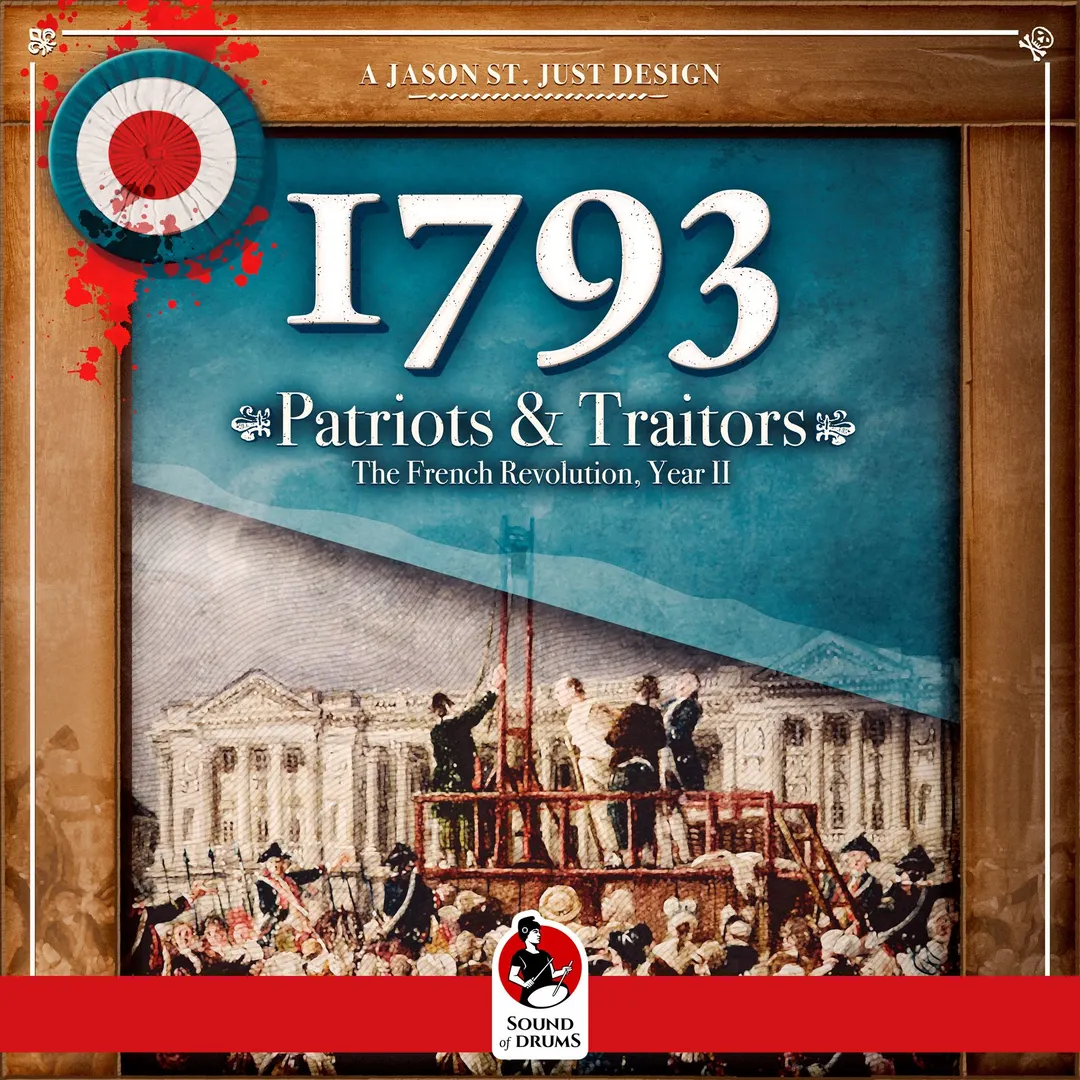
1793: Patriots & Traitors
- 1–5 giocatori
- 30–120 min
- Complessità 3,1/5
- 2024
2017
Aiuto con le regole di Lost in Time
Spiegazioni chiare di turni, effetti delle carte e situazioni dubbie, con riferimenti alle fonti ufficiali e cronologia delle domande salvata.
Per 1 giocatore
Cosa vuoi sapere?
Le risposte vengono dal regolamento ufficiale, con la pagina da verificare.
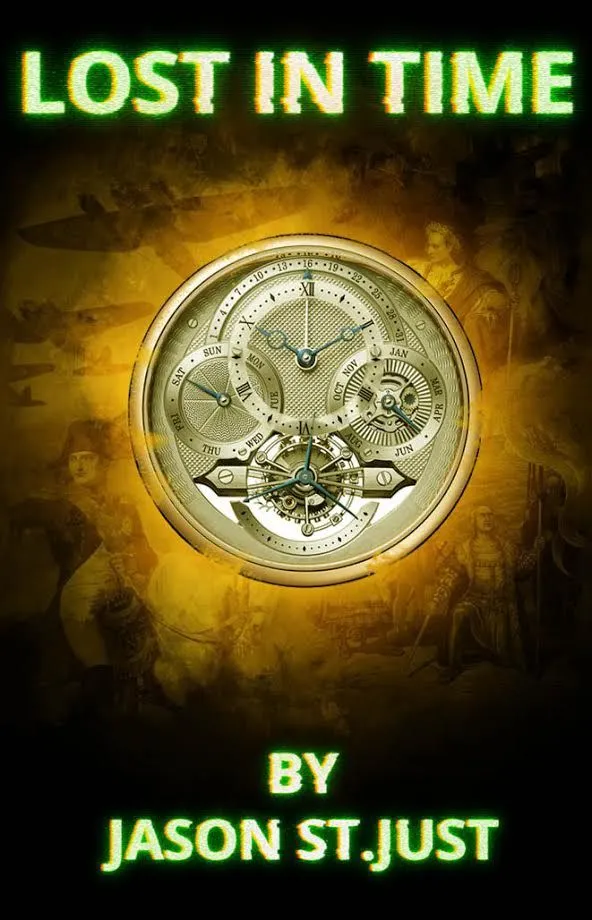
Lost in Time è un gioco da tavolo pubblicato nel 2017 per 1–4 giocatori, con partite da 20 a 45 minuti e dai 10 anni in su. È stato ideato da Jason St.Just e le sue meccaniche principali sono Hand Management, Cooperative Game e Pattern Building.






In inglese
Lost in Time is a thematic card game centering around time travel with three sets of rules that allow for different ways of play. The game consists of 88 cards with beautiful historical illustrations. No, it is not just a question of placing cards on a timeline! There's much more to it than that... The first version of the game is light and easy, specifically designed for families. It's the year 2031: you are one of the very first time travelers and you have been sent to the past. However, your time machine does not work as it was supposed to (isn't that typical!) and you are left stranded in the past. Now you have to get back to the year 2031. Each game round the players must jump into time but the problem is: not everybody will want to travel to the future like you do, some will want to jump to the past. And if you can't place anything on your timeline, you run the risk of being absorbed by the time-space continuum. It's a tug-of-war in time & space. Duration of play: 20 to 30 minutes. The second version, The Time Bandits, is heavier and semi-cooperative. In this game lets the players choose between being the secret agents or the thieves. The thieves, sent to the past by a criminal organization, must collect four historical artifacts before the eighth card has been played. The agents have been hired & vigourously trained by the government to hunt the criminals down before they end up changing the past and thus also automatically...the future. All players receive a deck of 18 cards which represent their time machine's battery allowing them to conjure up a wormhole in order to jump into time. The players must keep a close eye on the level of their battery: if it's empty, they will not be able to jump in time anymore and they will end up Lost in Time. Both the agents and thieves can make use of famous historical characters (Elizabeth I, Napoleon or Lenin...) to help them stop their rivals! Duration of play: 30 to 40 minutes. The third version is a solo variant. Before traveling to the past, you must decide how many batteries (deck of cards) to bring along. Every leap in time costs an amount of energy and even moreso if you end up in a period of disaster. When your batteries are empty, you are stuck in time, so you must be economical with your available energy! Will you jump in time immediately and save your battery, or will you press your luck and spend more energy in order to find a data chip that will help your travel through time more easily? Duration of play: 15 to 20 minutes. Can you survive the past?
Secondo il catalogo, Lost in Time supporta da 1 a 4 giocatori. L’intervallo corrisponde al numero di giocatori indicato dall’editore, quindi il gioco si può preparare per qualsiasi gruppo entro quei limiti. Preparazione, alcune regole e punteggio possono comunque variare in base al numero di giocatori: controlla la configurazione esatta nel regolamento della tua edizione.
La durata indicata per Lost in Time è di 20–45 minuti, la stima dell’editore per una partita completa. La durata effettiva dipende dal gruppo, dal numero di giocatori e dalla conoscenza delle regole: le prime partite durano di più, i gruppi esperti finiscono prima. Preparazione e spiegazione delle regole non sono comprese nella stima.
Il catalogo indica Lost in Time dai 10 anni in su. È la raccomandazione dell’editore e tiene conto della lettura richiesta, della complessità delle regole e dei componenti piccoli, non solo del tema. I più giovani spesso possono giocare con l’aiuto di un adulto: controlla l’età consigliata sulla tua edizione e l’esperienza del tuo gruppo con i giochi da tavolo.
Lost in Time ha un punteggio di complessità di 2,0 su 5 secondo i giocatori di BoardGameGeek, il che lo rende un gioco piuttosto leggero. Il punteggio riflette quanta conoscenza delle regole, pianificazione e decisioni richiede una partita tipica. I giochi impegnativi richiedono una prima spiegazione più lunga, quindi conviene usare una guida di preparazione.
Lost in Time appartiene a queste categorie: Card Game, Napoleonic e Medieval. Le sue meccaniche principali sono Hand Management, Cooperative Game e Pattern Building. Le categorie descrivono il tema e l’ambientazione di un gioco, mentre le meccaniche descrivono ciò che i giocatori fanno davvero nel proprio turno. Ogni meccanica porta a una pagina del catalogo con giochi simili.
Gli autori accreditati di Lost in Time sono: Jason St.Just. Questi crediti provengono dai dati pubblicati del gioco e indicano le persone responsabili della sua progettazione, non gli illustratori o gli editori. Le pagine degli autori su MeepleRules raccolgono altri titoli degli stessi autori, utili quando un gioco ti piace e ne cerchi di simili.
Il catalogo classifica Lost in Time come gioco base. Si gioca da solo con i componenti presenti nella scatola e non richiede altri titoli. Le espansioni, se esistono, aggiungono nuovo contenuto o nuove regole e sono elencate separatamente nel catalogo con un collegamento a questo gioco base.