
- Posizione BGG
- BGG #107
- Valutazione BGG
- 7,8
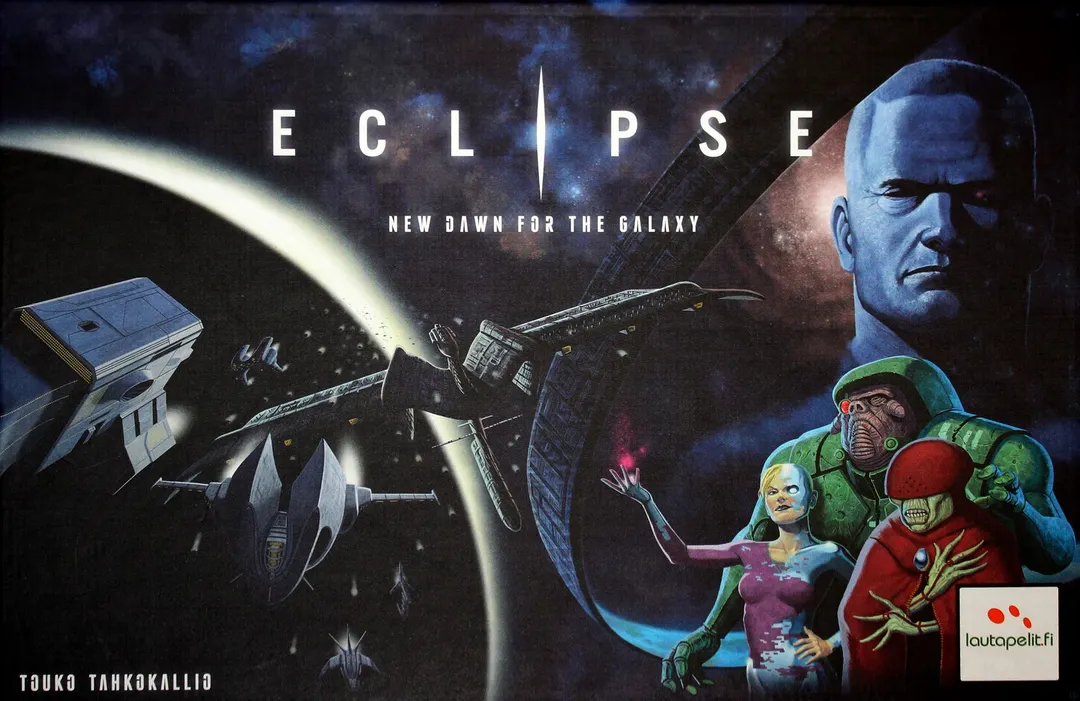
Eclipse: New Dawn for the Galaxy
- 2–6 giocatori
- 60–180 min
- Complessità 3,7/5
- 2011
2013
Aiuto con le regole di Mauna Kea
Spiegazioni chiare di turni, effetti delle carte e situazioni dubbie, con riferimenti alle fonti ufficiali e cronologia delle domande salvata.
Cosa vuoi sapere?
Le risposte vengono dal regolamento ufficiale, con la pagina da verificare.
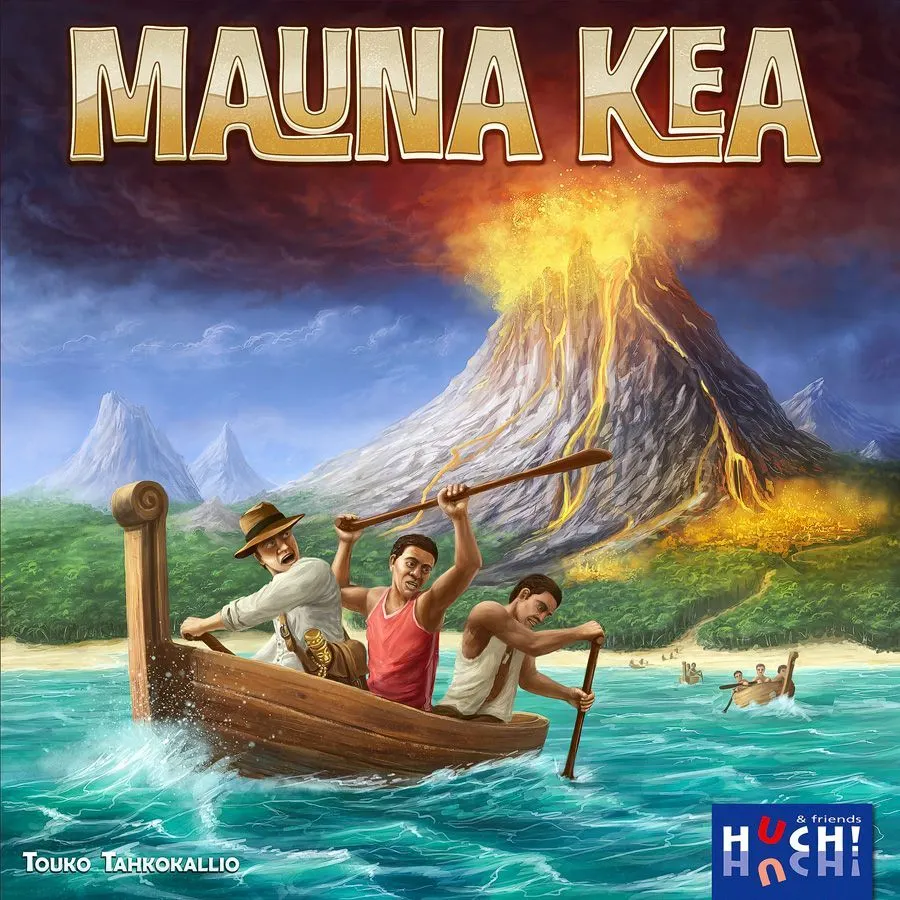
Mauna Kea è un gioco da tavolo pubblicato nel 2013 per 2–4 giocatori, con partite da 45 minuti e dai 10 anni in su. È stato ideato da Touko Tahkokallio e le sue meccaniche principali sono Hand Management, Tile Placement e Grid Movement.





In inglese
Help! Lava is coming!! In Mauna Kea, you're exploring a previously unknown volcanic island in the South Pacific with your research team when suddenly there's a terrible roar: The volcano has come to life! Now, you must find as many artifacts as possible and bring them, along with your researchers, to the rescue boats at the coast. If you plan your ways cleverly and have a little bit of luck, you'll survive the volcanic eruption as the rescuing hero! Each player starts the game with a team of 3-5 researchers (depending on the number of players) and a set of randomly selected terrain tiles that collectively have at least five movement points; the more jungle spaces on a tile, the more movement points it provides. On a player's turn, he must play all of his tiles in any order he wants, either placing them on the game board to expand the terrain on which players can move or spending the movement points to move his researchers to orthogonally adjacent spaces (1 point to enter jungle, 2 points to enter water, 16,000 points to enter mountain — actually, you can't enter a mountain space). If his researcher enters a space with an artifact, he then drags that artifact with him as he moves. If his researcher reaches a boat, he fills as many seats as possible with artifacts, then hits the water. Sorry, chumps! At the end of his turn, he draws new tiles — and if he pulls a lava tile from the bag, he places it on the board immediately. Lava flows away from the central cone, with each tile indicating the side of the volcano from which it flows. If lava hits established terrain, it covers that terrain; if it hits researchers and artifacts, it covers them, too. Players continue taking turns until someone has no researchers left on the island, whether due to them leaving the island or donning a lava blanket. Everyone else takes one final turn, then players score, collecting 3 points per saved researcher, 1-3 points for each artifact, and -1 point for each empty space on the boats they used. The player with the highest score wins. In the advanced game, players don't return tiles to the bag when they use them for movement points. Instead they start the game with four action or task cards in hand. They can play as many action cards as they wish on a turn to help their researchers cross mountains, swim faster, or helicopter to safety, but they have only four for the entire game. The game now ends when a player has no researchers or no tile remain in the bag. In addition to their other points, players now score for completed task cards, earning points for specific combinations of artifacts or for taking a certain boat. Again, the player with the highest score wins.
Secondo il catalogo, Mauna Kea supporta da 2 a 4 giocatori. L’intervallo corrisponde al numero di giocatori indicato dall’editore, quindi il gioco si può preparare per qualsiasi gruppo entro quei limiti. Preparazione, alcune regole e punteggio possono comunque variare in base al numero di giocatori: controlla la configurazione esatta nel regolamento della tua edizione.
La durata indicata per Mauna Kea è di 45 minuti, la stima dell’editore per una partita completa. La durata effettiva dipende dal gruppo, dal numero di giocatori e dalla conoscenza delle regole: le prime partite durano di più, i gruppi esperti finiscono prima. Preparazione e spiegazione delle regole non sono comprese nella stima.
Il catalogo indica Mauna Kea dai 10 anni in su. È la raccomandazione dell’editore e tiene conto della lettura richiesta, della complessità delle regole e dei componenti piccoli, non solo del tema. I più giovani spesso possono giocare con l’aiuto di un adulto: controlla l’età consigliata sulla tua edizione e l’esperienza del tuo gruppo con i giochi da tavolo.
Mauna Kea ha un punteggio di complessità di 1,6 su 5 secondo i giocatori di BoardGameGeek, il che lo rende un gioco leggero. Il punteggio riflette quanta conoscenza delle regole, pianificazione e decisioni richiede una partita tipica. I giochi impegnativi richiedono una prima spiegazione più lunga, quindi conviene usare una guida di preparazione.
Mauna Kea appartiene a queste categorie: Adventure. Le sue meccaniche principali sono Hand Management, Tile Placement e Grid Movement. Le categorie descrivono il tema e l’ambientazione di un gioco, mentre le meccaniche descrivono ciò che i giocatori fanno davvero nel proprio turno. Ogni meccanica porta a una pagina del catalogo con giochi simili.
Gli autori accreditati di Mauna Kea sono: Touko Tahkokallio. Questi crediti provengono dai dati pubblicati del gioco e indicano le persone responsabili della sua progettazione, non gli illustratori o gli editori. Le pagine degli autori su MeepleRules raccolgono altri titoli degli stessi autori, utili quando un gioco ti piace e ne cerchi di simili.
Il catalogo classifica Mauna Kea come gioco base. Si gioca da solo con i componenti presenti nella scatola e non richiede altri titoli. Le espansioni, se esistono, aggiungono nuovo contenuto o nuove regole e sono elencate separatamente nel catalogo con un collegamento a questo gioco base.